Category: Science & Tech
-
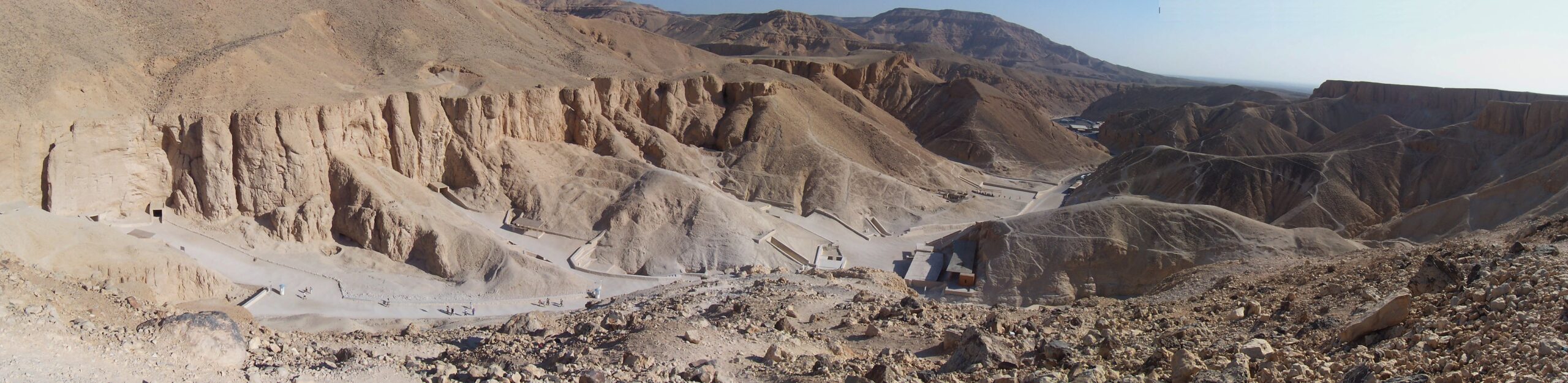
A total eclipse lasting over six minutes will cross Luxor and the Valley of the Kings in 2027. Why six minutes is close to the physical maximum, why the location matters as much as the duration, and the eye-safety warning worth hearing early.
-
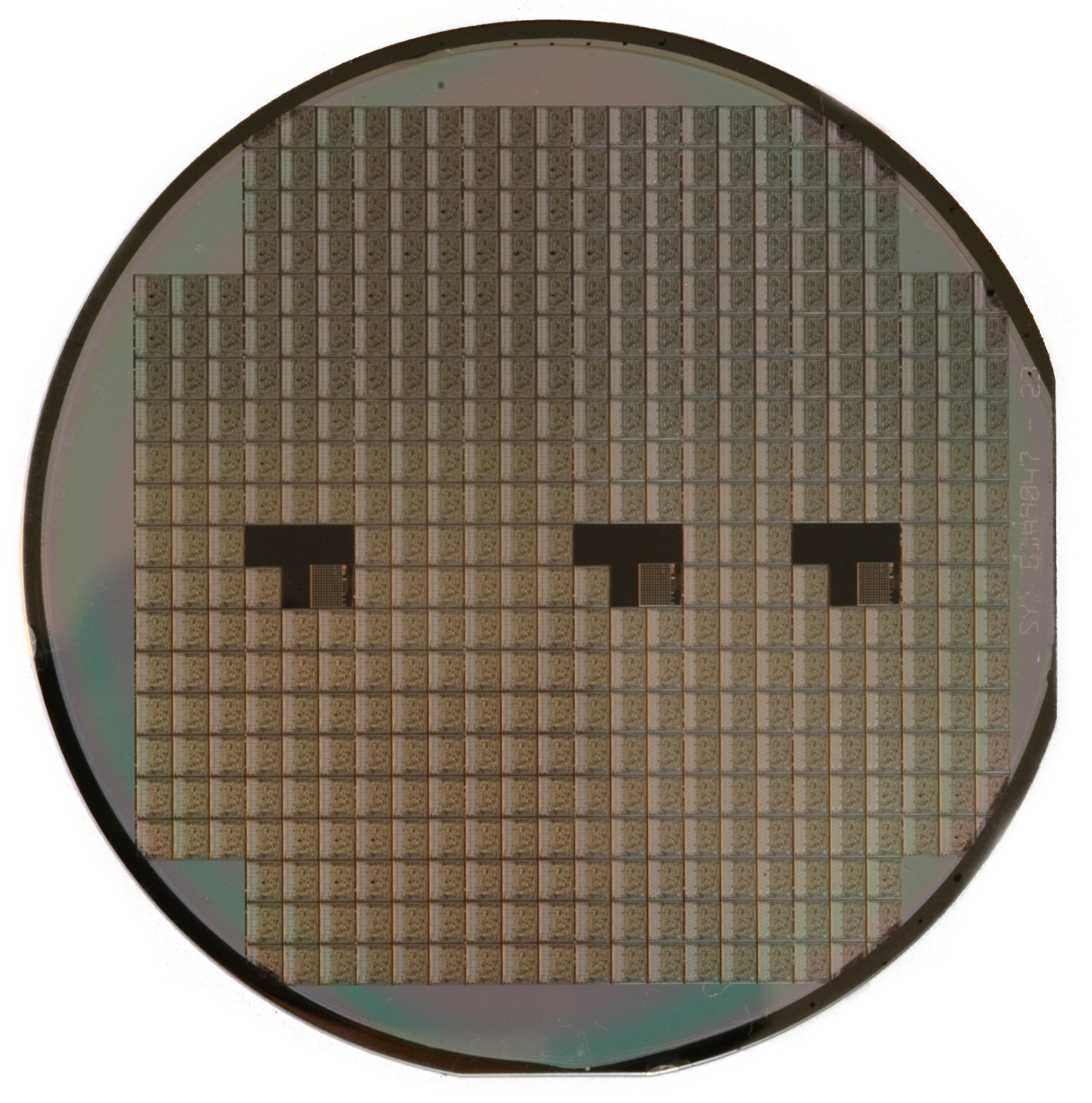
Caltech researchers report on-chip optical pathways that lose very little light at visible wavelengths, approaching optical fibre. What a waveguide is, why visible light is the hard case, and the specific hurdles between this and a product.
-
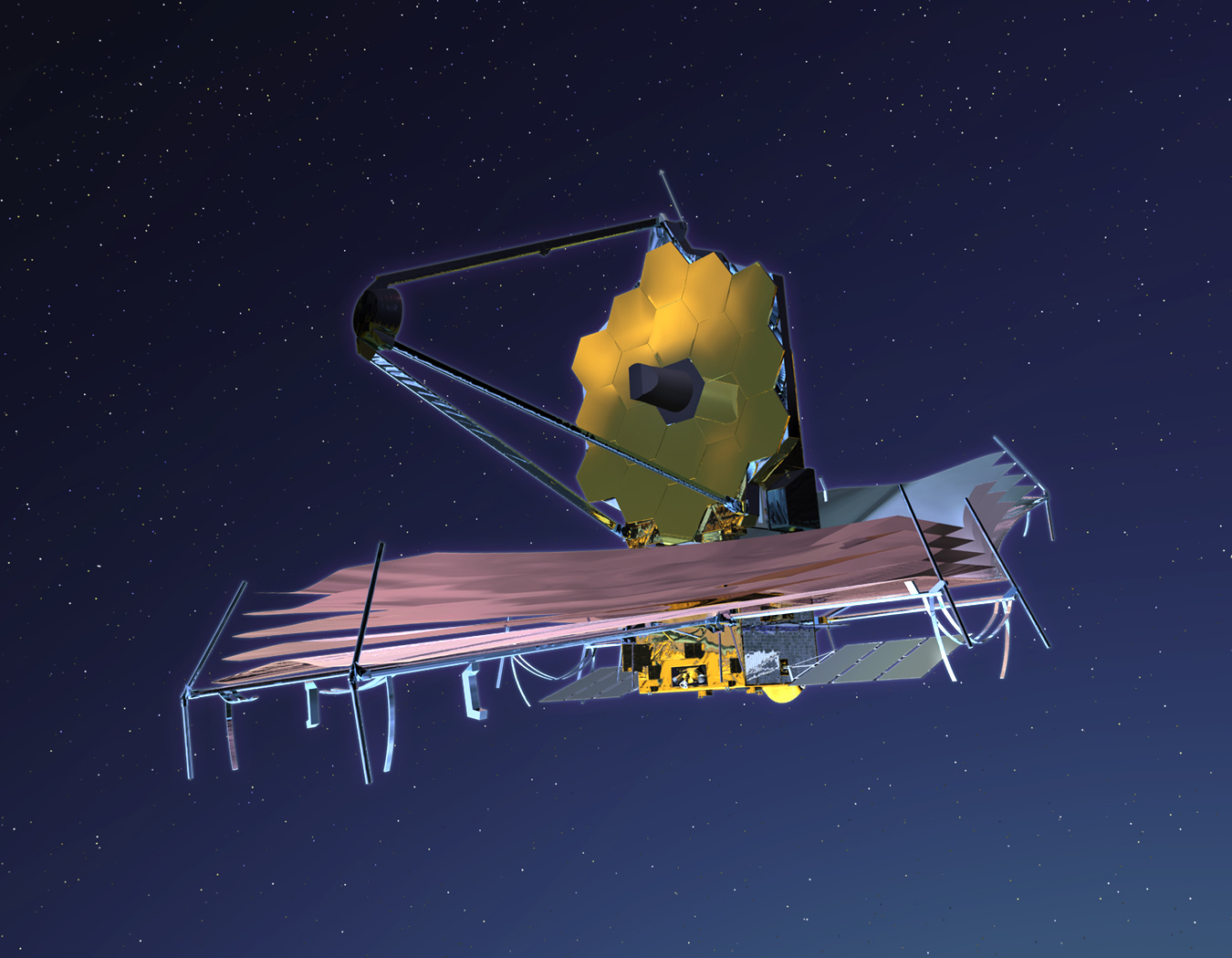
Webb has found an object from 660 million years after the Big Bang that looks like a star the size of the solar system but radiates 100 billion times more energy than one can. It may explain the “little red dots.”
-
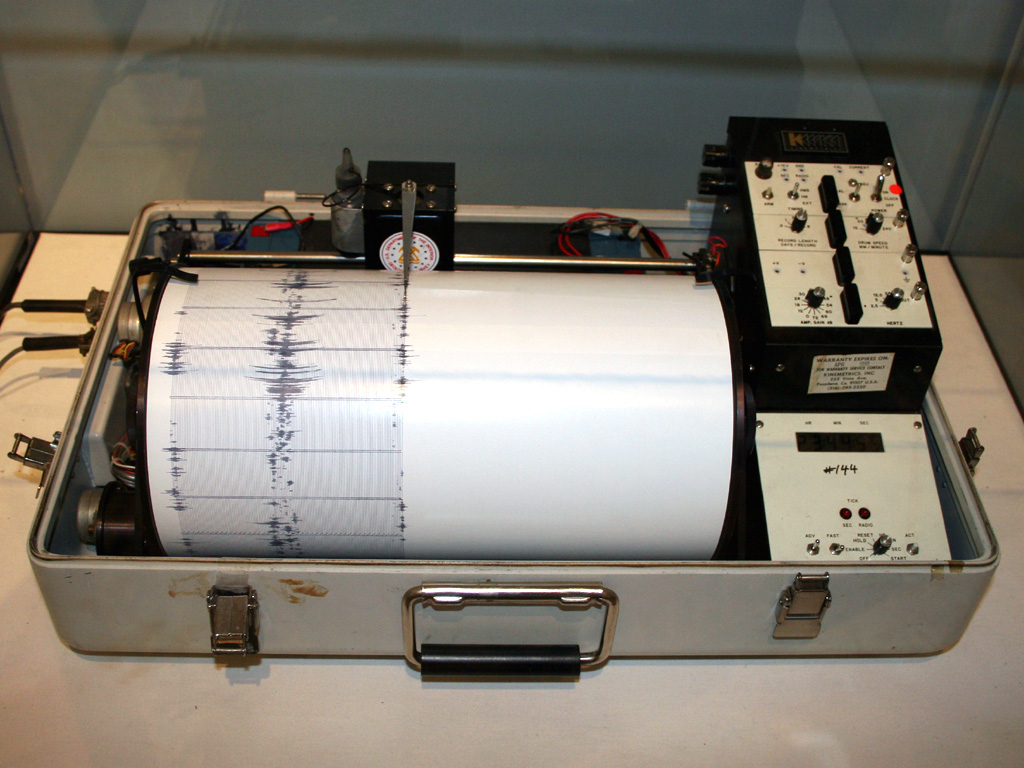
A tsunami warning was issued after Saturday’s Indonesian earthquake and lifted within the hour. Why that is the system working, why depth matters more than magnitude, and the advice that needs no technology.
-
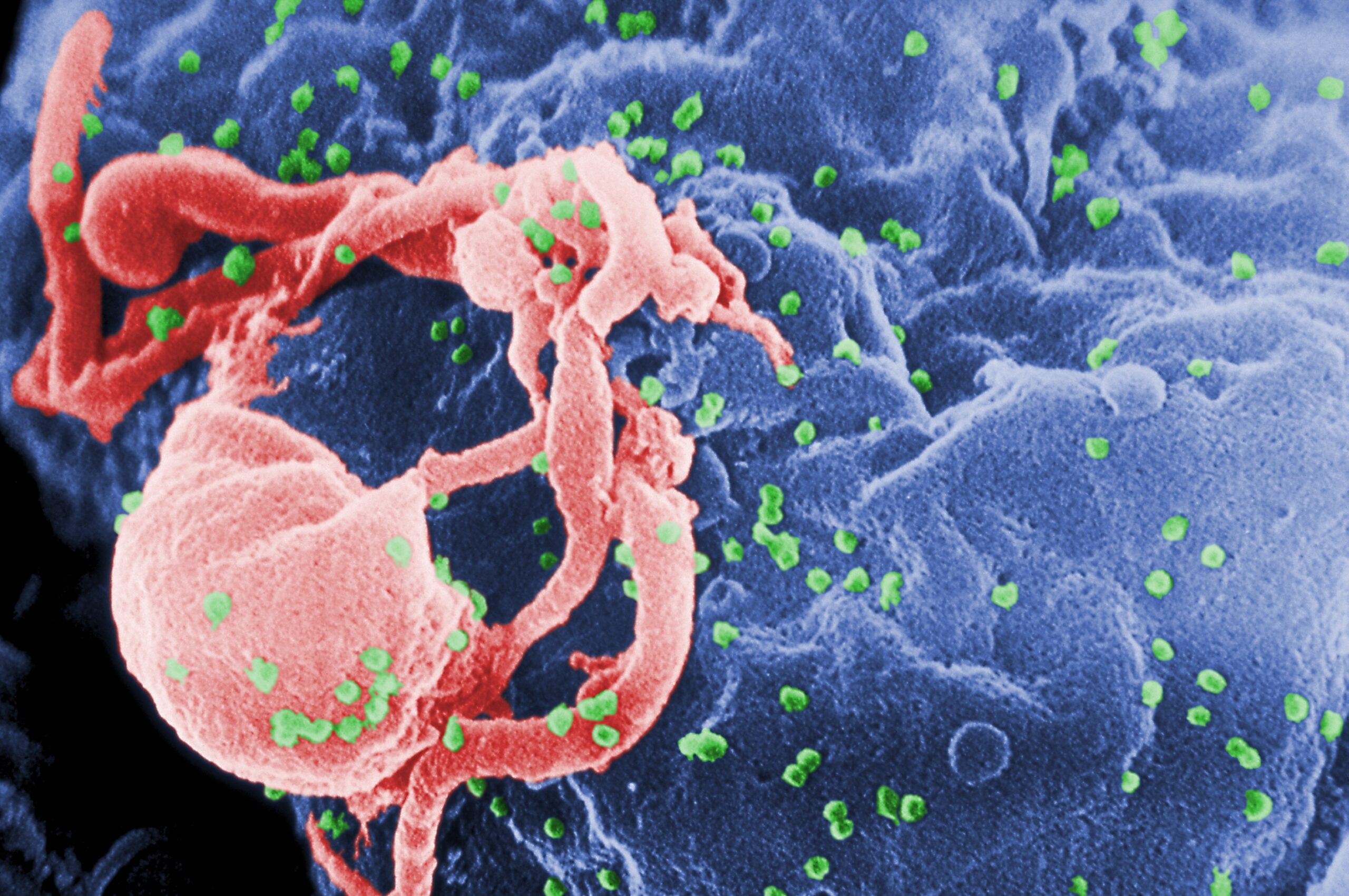
Eight infant macaques given a three-part regimen within 72 hours of infection showed no detectable HIV a year after treatment stopped. A striking result — and a long way from a treatment for babies.
-
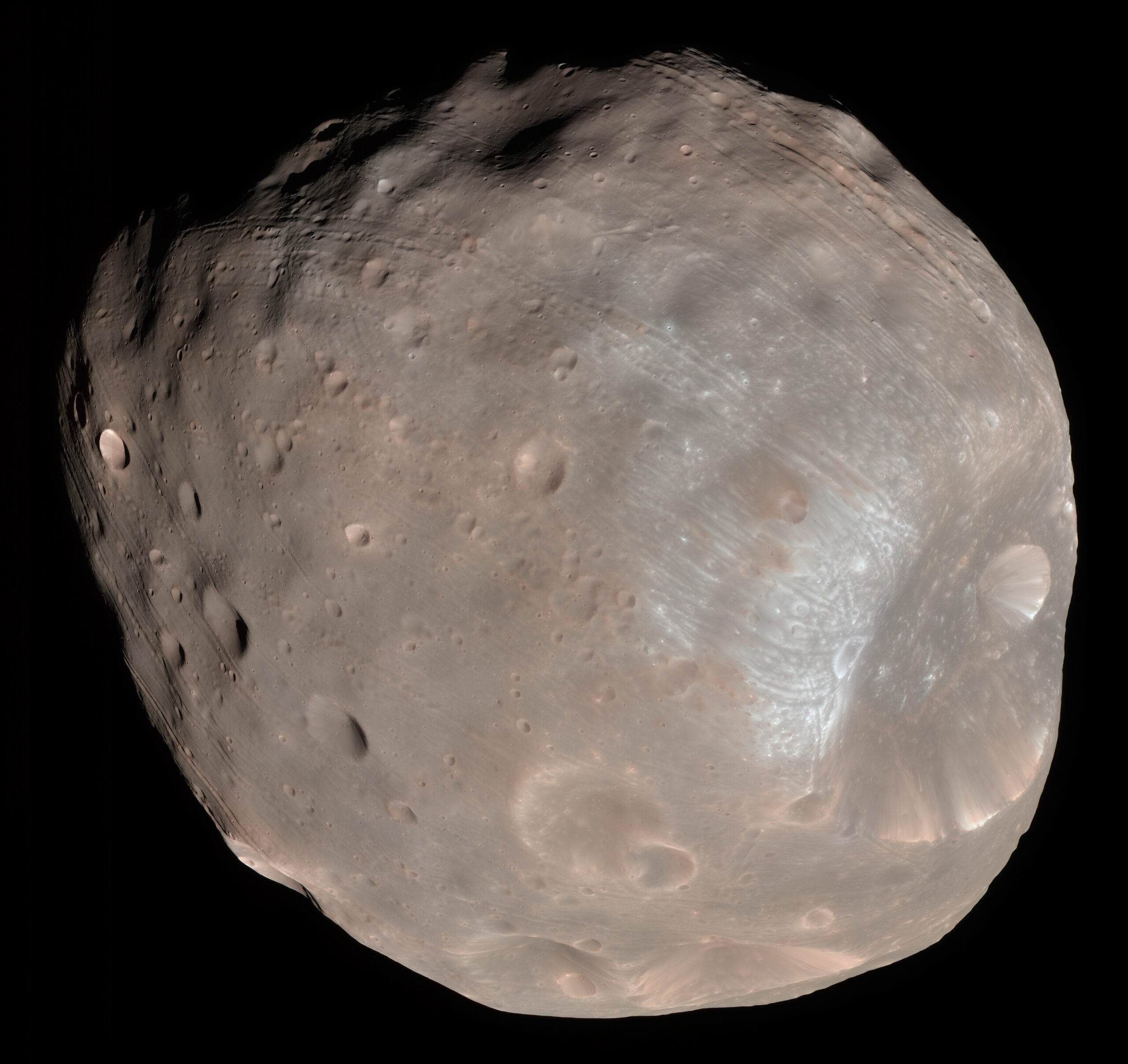
From Jezero Crater, NASA’s Perseverance rover watched Earth — a single point of light 195 million miles away — vanish behind the Martian moon Phobos. A first from the surface of Mars.
-

Recovering a fifth of spilled oil counts as a good result even in prepared, wealthy waters. What actually happens to oil at sea, the four tools available, and why enclosed warm seas in conflict zones are the worst case.
-
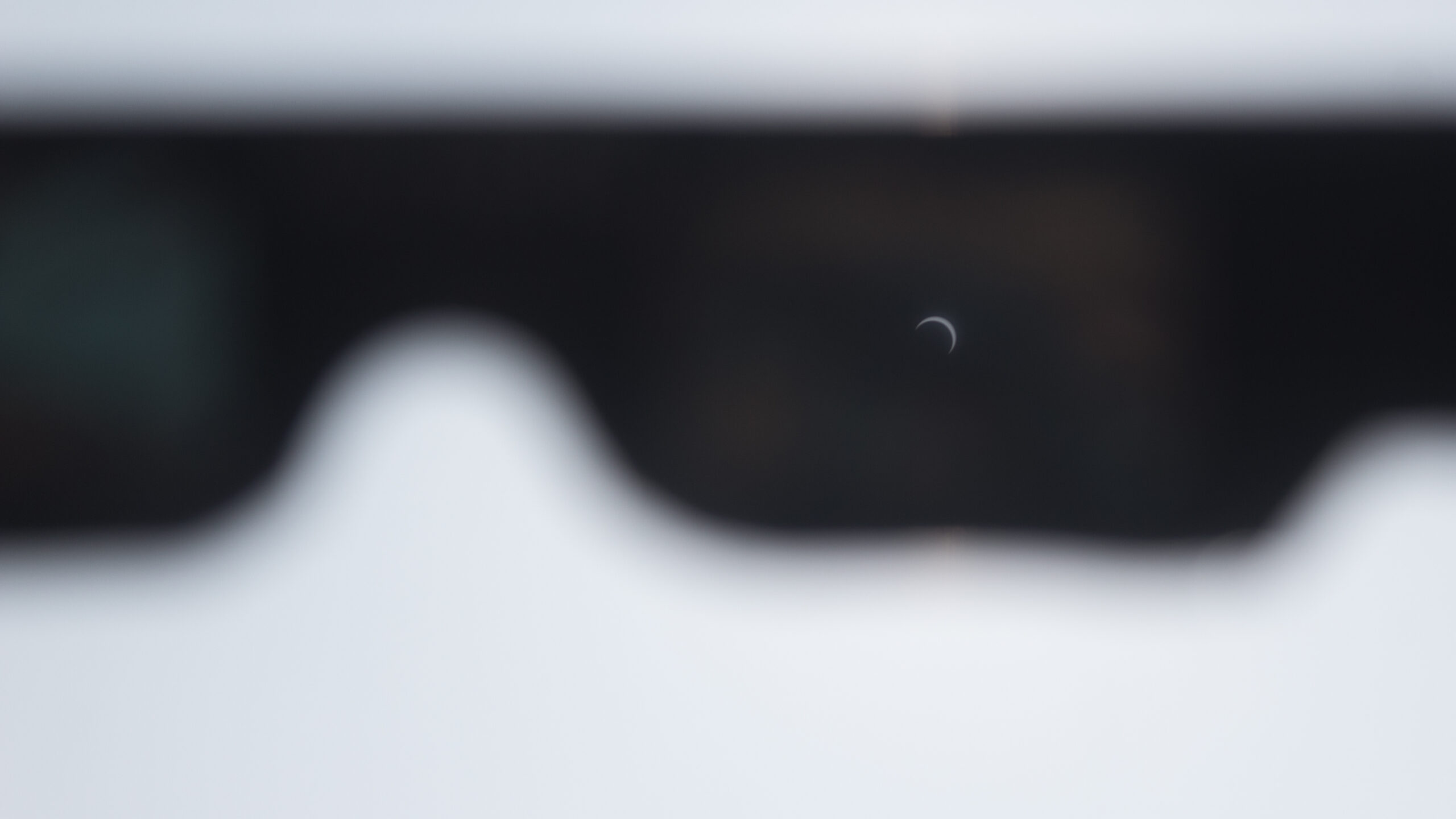
Millions were told Earth would lose gravity for seven seconds during the 12 August eclipse, killing 40 million people. It didn’t. How the “Project Anchor” hoax was built, and the three questions that would have caught it.
-

Deep brain stimulation eases Parkinson’s symptoms, but not equally for everyone and nobody could fully explain why. Researchers now report that the benefit tracks a specific brain network communicating at 20 to 35 hertz.
-
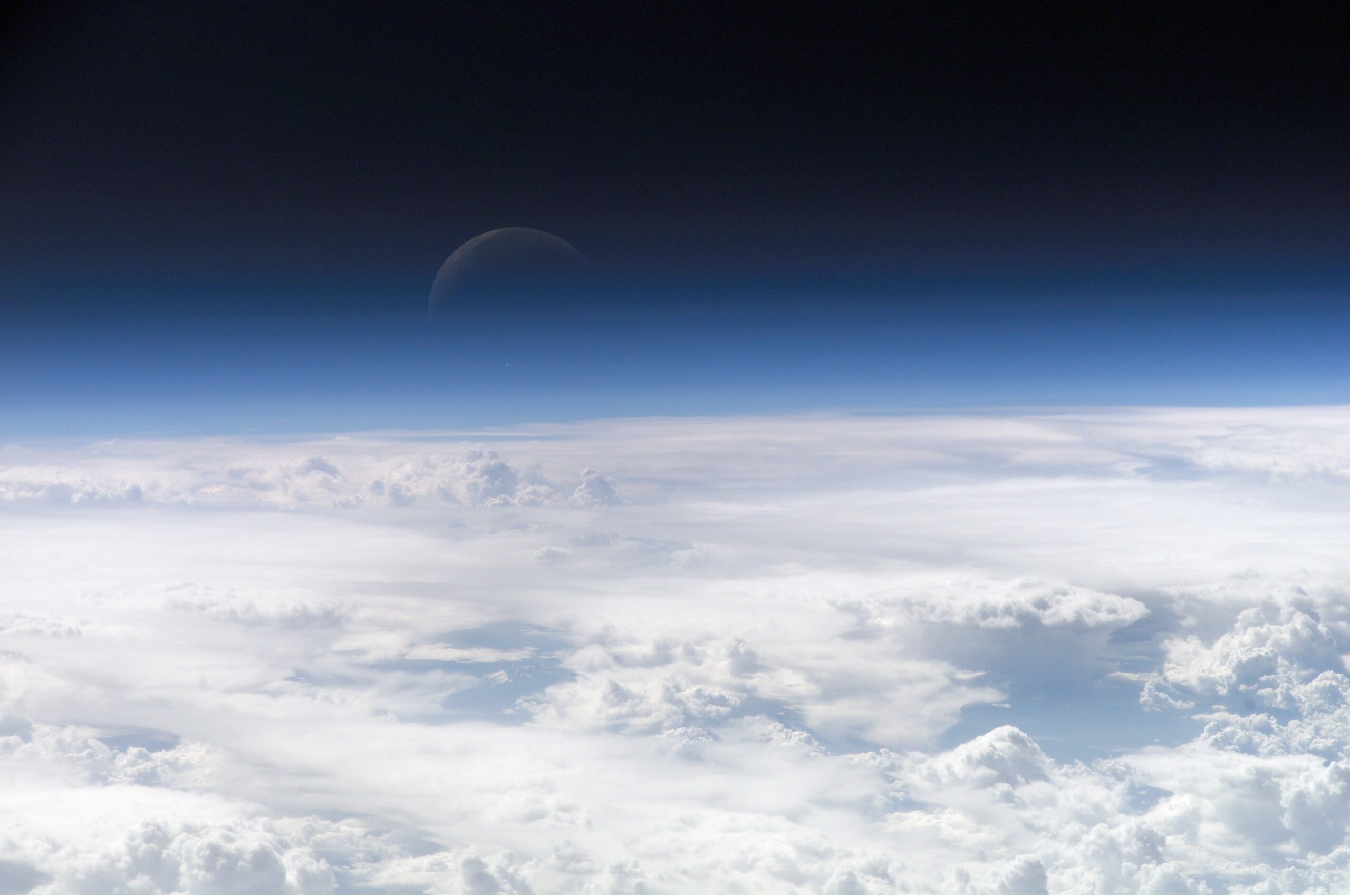
Kyoto University researchers used the published orbital data of 1,200 Starlink satellites to produce the first tomographic map of the thermosphere — turning a commercial internet constellation into a global atmospheric sensor network.