Category: Americas
-

A regional humanitarian update records 16,000 people affected by rains and flooding in Peru, a further 44,000 hit by ongoing rain, and 2 to 3 million expected to need food assistance in Honduras and Guatemala. None of it has drawn international coverage.
-
Representative Rashida Tlaib has called for the arrest of an Israeli soldier linked to the killing of Hind Rajab, the five-year-old girl whose death in Gaza in 2024 became internationally known. What a legislator can and cannot set in motion.
-
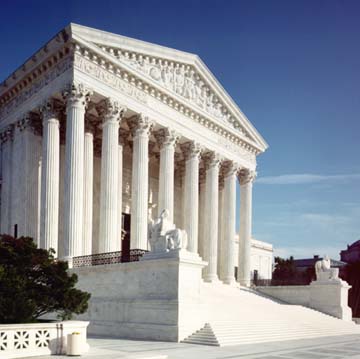
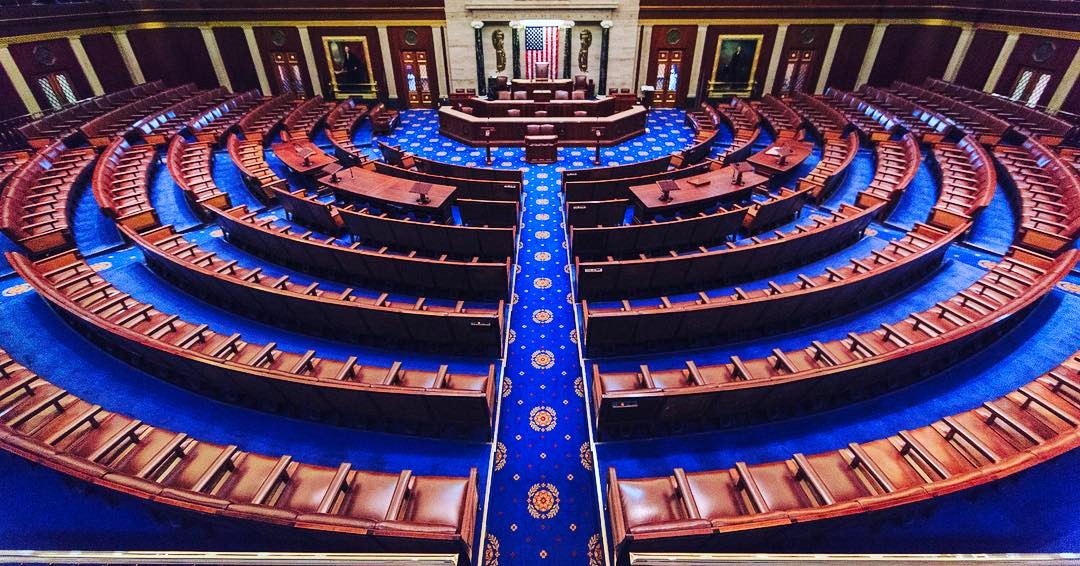
The Supreme Court has agreed to hear a case on the use of race in school admissions. Agreeing to hear a case is itself a decision, and what the court chooses to take up is often a better signal than how it eventually rules.
-

Three men have been sentenced to 158 years each in Ensenada for the 2024 killings of two Australian brothers and an American surfer. The number is arithmetic rather than theatre — and the conviction rate for homicide in Mexico is the context around it.
-

Leaked internal messages reportedly say Meta restricted Lula’s accounts during Brazil’s election while recommending Bolsonaro’s profile. Restriction and recommendation are different kinds of claim, and only one of them can be audited from outside.
-

The Norte Fire has engulfed homes and triggered evacuation orders around San Juan Capistrano in Orange County, driven by hot offshore winds. October is not an odd month for this in southern California — it is the worst one.
-

A federal judge has ruled the president cannot exclude news organisations from the White House because he dislikes their coverage — for now. There is no right to a seat; the restriction is on the reason for taking one away.
-

French and UK bond yields have hit decades-long highs and the US 30-year mortgage rate is at 7.28 per cent. Bond prices and yields move in opposite directions — and that relationship is how a sell-off in London reaches a mortgage payment in Ohio.
-

Trump has told European governments to release their emergency diesel reserves or risk losing American supply. Those reserves exist precisely so that an exporter cannot use fuel as leverage — which is what makes the demand unusual.
-
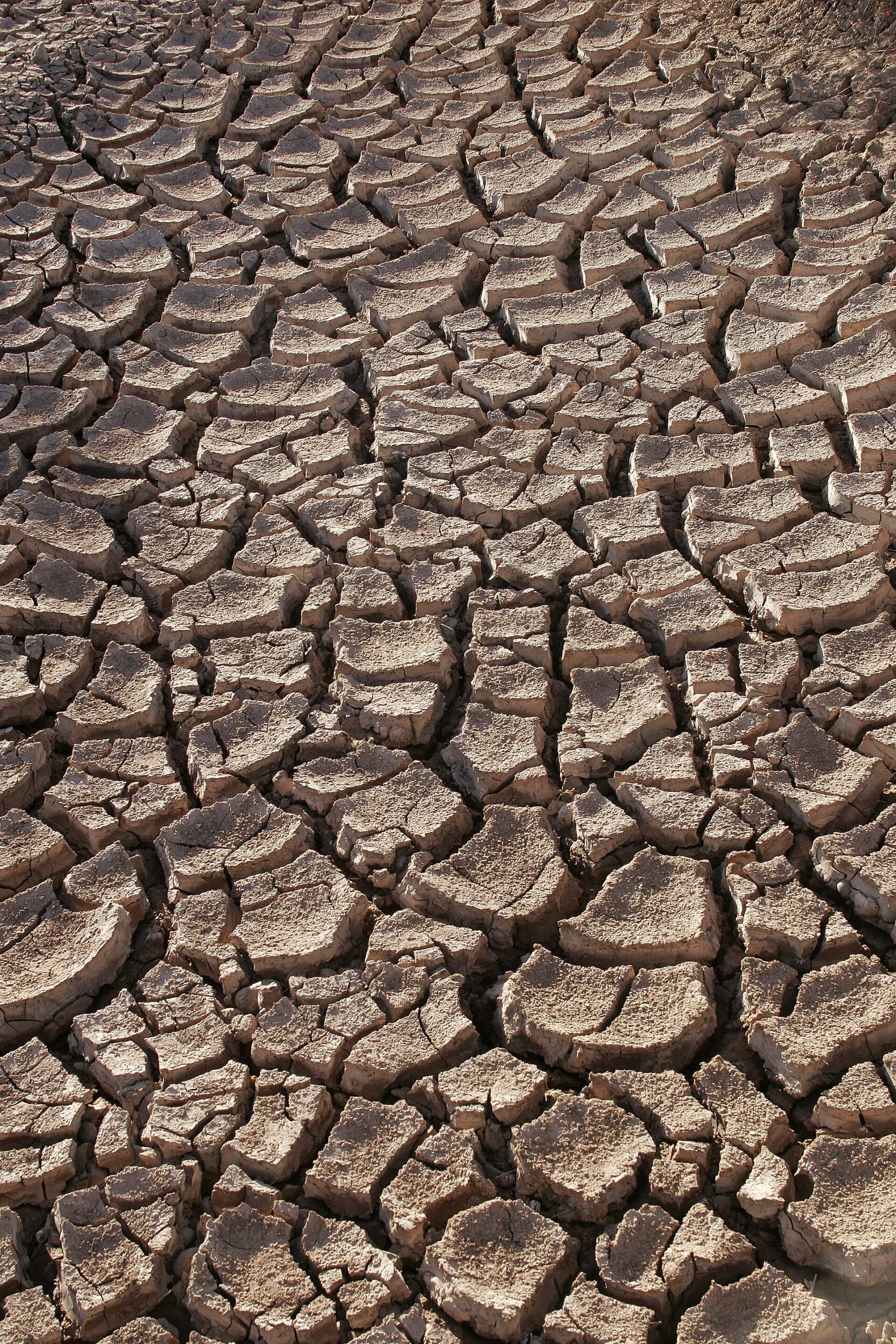
NOAA says the US just had its hottest summer in 132 years, beating the Dust Bowl summer of 1936 by 0.4°F. On a continent-wide seasonal average, that is a large margin — and the record warm nights matter more for survival than the record days.