Category: Science & Tech
-

A new quantum material works at room temperature, without the ultra-cold refrigeration quantum devices normally need. What that means, and how to read results like it.
-
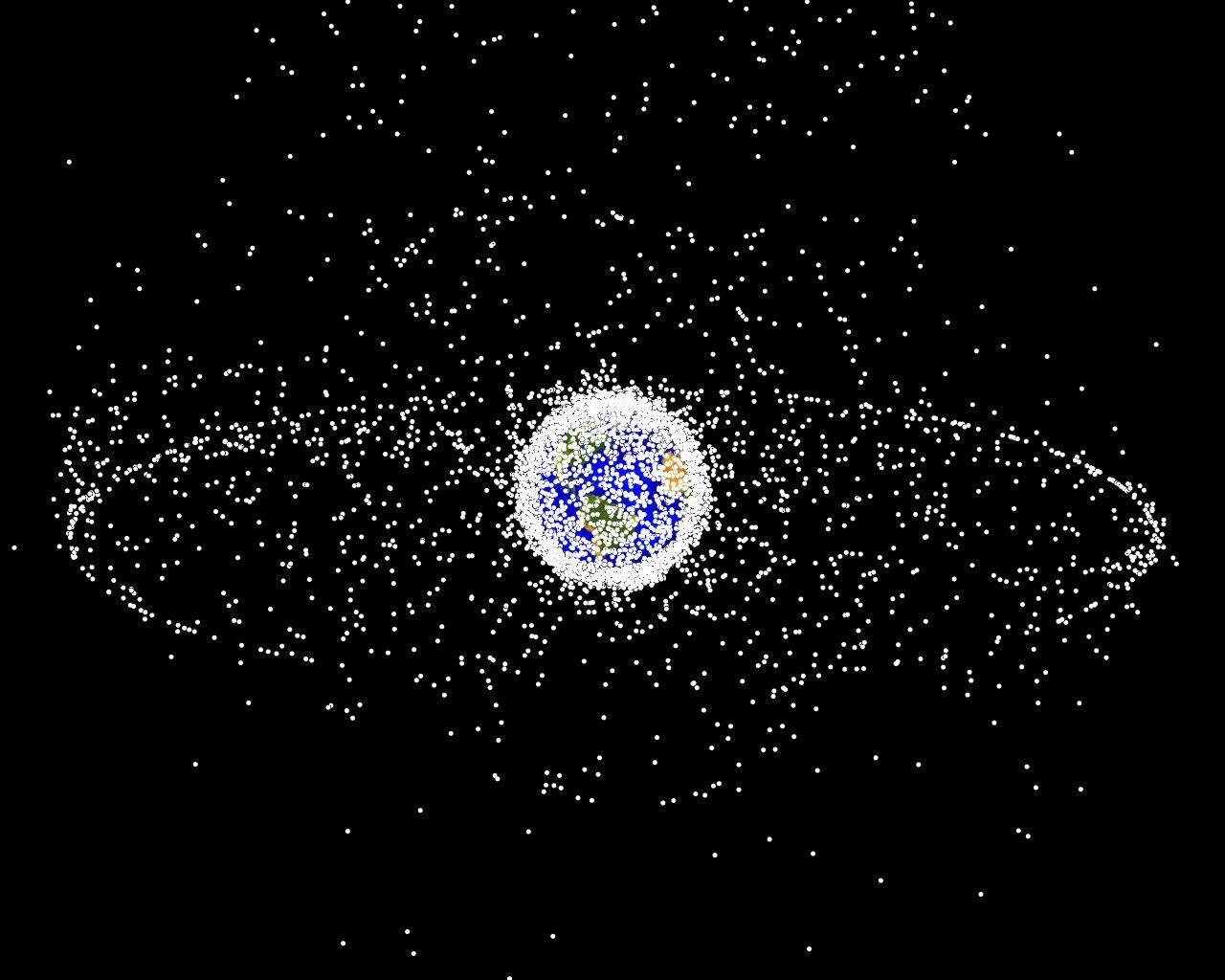
Scientists warn that planned satellite megaconstellations could set off a chain reaction of collisions in low orbit — one that would be very hard to reverse once it starts.
-

Earth’s molten iron core has reversed direction beneath the Pacific and scientists don’t know why. What the core is, how anyone can tell what it’s doing — and why this is fascinating rather than alarming.
-

Kuwait intercepted drones this week; Germany found one carrying explosives by a runway. How drone defence actually works — detection, interception, and the cost imbalance that makes it so hard.
-

Scotland has refused a licence for the centuries-old guga hunt on Sula Sgeir after bird flu deaths hit the gannet colony. The tradition, the disease, and how conservation decisions like this are made.
-

A candidate won a US primary campaigning against data centres. What data centres are, why residents fight them over power and water bills, and why the same argument is heading to Europe.
-

A drone carrying an explosive device was found beside a runway at Leipzig/Halle Airport. What happened, and why small drones remain such a difficult problem for airports to stop.
-

Elephant habitat is being converted to intensive farmland across Asia, and conflict is rising. A Sri Lankan park where herds graze undisturbed shows what the alternative looks like — and what actually reduces conflict.
-

A New Mexico judge ordered Meta to pay another $567 million in a child safety case. Why states are suing social media companies, and whether fines actually change how platforms are designed.
-

The FDA has approved the first flu vaccine built on mRNA technology, made by Moderna, arriving this flu season. Here’s what mRNA actually means — explained with a recipe card — and why it could change how flu shots keep up with the virus.