Category: Explainers
-

Akbar Bugti was killed in a Pakistani military operation on 26 August 2006. Two decades on, the insurgency that followed is one of the least covered armed conflicts in the world — partly because of what it is, and substantially because of how hard it is to report from there.
-

Both the US and Iran are attacking oil tankers, and both call the other’s attacks war crimes. What the law of naval warfare actually says about when a merchant ship stops being a protected civilian object — and where each side’s legal argument is weakest.
-

The General Assembly endorsed map projections that show countries at their true relative sizes, by 164 votes to one. The resolution binds nobody. Here is what the Mercator projection actually does, why it was built that way, and what would have to change for the vote to matter.
-

Yemen, Somalia and Afghanistan are reporting the same thing: more severely malnourished children, arriving later. A funding cut never says “treat fewer children” — it removes the layer that finds them early.
-

Why an island of 57,000 people has become a trans-Atlantic crisis: the minerals, the missile route, the shipping lanes, and the awkward fact that Greenland already has the legal right to decide its own future.
-

Mutiny, coup attempt or insurgent raid — from outside, in the dark, they look the same. What the state broadcaster, the claims of responsibility and the arrests that follow can tell you, and why officials pull in different directions on the first day.
-

At greatest eclipse on Friday morning, 96.3 per cent of the Moon sat inside the Earth’s dark shadow. The four per cent that stayed in sunlight is what kept it from being a total eclipse — and made it more photogenic than one.
-

A glacial lake outburst, a rock-ice avalanche and a debris flow are three different things, and the difference decides whether a warning was ever possible. What is known about how the Nepal disaster started — and what is not yet known about why.
-
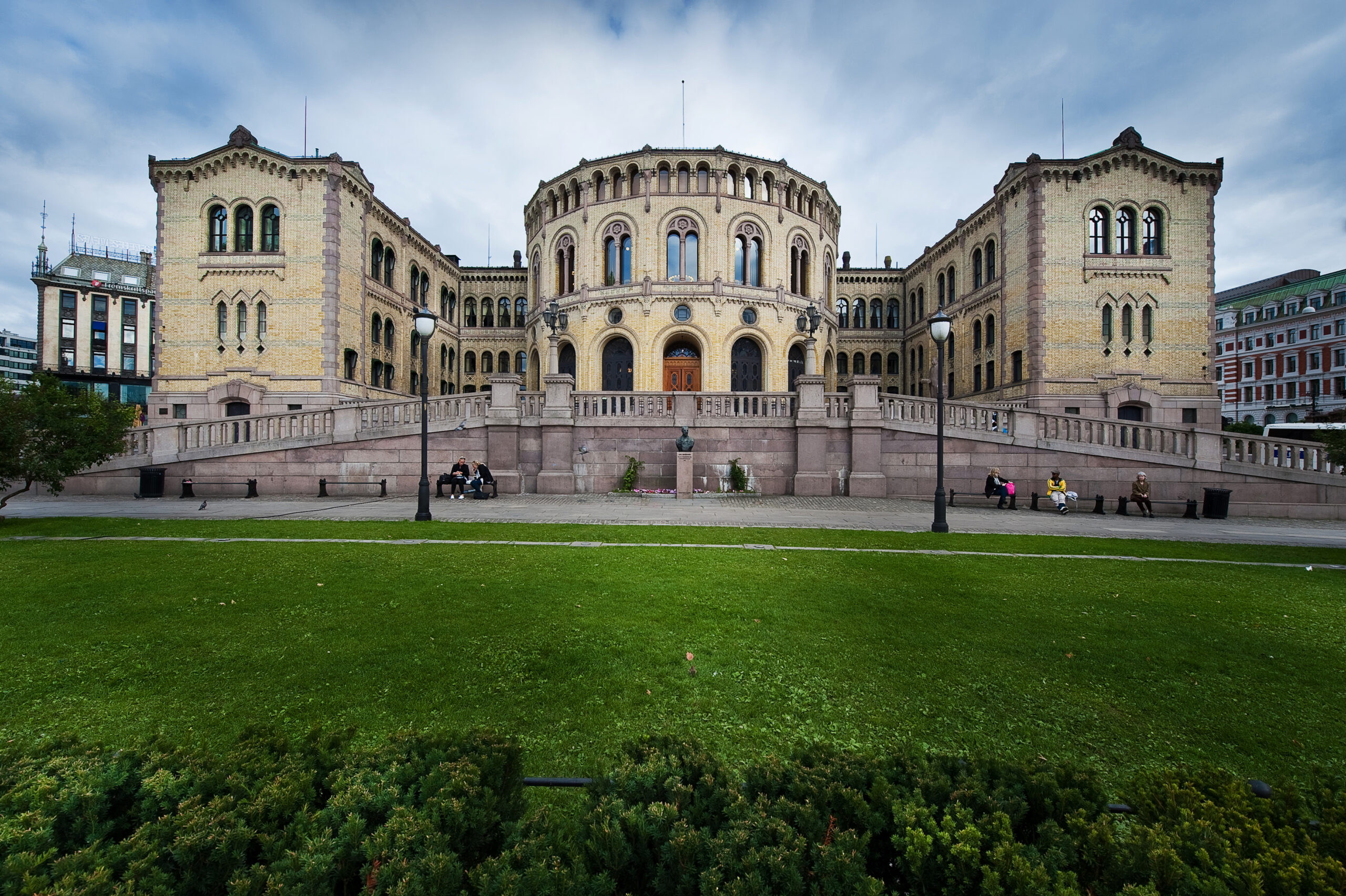
There is no gap between one Norwegian monarch and the next. The throne passed the moment King Harald died. What follows is an oath, a name, a motto and a long period of mourning.
-

A ship without insurance cannot sail — charterers won’t hire it, ports may refuse it, banks won’t fund the cargo. So when underwriters raise the war risk premium on a stretch of water, the shipping leaves. How the mechanism works, and why it is also a sanctions tool.