Category: Science & Tech
-
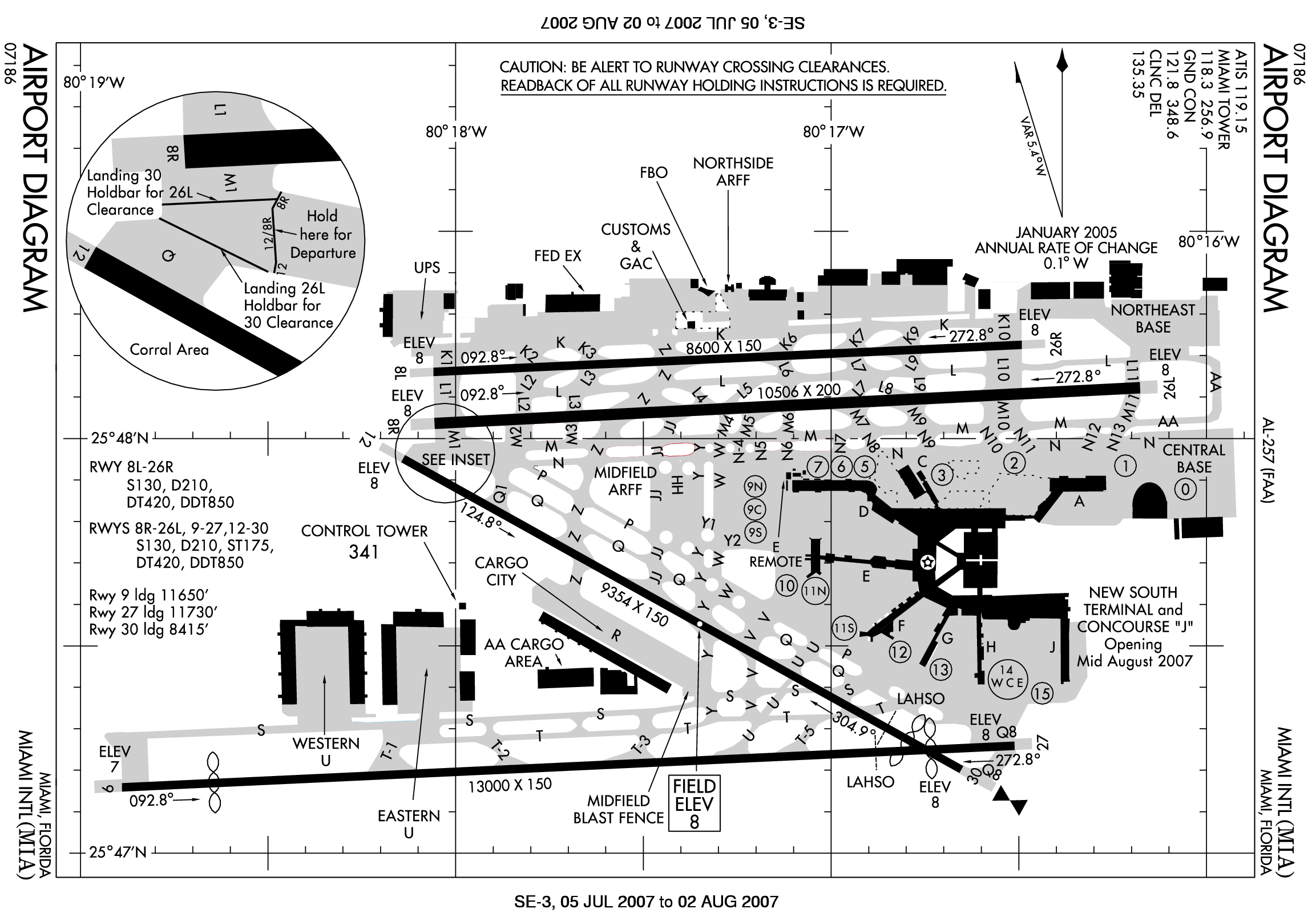
An aircraft touches down at up to 160 miles per hour with a fixed distance in which to stop. Water, wind, weight and a slightly long touchdown each eat into the margin. Why runway overruns almost never have a single cause, and what is meant to be waiting at the end of the pavement.
-

DRAM is up 171 per cent in a year and DDR5 spot prices have quadrupled since last September. No factory burned down. AI accelerators use three times the wafer capacity, and the wafers went to them.
-

This year’s Ig Nobels went to work on sweet-stealing and on what counts as a kiss. The prizes are routinely reported as a joke at the researchers’ expense. One past winner went on to take a Nobel in physics.
-

At greatest eclipse on Friday morning, 96.3 per cent of the Moon sat inside the Earth’s dark shadow. The four per cent that stayed in sunlight is what kept it from being a total eclipse — and made it more photogenic than one.
-
Meta has settled the states’ landmark case over teen social media addiction. Coverage put the figure at $16.7 billion, $17 billion and $18 billion — all in the same week. Here is what was actually agreed, and what changes on Facebook and Instagram.
-
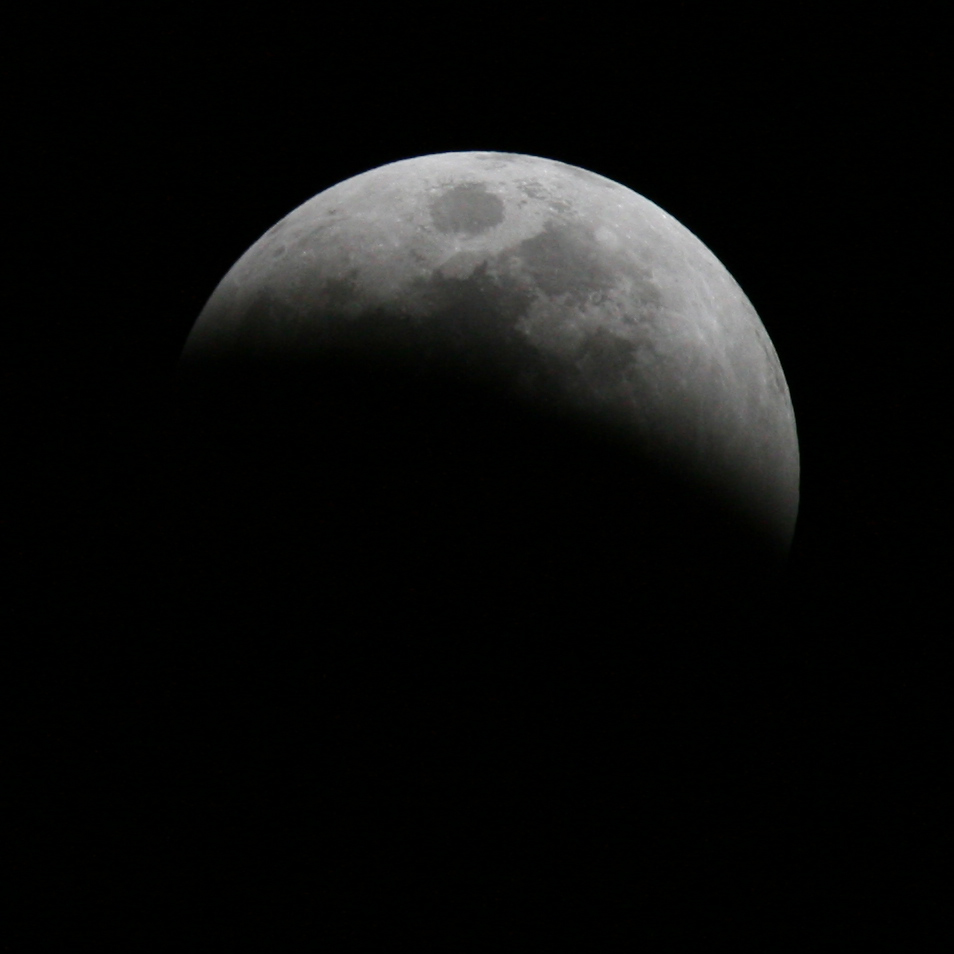
Overnight on 27-28 August, 96.2 per cent of the moon enters the darkest part of Earth’s shadow. Around 3.34 billion people can see some of it. Technically it is a partial eclipse, which undersells what it will look like.
-

Semaglutide may activate the brain’s hunger neurons rather than suppress them, and that activation may be necessary for sustained fat loss. Why a surprising mechanism matters even when the drug already works — and why this was mice.
-

Researchers report a complete 3D image of a molecule’s wavefunction. What a wavefunction is, why the phase problem made this hard, what “imaged” actually means when the picture is reconstructed, and why validating theory is the real payoff.
-

Astronomers report the first object classed as a “black hole star” — a black hole wrapped in a gas envelope the size of the Solar System. What that means, why Webb’s “little red dots” needed explaining, and what “first classed as such” does not mean.
-

Dozens of animal species turn out to carry enzymes that digest PHA bioplastics — an ability thought to belong only to microbes. What a PHA is, why the finding changes degradation models, and why “biodegradable” is a condition rather than a property.