Category: Health
-
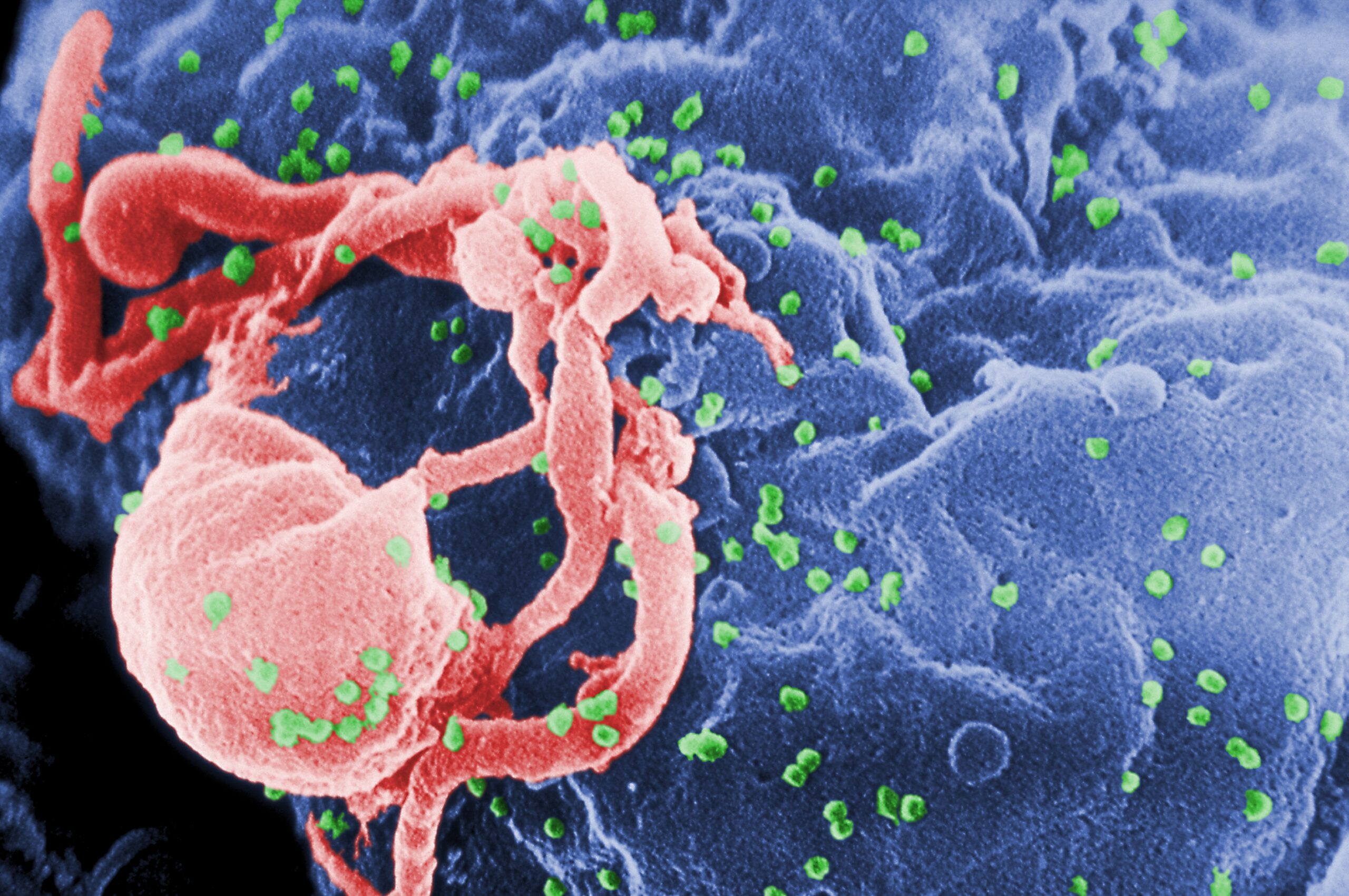
Eight infant macaques given a three-part regimen within 72 hours of infection showed no detectable HIV a year after treatment stopped. A striking result — and a long way from a treatment for babies.
-

Deep brain stimulation eases Parkinson’s symptoms, but not equally for everyone and nobody could fully explain why. Researchers now report that the benefit tracks a specific brain network communicating at 20 to 35 hertz.
-
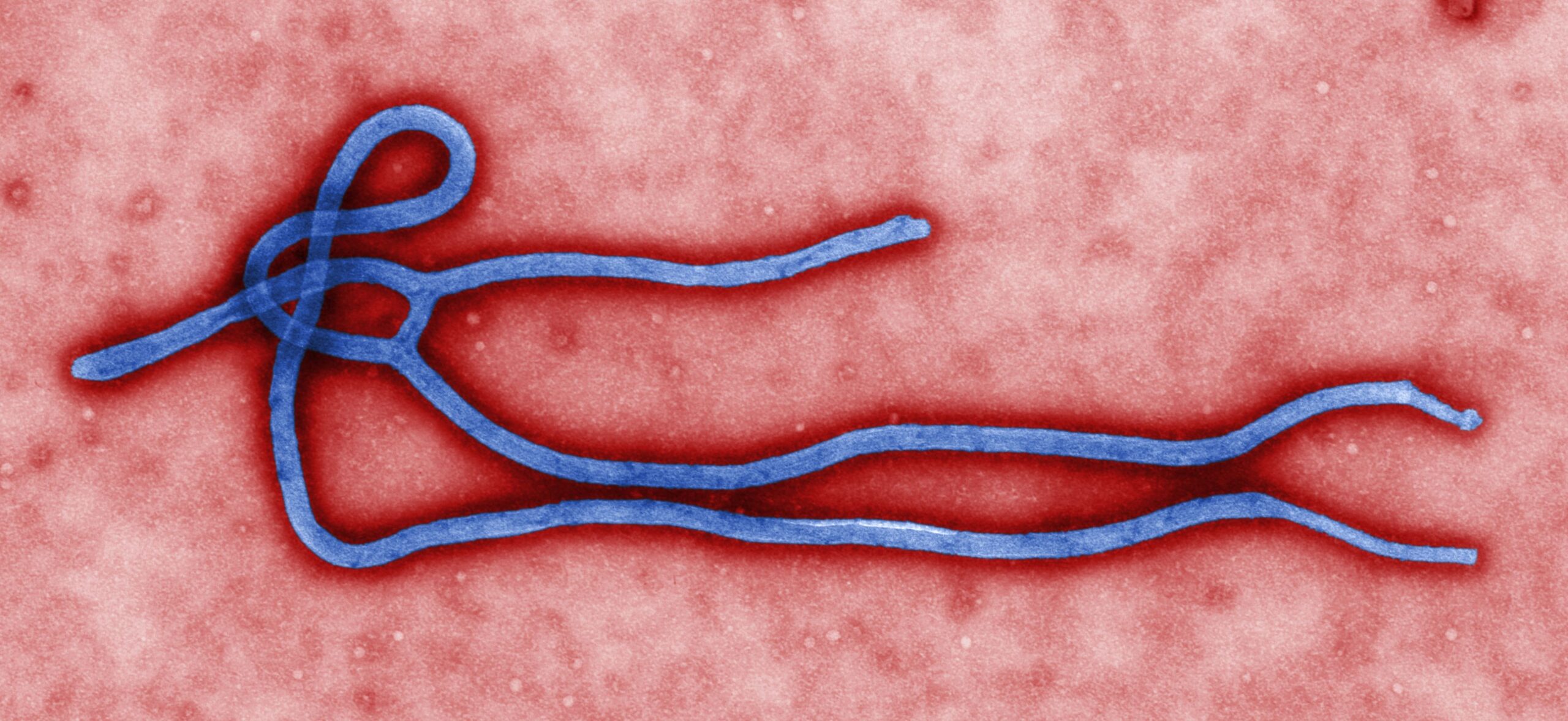
Nurses and contact tracers at the centre of Congo’s Ebola outbreak walked out in Bunia demanding wages unpaid since the epidemic was declared in May. The failure isn’t medical — it’s that the money never reached the people doing the work.
-

DR Congo has passed 4,000 confirmed Ebola cases. Why the total is the wrong number to watch, why this outbreak is harder than previous ones, and what ending one requires.
-
The brain has no lymphatic vessels, so how does it remove waste? The glymphatic system, why sleep keeps coming up, and what new research says about exercise.
-

Five questions that tell you how much a health headline is worth: was it in people, how many, was there a control group, correlation or cause, and how big is the effect really.
-

An experimental GLP-1 tablet produced up to 12.1% weight loss in a 36-week trial. What GLP-1 drugs actually do, why a pill would change access, and what the figure doesn’t tell you.
-
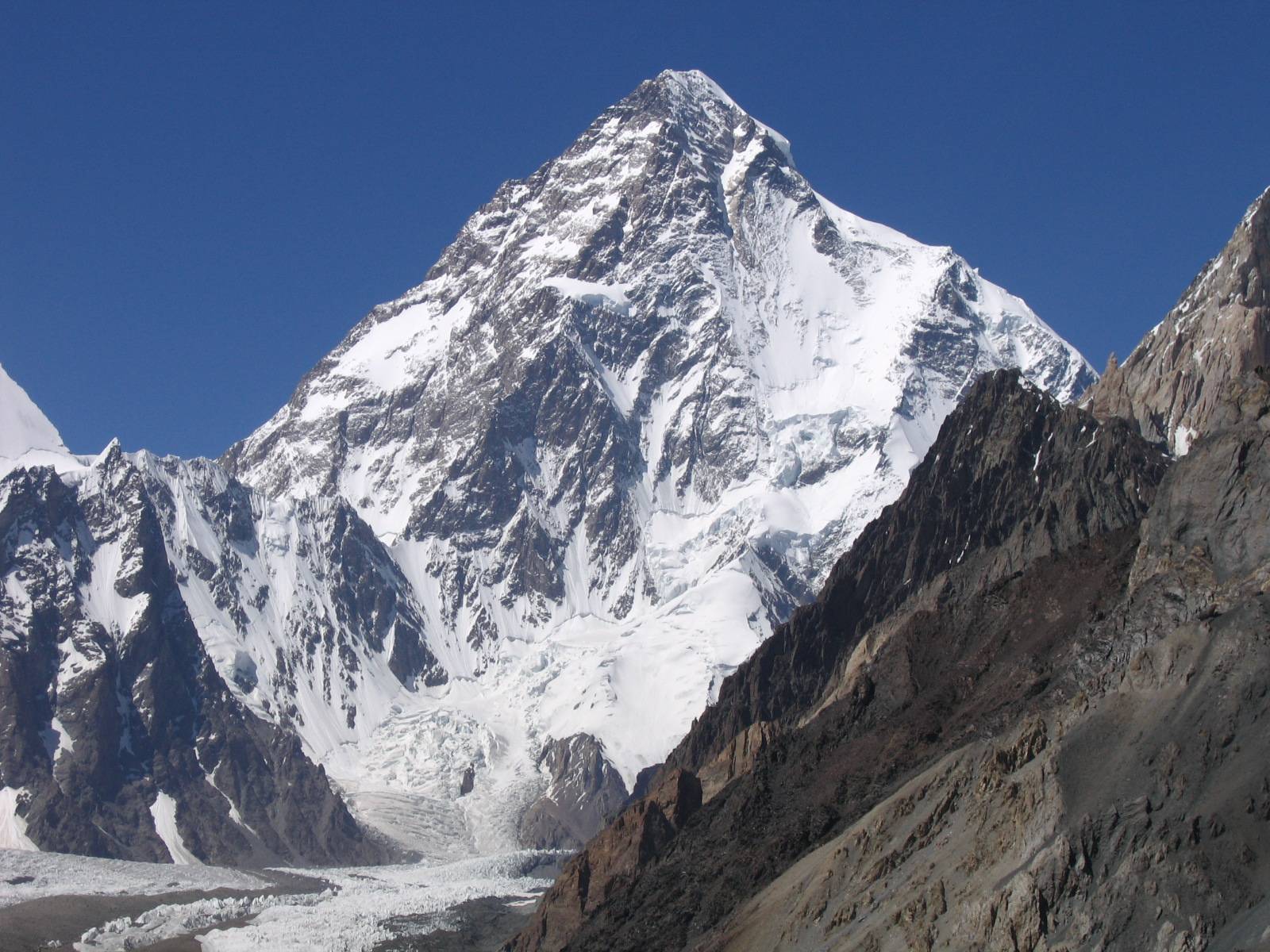
Ten climbers have died in an avalanche on Broad Peak. What happens to the body above 8,000 metres, why helicopters can barely fly there, and who actually dies on these mountains.
-
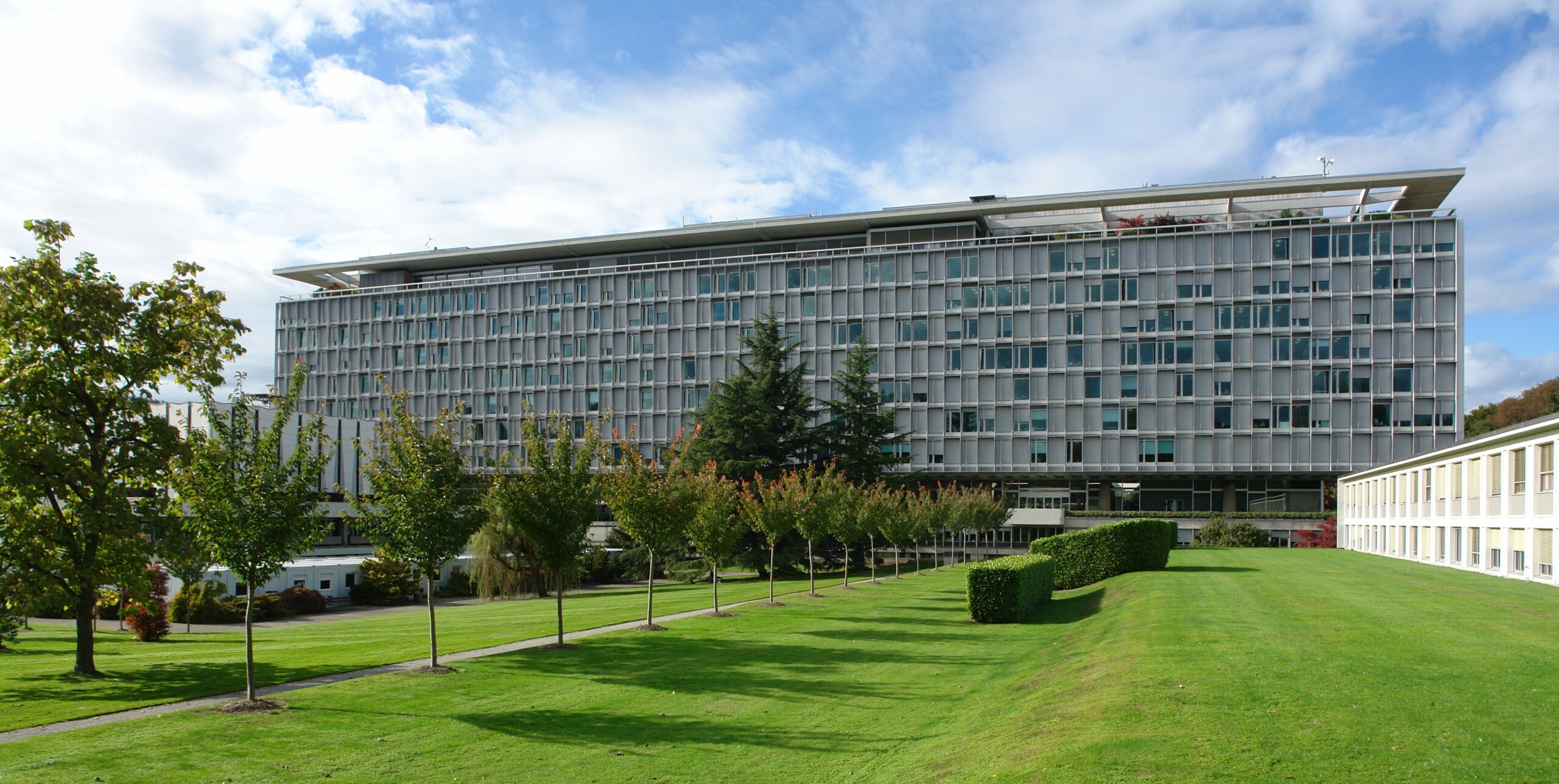
The WHO’s highest alarm has a specific legal meaning. What a Public Health Emergency of International Concern actually triggers, what it can’t do, and why declaring one is politically hard.
-

Hong Kong has recorded 36.9°C, its hottest since 1884. Why humidity matters more than the number, why nights decide the death toll, and who is actually at risk.