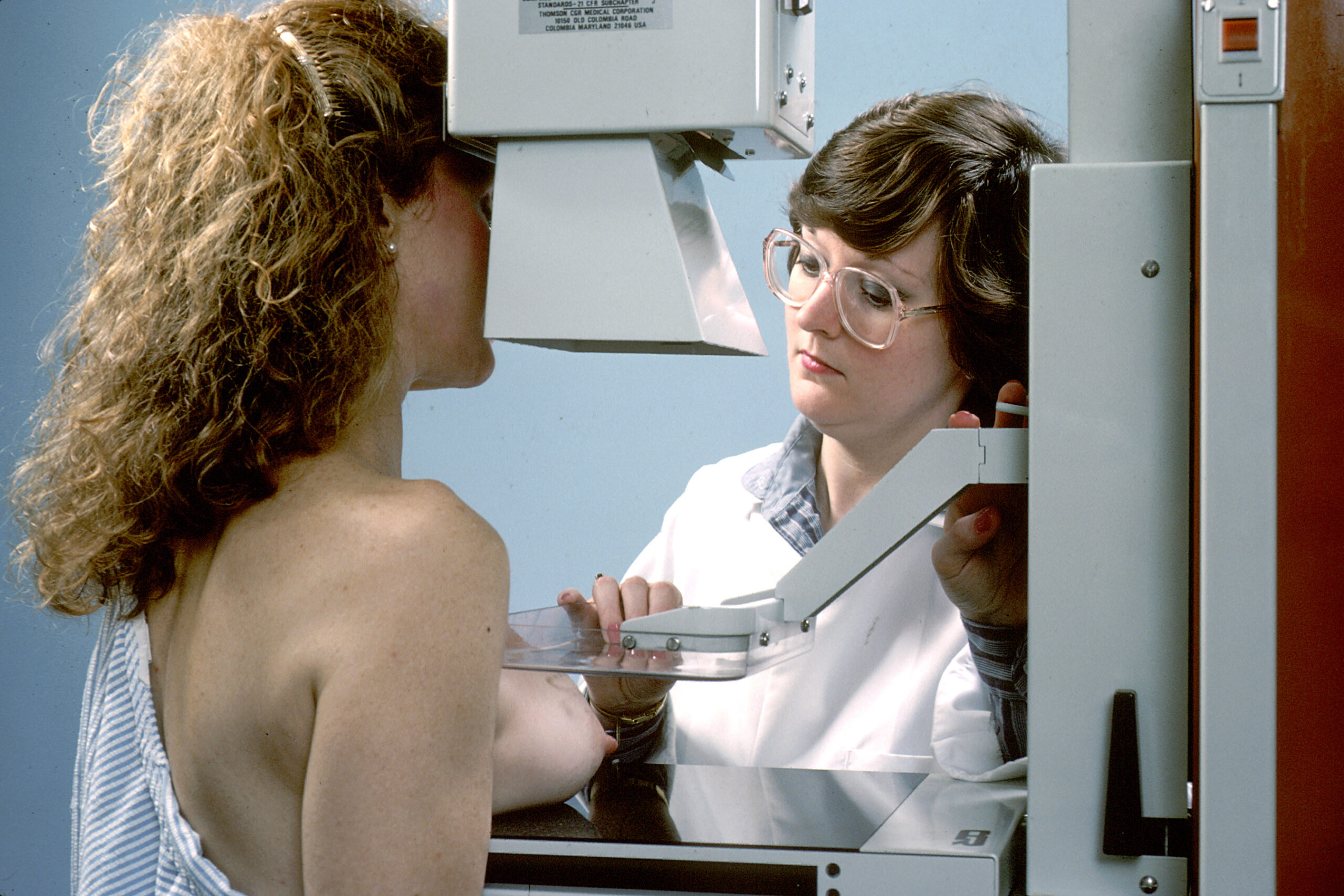
A headline that has circulated repeatedly this summer says GLP-1 drugs cut breast cancer risk by 30 per cent. The underlying study is real, reasonably large and worth understanding — and the figure means something narrower than it sounds.
Advertisement — ad space reserved
What was done
Researchers at the University of Pennsylvania, led by Elizabeth McDonald, a professor of radiology and practising breast radiologist, reviewed the electronic health records of 111,646 women aged 45 to 80 with a body mass index of 25 or higher who had undergone breast imaging. They compared those prescribed a GLP-1 receptor agonist with those who were not, matching for demographics and health factors. The work was presented at the American Society of Clinical Oncology annual meeting and published in JCO Oncology Practice.
In the matched analysis, breast cancer was diagnosed in 1.62 per cent of GLP-1 users and 2.31 per cent of non-users — an odds ratio of about 0.70.
Reading the number properly
That is where the “30 per cent” comes from, and it is a relative figure. The absolute difference is 0.69 percentage points — roughly seven fewer cancers per thousand women over the study period.
Both numbers are honest descriptions of the same result, but they land very differently. Relative reductions sound dramatic when the underlying risk is small; absolute differences tell you what an individual might actually expect. Anyone reading health coverage benefits from asking for the second number whenever they are given the first.
Advertisement — ad space reserved
What it cannot show
The researchers are direct about this. McDonald told the ASCO audience that observational studies generate hypotheses and do not demonstrate causality, and noted specific limitations: possible residual confounding, and the fact that drug exposure was measured through prescriptions recorded within one health system, so some women may have obtained medication elsewhere.
Residual confounding is the central issue. Women prescribed these drugs differ from those who are not in ways that records cannot fully capture — health-seeking behaviour, screening frequency, other conditions. Any of those could produce the same association without the drug doing anything at all.
It is also worth noting that a review published in late 2025 in the Annals of Internal Medicine, drawing on 48 randomised trials, found GLP-1 drugs likely have little or no effect on overall cancer risk. The evidence is not pointing uniformly in one direction.
Why it is plausible anyway
There is a mechanism that makes the finding worth pursuing rather than dismissing. Excess weight is one of the few modifiable risk factors for breast cancer, particularly after the menopause, and the metabolic changes accompanying it are independently linked to higher risk. GLP-1 drugs reduce systemic inflammation through several pathways and have metabolic effects that could plausibly inhibit tumour development.
The clinical context also matters. Options for preventing breast cancer are limited: screening detects rather than prevents, tamoxifen works but has side effects that limit uptake, and prophylactic surgery is reserved for high genetic risk. A widely used drug that reduced incidence would fill a real gap.
Where it goes next
The American College of Radiology, which managed the study, has called for a large prospective trial to establish whether the association is causal. That is the correct next step and the only one capable of answering the question.
In the meantime, the honest summary is: an association has been observed in one large retrospective cohort of overweight women, the absolute effect is modest, causation is unproven, and nobody should start or stop any medication on the strength of it. That is less satisfying than the headline, and considerably more useful.
This article describes published research and is not medical advice; decisions about these medications belong with a doctor who knows the individual’s history.
Sources
McDonald ES et al., JCO Oncology Practice, June 2026 (ASCO 2026, Abstract 10506); Penn Medicine and American College of Radiology statements; medwireNews and Oncology Nursing News coverage; Annals of Internal Medicine review of 48 randomised trials, 2025.
Advertisement — ad space reserved
Leave a Reply