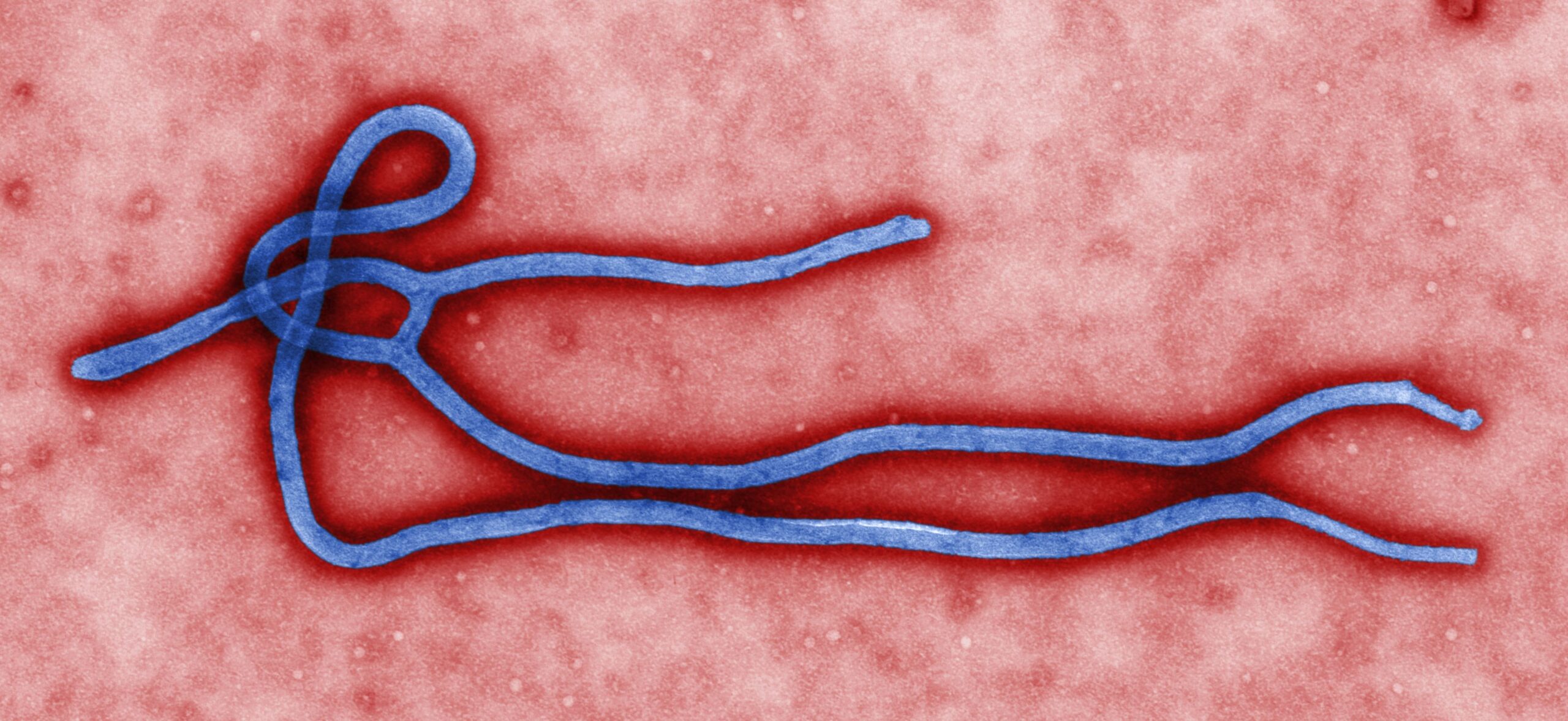
The response to the fastest-growing Ebola outbreak on record has a problem that no amount of medical expertise can solve: the people running it have not been paid.
On 6 August, dozens of health workers gathered outside the provincial governor’s office in Bunia, capital of Ituri province in eastern Democratic Republic of Congo, to demand their wages. Several health facilities were left unstaffed while they protested. They were the latest group to walk out since pay protests began weeks earlier, and among them were nurses providing direct care to Ebola patients. Their complaint was that they had received neither wages nor the bonuses attached to outbreak work since the epidemic was declared in mid-May.
Ituri accounts for nearly 90 per cent of the country’s Ebola cases. It is the centre of the response, and it was the centre of the strike.
Advertisement — ad space reserved
The scale
Government figures published on 6 August put confirmed cases at 3,973 and deaths at 1,801; the total has since passed 4,000. That makes this the second-largest Ebola outbreak ever recorded, behind only the 2014–2016 West Africa epidemic, which produced more than 28,000 cases and over 11,000 deaths.
The World Health Organization’s director-general, Tedros Adhanom Ghebreyesus, travelled to Congo on 5 August — his second visit since the outbreak was declared — and said afterwards that new cases were doubling in some hotspots and that the disease was spreading faster than the effort to track it. Médecins Sans Frontières described the outbreak as spreading at an alarming and unprecedented rate, and said the response was not reaching communities fast enough to break transmission chains.
Why the strike matters more than it sounds
Ebola control is not primarily a hospital activity. It is a tracing activity: find everyone a patient had contact with, watch them for symptoms, isolate them the moment they develop any. If that net has holes, the outbreak outruns it.
The numbers show where the holes are. Government data indicated at least 75 per cent of contacts were being traced — but officials said 60 to 70 per cent of new cases were arriving from outside those traced contacts, mostly from remote areas where rebel conflict and movement around mining sites limit access. In other words, most new infections were appearing among people the system had never identified as at risk in the first place.
Removing the tracers and nurses from that picture, even briefly, has direct consequences. One protester in Bunia told the Associated Press that with things managed this way, Ebola would not end in the province. A resident of the same city said his two brothers had died and blamed the strike for it.
Advertisement — ad space reserved
The unglamorous failure
It is worth being precise about what has gone wrong here, because it is not a shortage of medicine, vaccines or expertise. Congo has more institutional experience of Ebola than any country on earth. The failure is administrative: money pledged to an emergency response has not reached the people doing the work, for three months, in the middle of an epidemic.
Some workers reported starting to receive back pay in the week before the Bunia protest, while continuing to press for better wages. That is the pattern these disputes tend to follow — payment arrives after the walkout, which teaches everyone involved that walking out is what produces payment. In an outbreak where transmission chains are already outrunning the tracers, that is an expensive lesson to keep repeating.
These are also people being asked to enter isolation wards and handle bodies during a haemorrhagic fever epidemic, in a region with active armed conflict, for wages they have not seen. Framed that way, the surprising thing is not that some of them stopped.
Sources
Associated Press reporting from Bunia and Kinshasa, carried by ABC News, Al Jazeera and the Washington Post; statements from the World Health Organization and Médecins Sans Frontières; Congolese government outbreak data published 6 August 2026.
Advertisement — ad space reserved
Leave a Reply