Category: Humanitarian
-
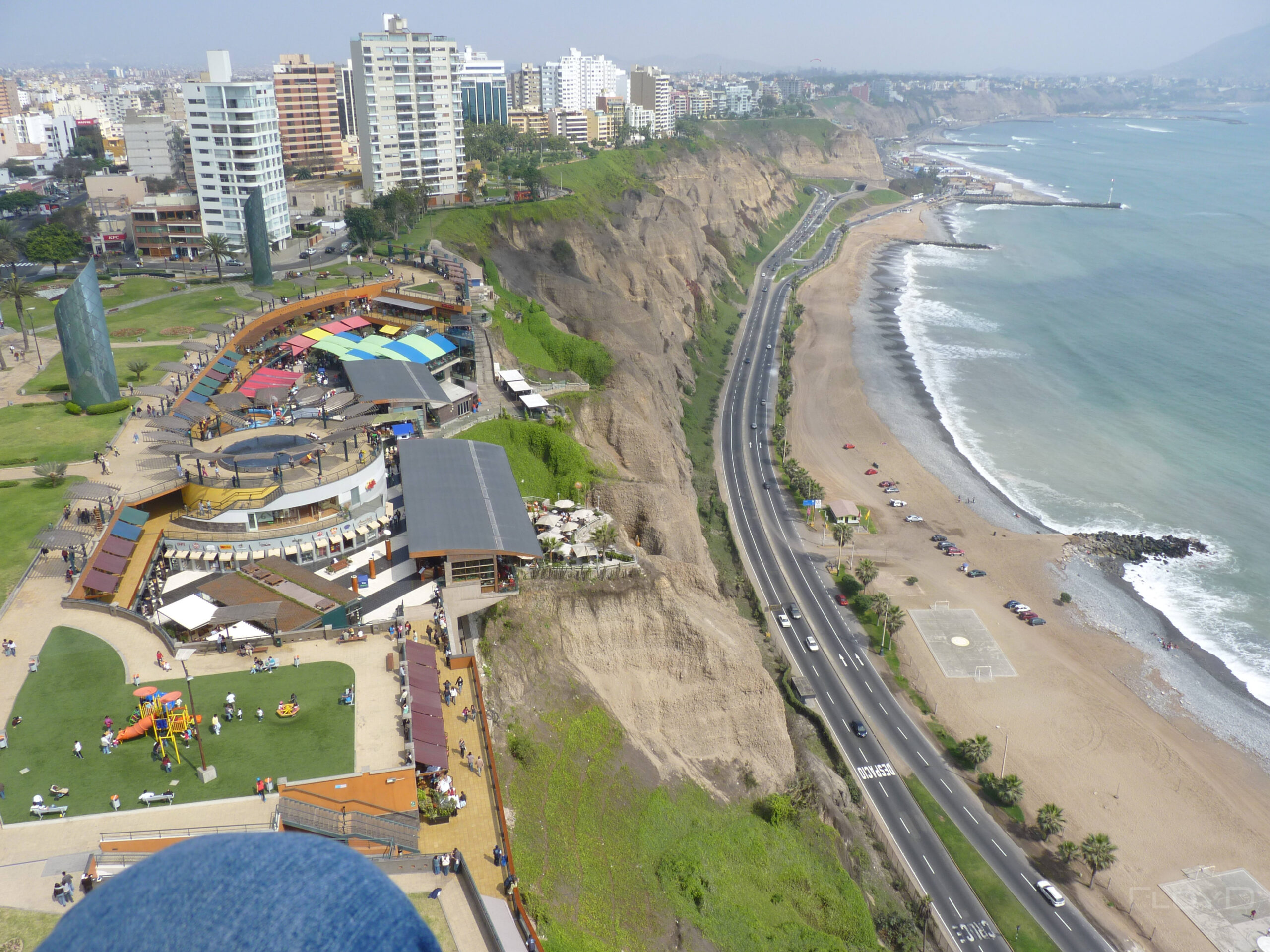
A regional humanitarian update records 16,000 people affected by rains and flooding in Peru, a further 44,000 hit by ongoing rain, and 2 to 3 million expected to need food assistance in Honduras and Guatemala. None of it has drawn international coverage.
-
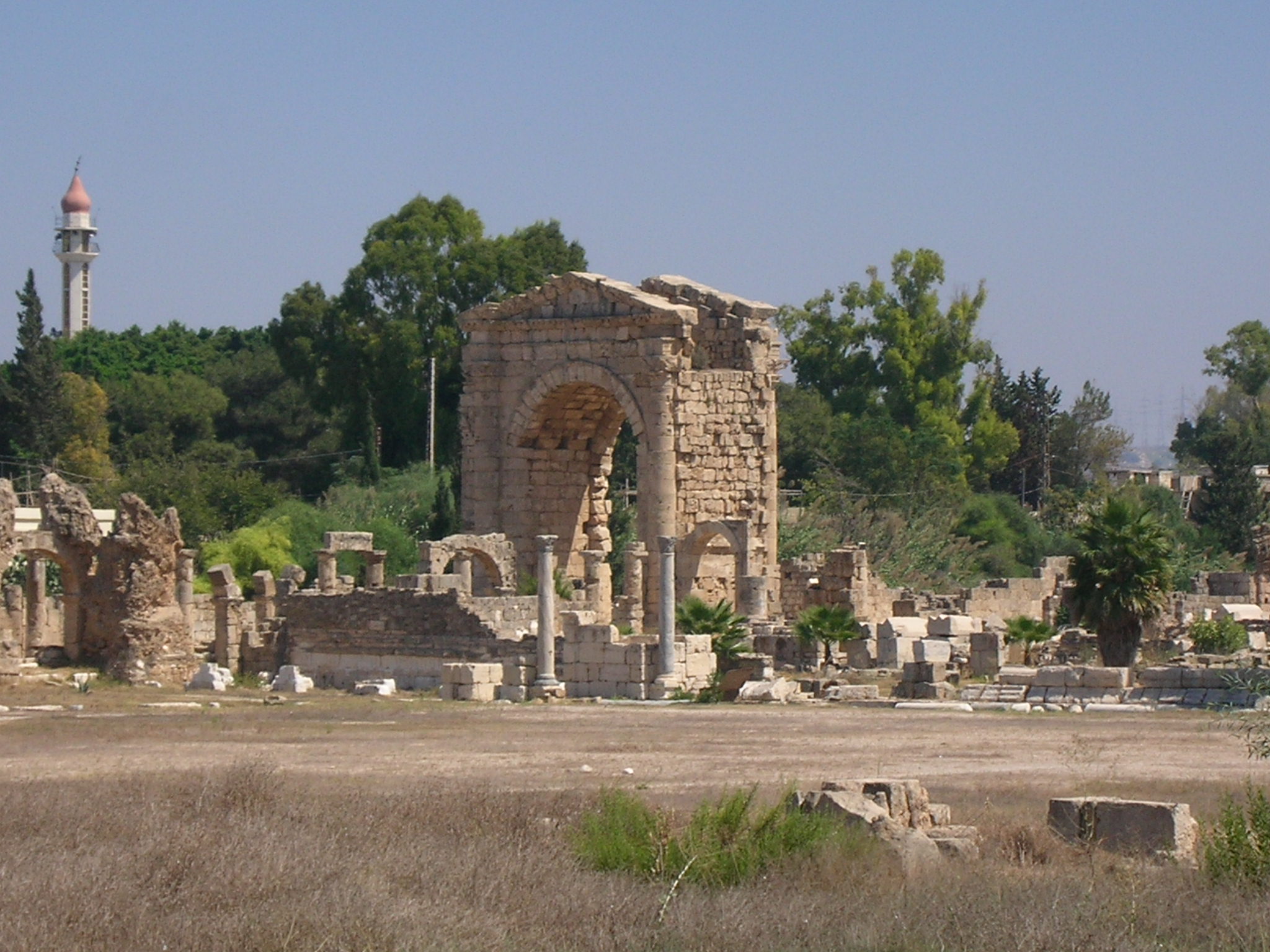
The IOM is asking for 19 million dollars as displacement in Lebanon surges again. Buried in the same reporting is a small figure about date bars handed out at Syrian crossings — and it says more about what agencies expect than the headline numbers do.
-
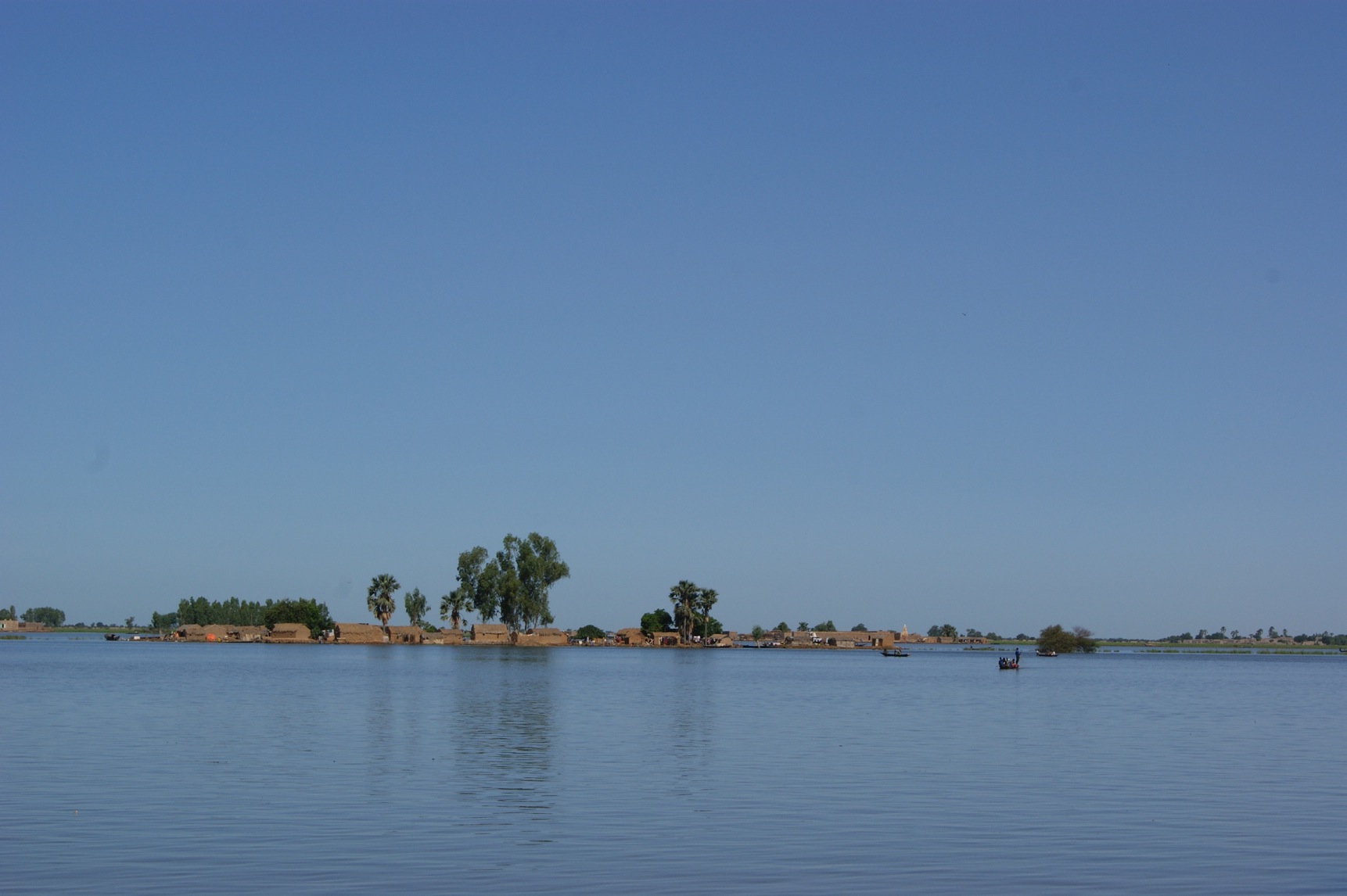
More than 415,000 people are displaced inside Mali, mostly women and children. Being displaced within your own country rather than across a border changes your legal status, your visibility and your chances — and almost nobody reports it.
-

The UN’s humanitarian team and its peacekeeping mission in South Sudan have jointly called for civilian protection in Akobo, and Troika envoys have pressed President Kiir. These statements are written in deliberately flat language — which is exactly why they are worth reading.
-

At least eight people were killed and around a million customers lost electricity in the latest Russian strikes on Ukraine. The outage figure, not the death toll, is the one that describes what this campaign is for — and why October damage becomes a November problem.
-

Two cyclones in succession — Fytia and Gezani — have affected more than 681,000 people across Madagascar, Malawi and Mozambique, with 23.2 million dollars committed so far. The sequencing is what makes this dangerous, and it has gone almost entirely unreported.
-
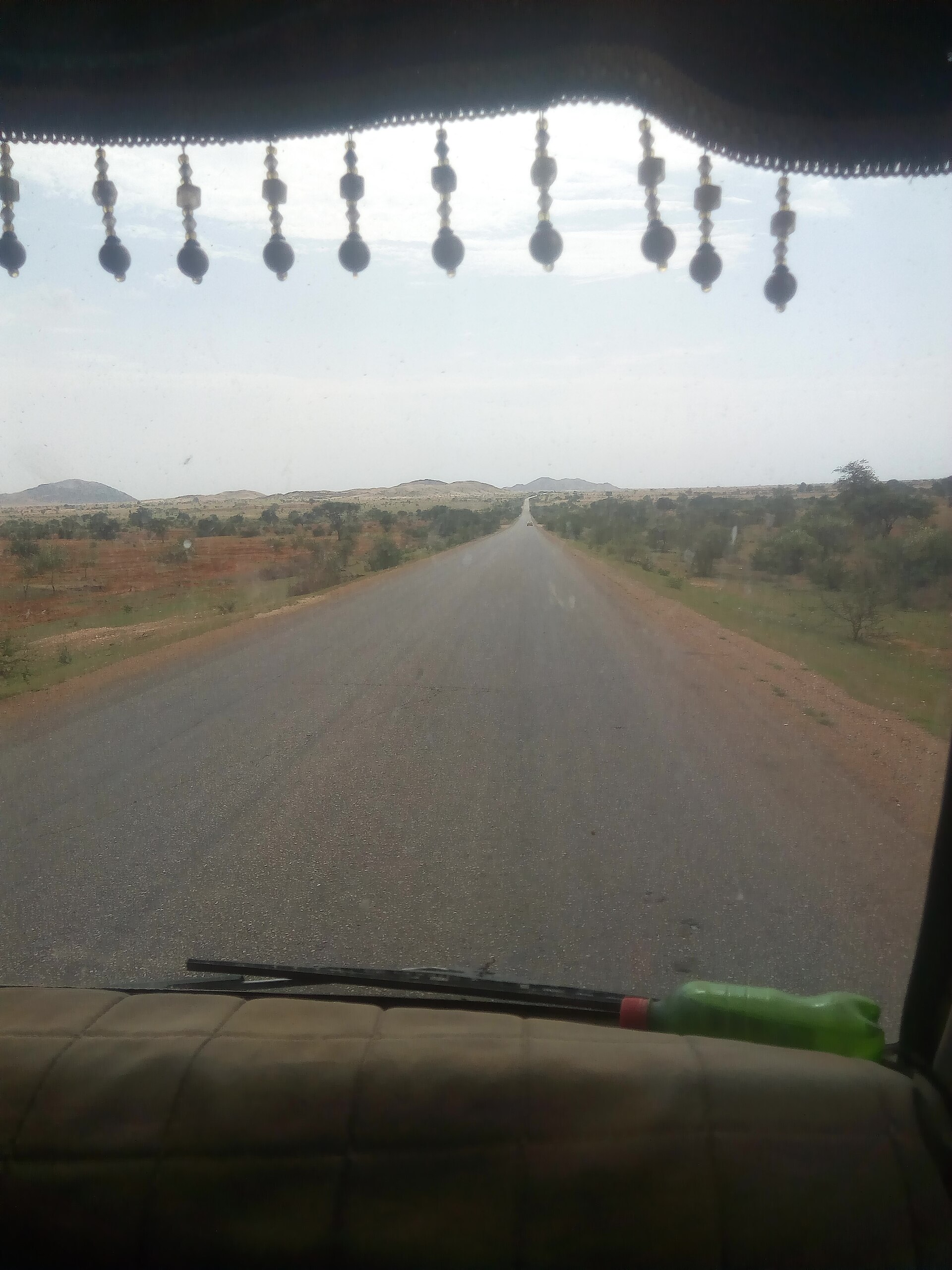
Sudan’s war has settled into an east–west partition with two parallel governments, and the fighting has moved to the region between them. Sieges and drone strikes in Kordofan are producing famine risk — and famine in modern war is rarely about a shortage of food.
-

Ten days after Nepal’s floods, searches continue for hydropower workers feared trapped in tunnels, and rebuilding is estimated at $5 billion. Coverage peaks in the first days and falls away; need runs the other way.
-
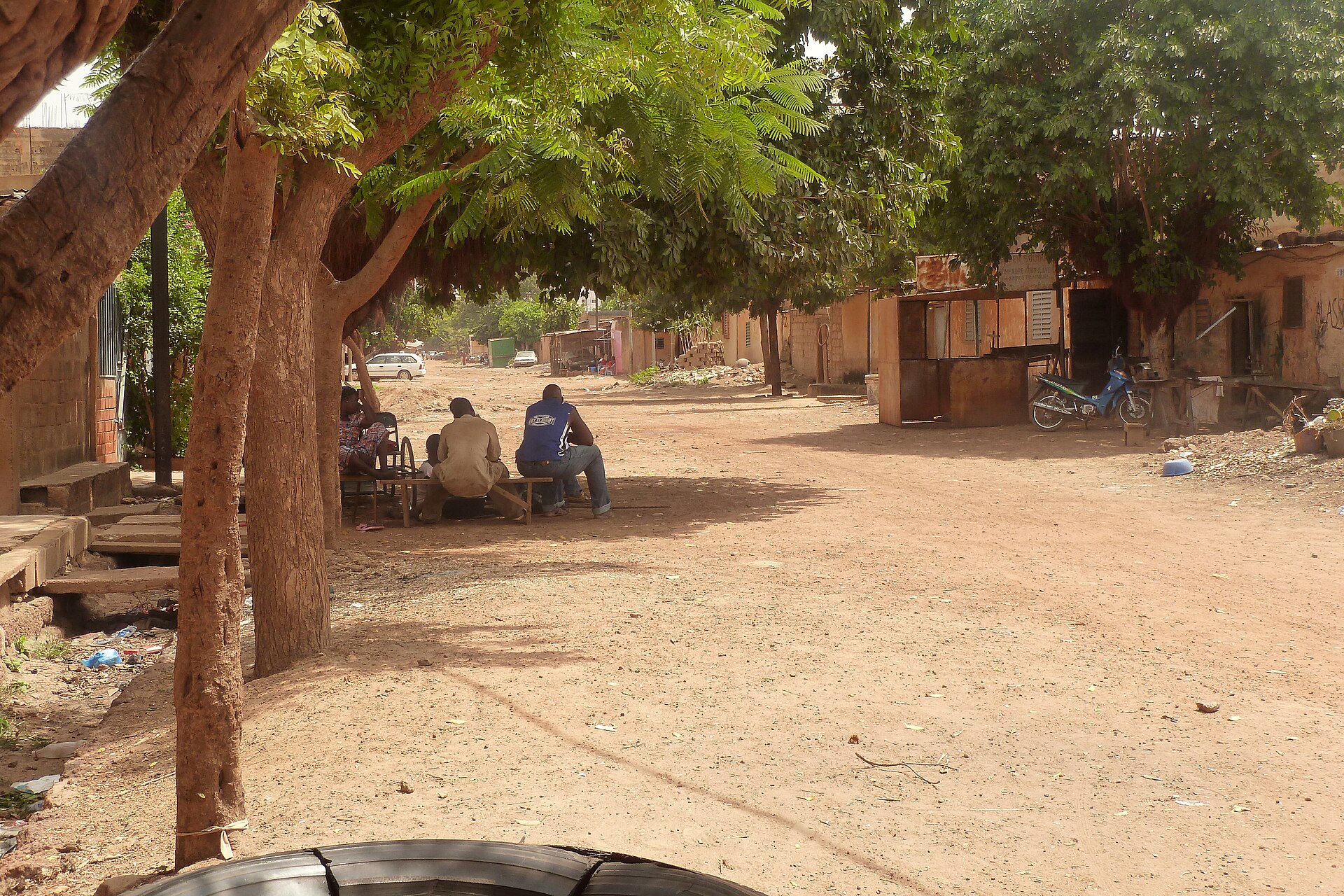
Burkina Faso’s last official displacement figure — 2.1 million, about nine per cent of the population — dates from March 2023. Armed groups now control roughly half the country. When the headline number stops moving, the humanitarian appeal built on it stops growing too.
-
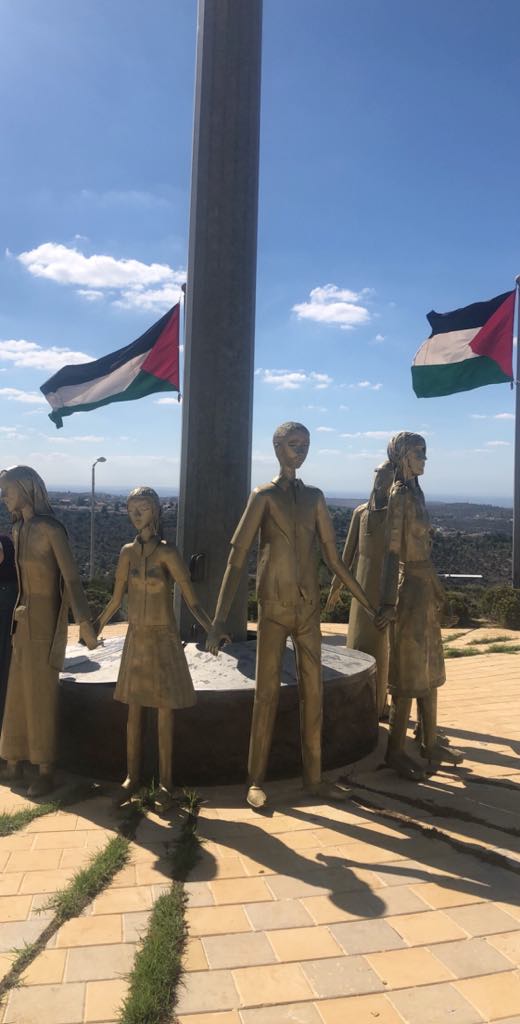
The World Food Programme is halving the number of people it feeds in the occupied West Bank, from 400,000 to 200,000, because of a funding shortfall. Nobody’s circumstances improved. What a cut like this actually involves, and what tends to happen to the households removed.