Category: Health
-

MSF screened 21,000 children in Baidoa and found acute malnutrition around 50 per cent among the displaced. The number that matters more is the readmission rate: over 60 per cent.
-

MSF admitted 1,296 severely malnourished children with complications at one hospital in northern Yemen in six months, against 798 a year earlier. The rise is sharper than the lean season alone explains.
-

Fourteen babies died in the nursery at Islamabad’s largest public hospital. An air-conditioning fault, oxygen pipework, and a ward whose occupants cannot be evacuated quickly — a combination that has killed newborns twice before in two years.
-

A fire in the newborn nursery at the Pakistan Institute of Medical Sciences killed at least 14 babies on Wednesday morning. One was rescued. Reported tolls range from 13 to 15. Why neonatal units are among the hardest places in a hospital to evacuate.
-
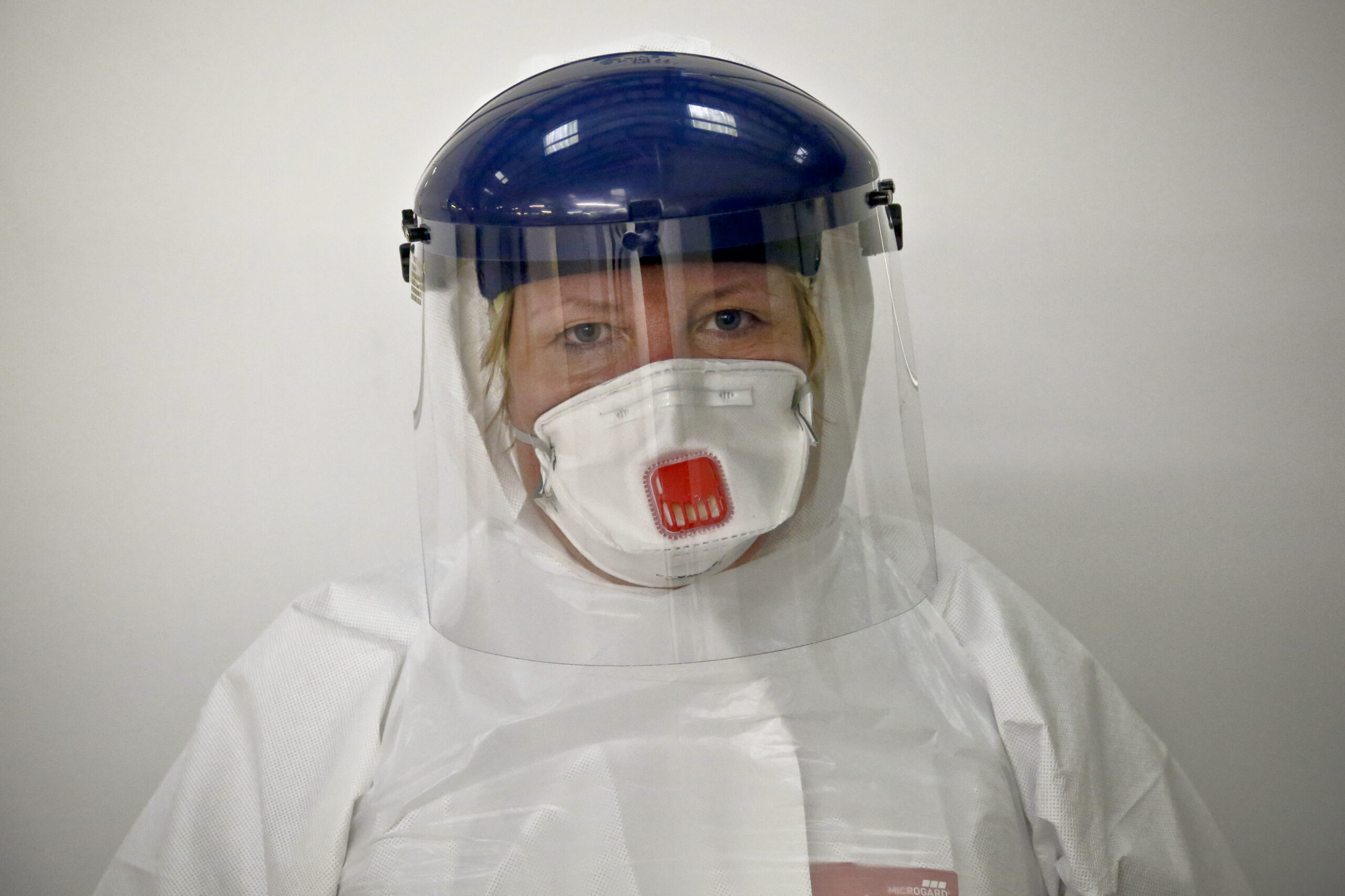
More than 300 deaths in a week and over 2,600 since May. Forty health workers have died, wages have gone unpaid, and 16,000 vaccine doses have arrived for an Ebola species the vaccine was never designed against.
-

The International Health Regulations Emergency Committee met for a second time on the Bundibugyo virus epidemic, and WHO published updated recommendations on 24 August. They are more detailed than the first set, and now cover mass gatherings and movement inside the country.
-

Swedish data from 376,000 people links colorectal screening to a 43 per cent lower risk of dying from the disease. Why this cancer suits screening unusually well, what a relative reduction actually means, and the costs on the other side.
-

Semaglutide may activate the brain’s hunger neurons rather than suppress them, and that activation may be necessary for sustained fat loss. Why a surprising mechanism matters even when the drug already works — and why this was mice.
-

Three of twelve cats sampled near California dairy farms carried antibodies to H5N1. What that shows, why farm cats sit at an awkward junction between livestock and wildlife, and the welfare question that no framework currently owns.
-

European surveillance reports 81 locally acquired West Nile cases across six countries this season. Why “locally acquired” is the key phrase, why the counts understate infections, and what the climate link does and does not establish.