Category: Health
-
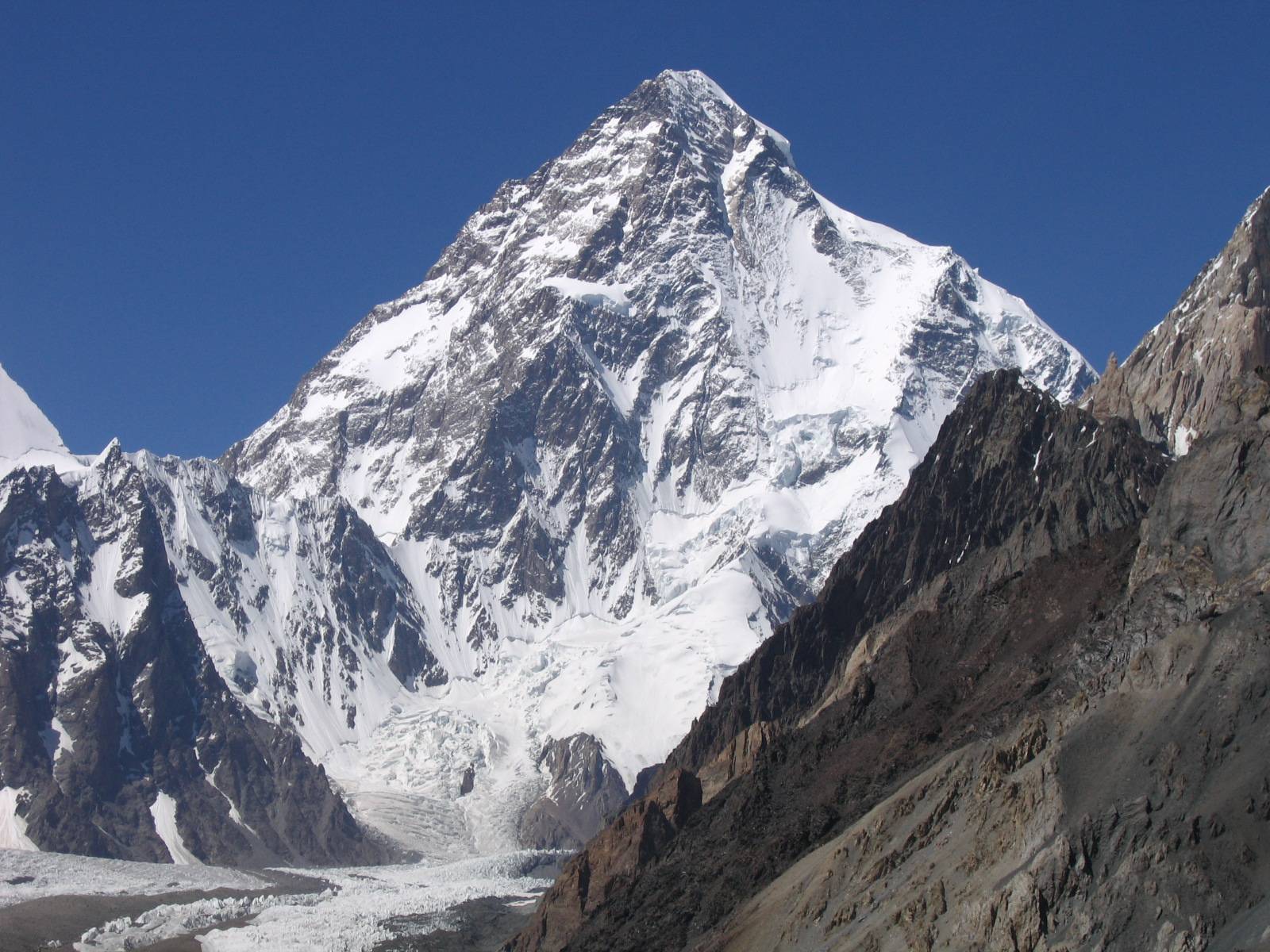
Ten climbers have died in an avalanche on Broad Peak. What happens to the body above 8,000 metres, why helicopters can barely fly there, and who actually dies on these mountains.
-
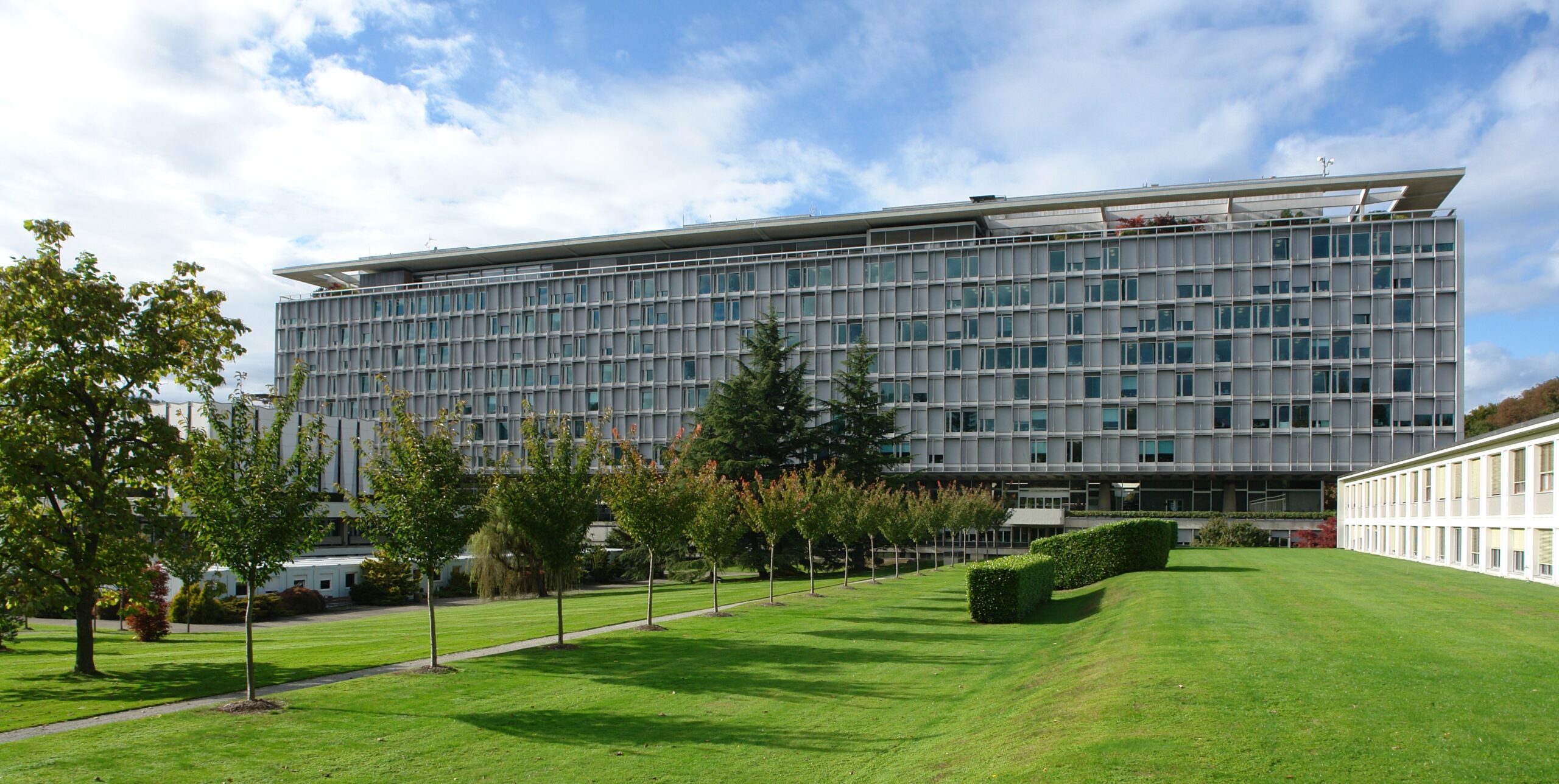
The WHO’s highest alarm has a specific legal meaning. What a Public Health Emergency of International Concern actually triggers, what it can’t do, and why declaring one is politically hard.
-
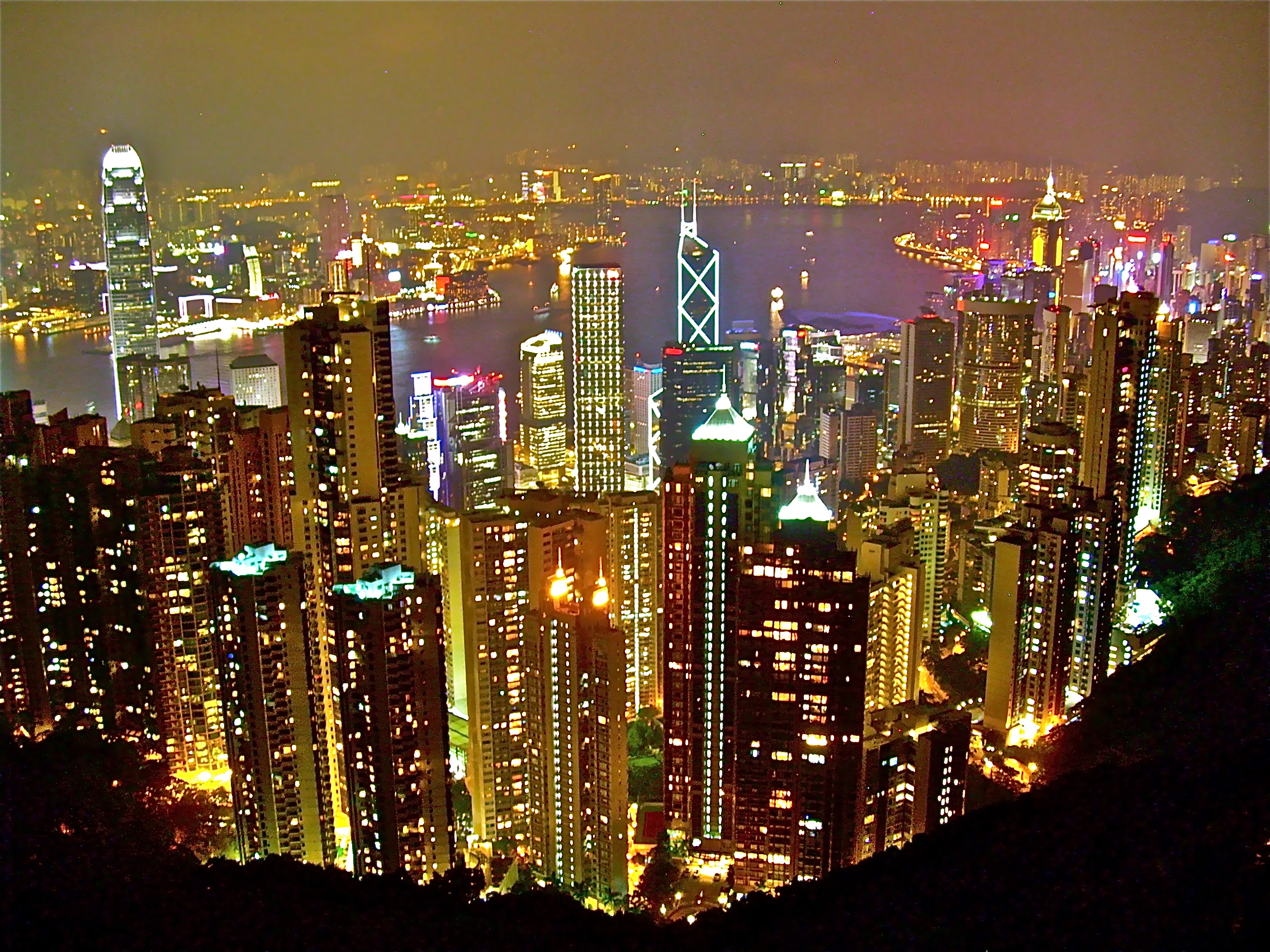
Hong Kong has recorded 36.9°C, its hottest since 1884. Why humidity matters more than the number, why nights decide the death toll, and who is actually at risk.
-

There is an Ebola vaccine — so why is DR Congo’s outbreak still growing? Because “Ebola” is several viruses, and the vaccines were built against a different one.
-

The US has recorded 2,465 confirmed measles cases in 2026. What “eliminated” actually meant, why measles returns first, and why national averages hide the real risk.
-
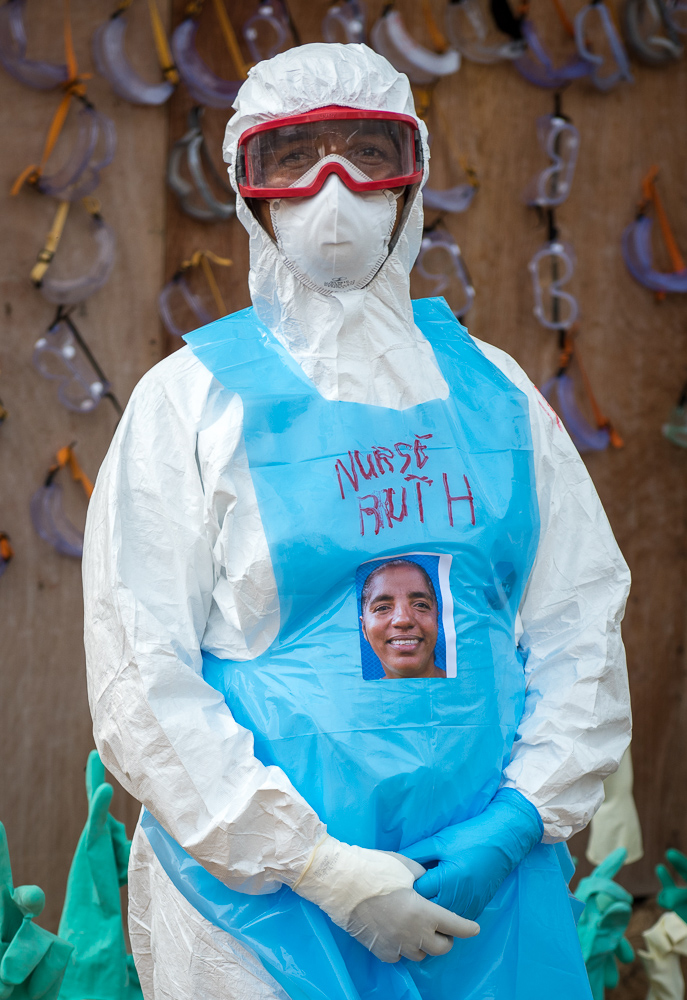
The Bundibugyo Ebola outbreak in DR Congo has reached 3,874 cases and 1,751 deaths — the second-largest on record, and spreading faster than earlier outbreaks. Why this species is harder to fight.
-

New research suggests nearly half of dementia cases may be linked to changeable risks. What “modifiable risk” really means, why it isn’t about blame, and why it’s a policy question as much as a personal one.
-
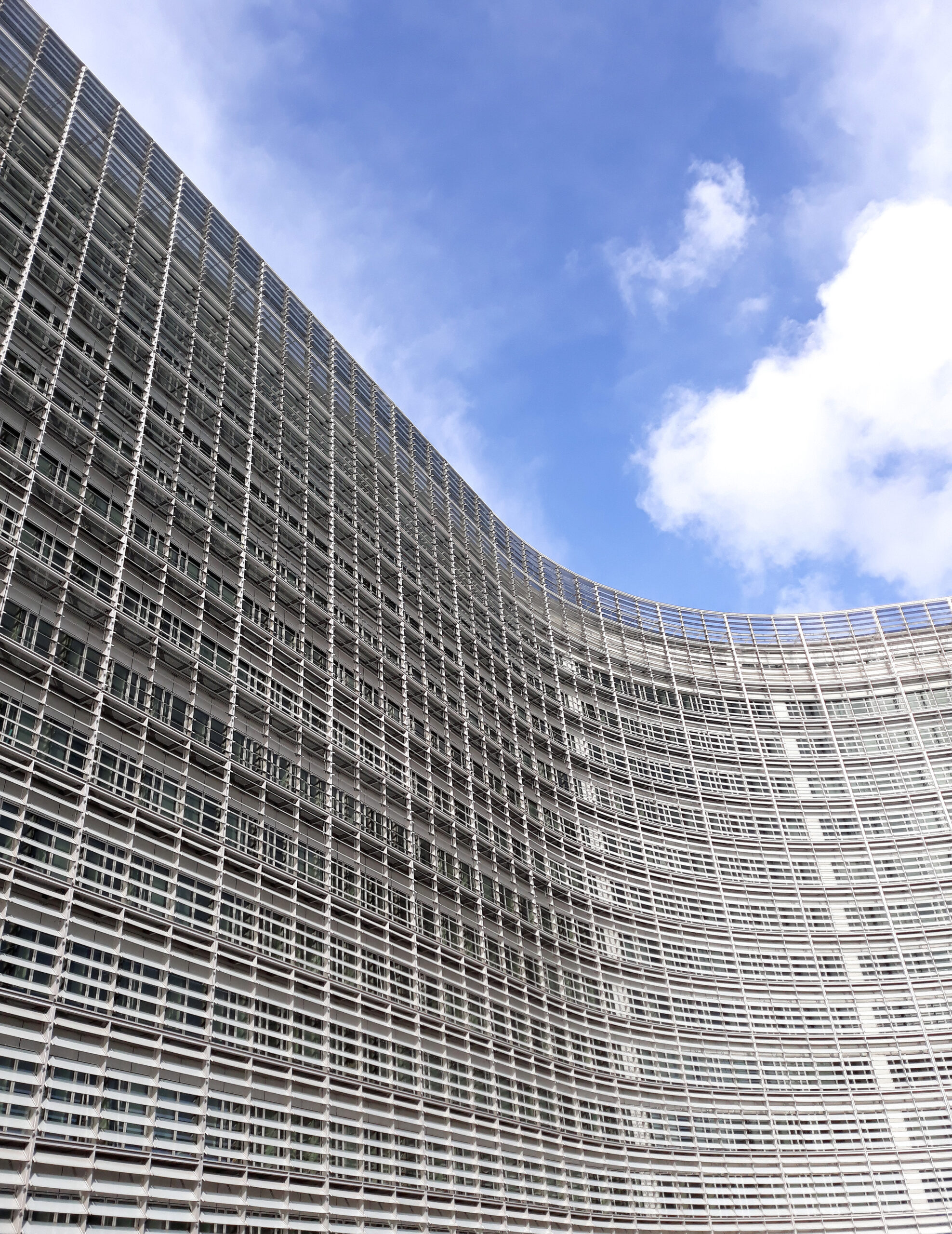
Poland is appealing a Brussels ruling ordering it to pay €1.3 billion for COVID vaccine doses it doesn’t want. How advance purchase contracts worked, and why both sides have a real case.
-

Michigan has reported the first two deaths in a cyclosporiasis outbreak. What the parasite is, how people catch it, who is most at risk — and why washing salad isn’t the whole answer.
-

A Senate committee voted to hold Anthony Fauci in contempt of Congress. What contempt of Congress actually is, what has to happen next, and why the case divides opinion so sharply.