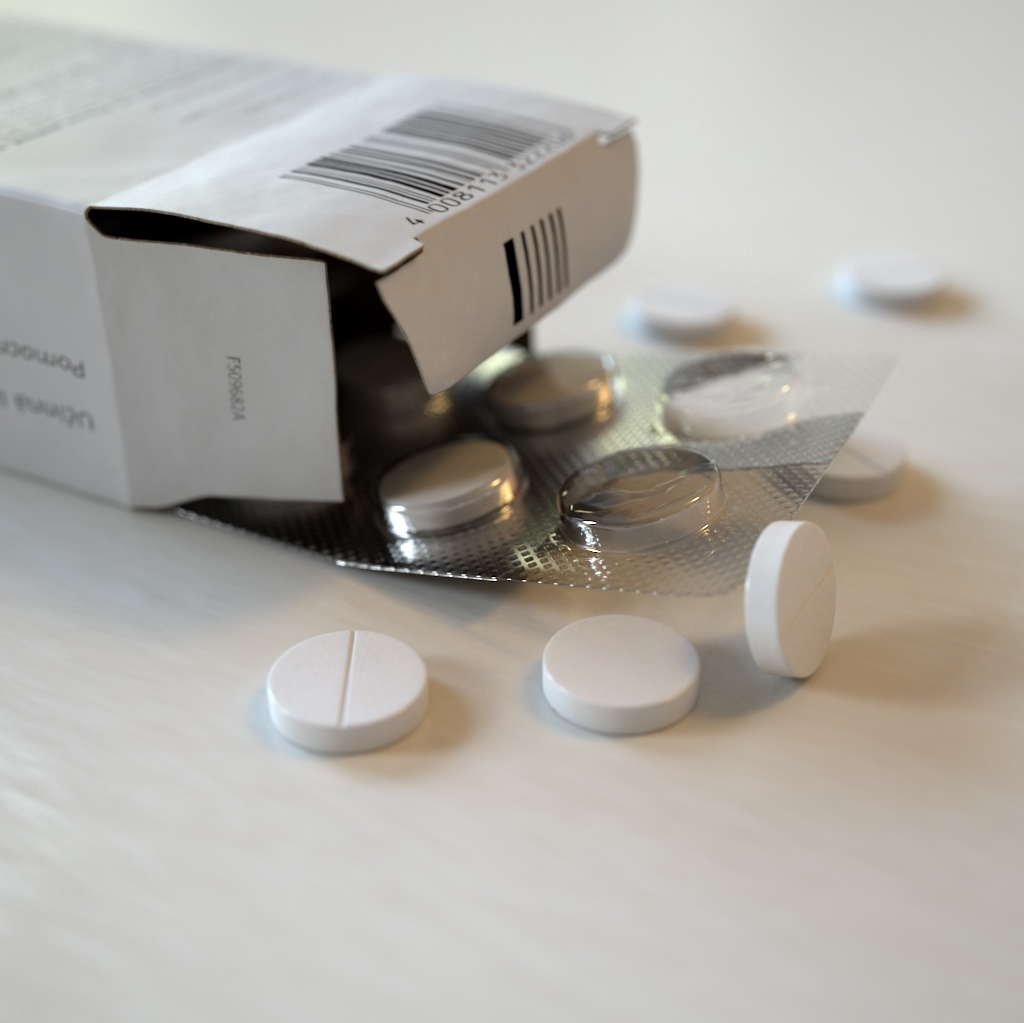
Results reported this week describe an experimental drug, aleniglipron, producing average weight loss of up to 12.1% of body weight over 36 weeks in people with obesity or overweight. Unlike the injectable medicines that have dominated this field, it is a tablet taken once daily.
This is a research finding about a drug that is not yet approved anywhere. It is not medical advice, and nothing here should be used to make decisions about your own treatment — that is a conversation for a doctor who knows your history.
Advertisement — ad space reserved
What GLP-1 drugs do
GLP-1 is a hormone the body releases from the gut after eating. Among other effects, it signals to the brain that food has arrived, slows the rate at which the stomach empties, and prompts the pancreas to release insulin.
Drugs in this class imitate that hormone. They were developed for type 2 diabetes, where the insulin effect is the point, and the weight change was initially a side effect.
The mechanism is worth understanding because of what it implies: these medicines act on appetite regulation, which is a biological system, not a matter of resolve. That has shifted how a good deal of the medical profession thinks about obesity.
Why a pill is significant
The existing drugs are peptides — large, fragile molecules that the digestive system breaks down, which is why they are injected.
Aleniglipron is described as a small molecule, a fundamentally different kind of compound that can survive digestion and be absorbed.
Three consequences follow. Small molecules are generally far cheaper to manufacture than peptides, which matters for access. They do not need cold-chain storage, which matters enormously for distribution in countries without reliable refrigeration. And some people who would not use an injection will take a tablet.
Advertisement — ad space reserved
What the figure does and does not tell you
“Up to 12.1%” is an average at a particular dose over a particular period. Averages conceal spread: in trials of this kind, some participants lose considerably more and some lose very little.
Thirty-six weeks is also a short window relative to how these drugs are used. Two questions the trial period cannot answer are what happens over several years, and what happens when someone stops. Evidence from the injectable drugs suggests weight is commonly regained after discontinuation, which reframes them as ongoing treatments rather than courses.
Side effects also matter and are frequently underplayed in coverage. Nausea and other gastrointestinal effects are common with this class, and a meaningful proportion of people stop taking them for that reason.
Who these drugs are for
Medicines in this class are prescribed for specific clinical indications — type 2 diabetes, and obesity where it carries health risks — under medical supervision, with monitoring.
They are not cosmetic products, and the widespread off-label and unsupervised use reported in several countries, often involving compounded or counterfeit versions bought online, has produced genuine harm.
If any of this is relevant to you, the useful next step is a conversation with a doctor about your own circumstances — not a decision based on a percentage in a headline.
What happens next
An experimental drug with promising trial results still has to complete regulatory review, which examines the full data rather than the headline figure, including safety findings that do not make press releases.
Plenty of compounds with encouraging mid-stage results never reach approval. The appropriate response to a result like this is interest, not expectation.
Source: ScienceDaily, 10 August 2026. This article is general reporting on published research and is not medical advice; speak to a qualified healthcare professional about your own health.
Advertisement — ad space reserved
Leave a Reply