Category: World
-

Protesters have blocked the Port Sudan–Khartoum highway over power cuts during a heatwave. Why losing electricity in extreme heat is a threat to life, not an inconvenience.
-

Can a country legally close a strait? Transit passage, territorial seas, and why a clear rule still doesn’t settle what happens in the Strait of Hormuz.
-

The US has recorded 2,465 confirmed measles cases in 2026. What “eliminated” actually meant, why measles returns first, and why national averages hide the real risk.
-
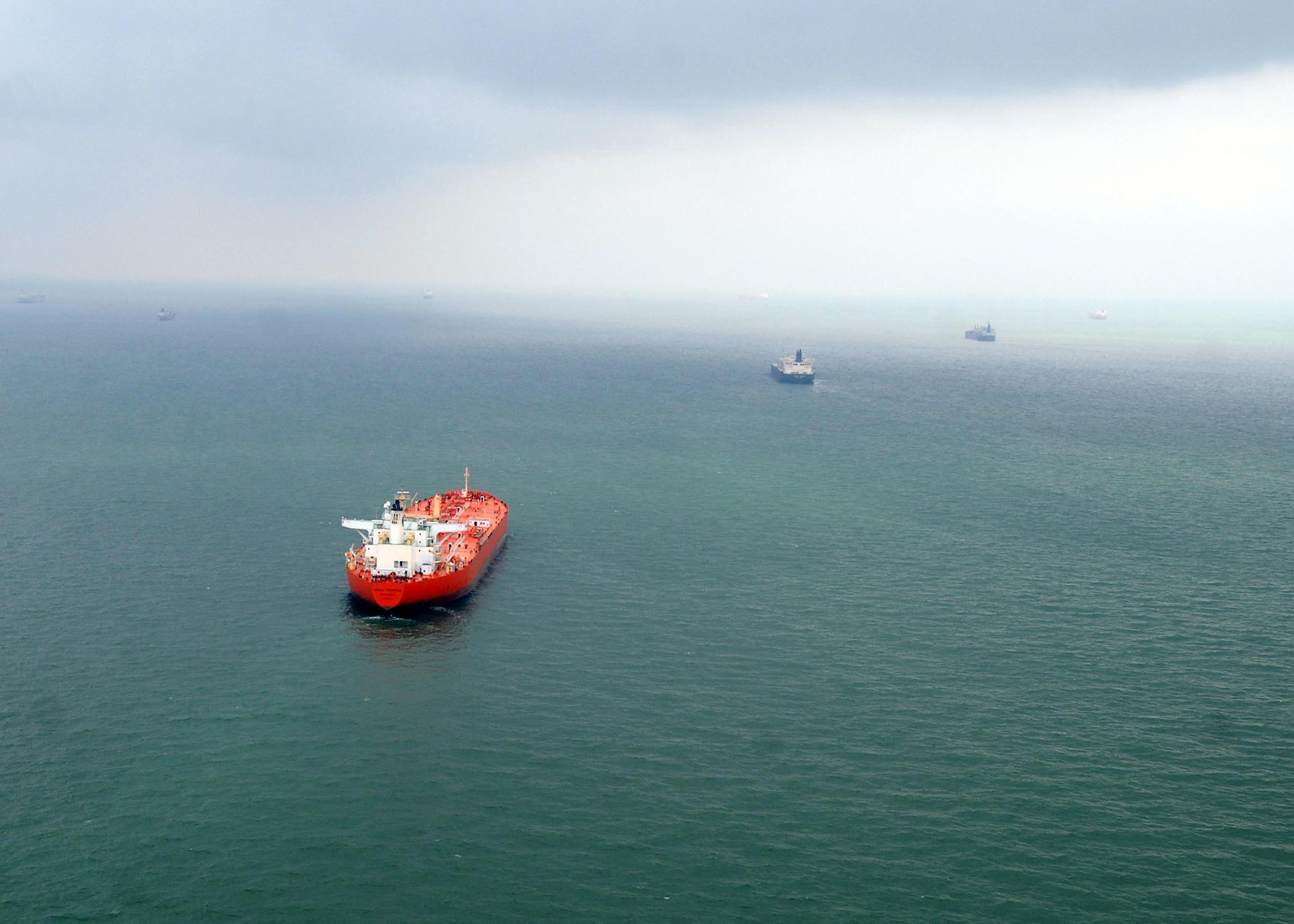
India has repatriated more than 4,000 seafarers and escorted 62 vessels through the Strait of Hormuz. The people who crew the world’s ships, and why they carry the risk.
-

The Senate has blocked a rule giving the White House more control over federally funded research. What a “rule” is, and the real argument about who decides what gets studied.
-
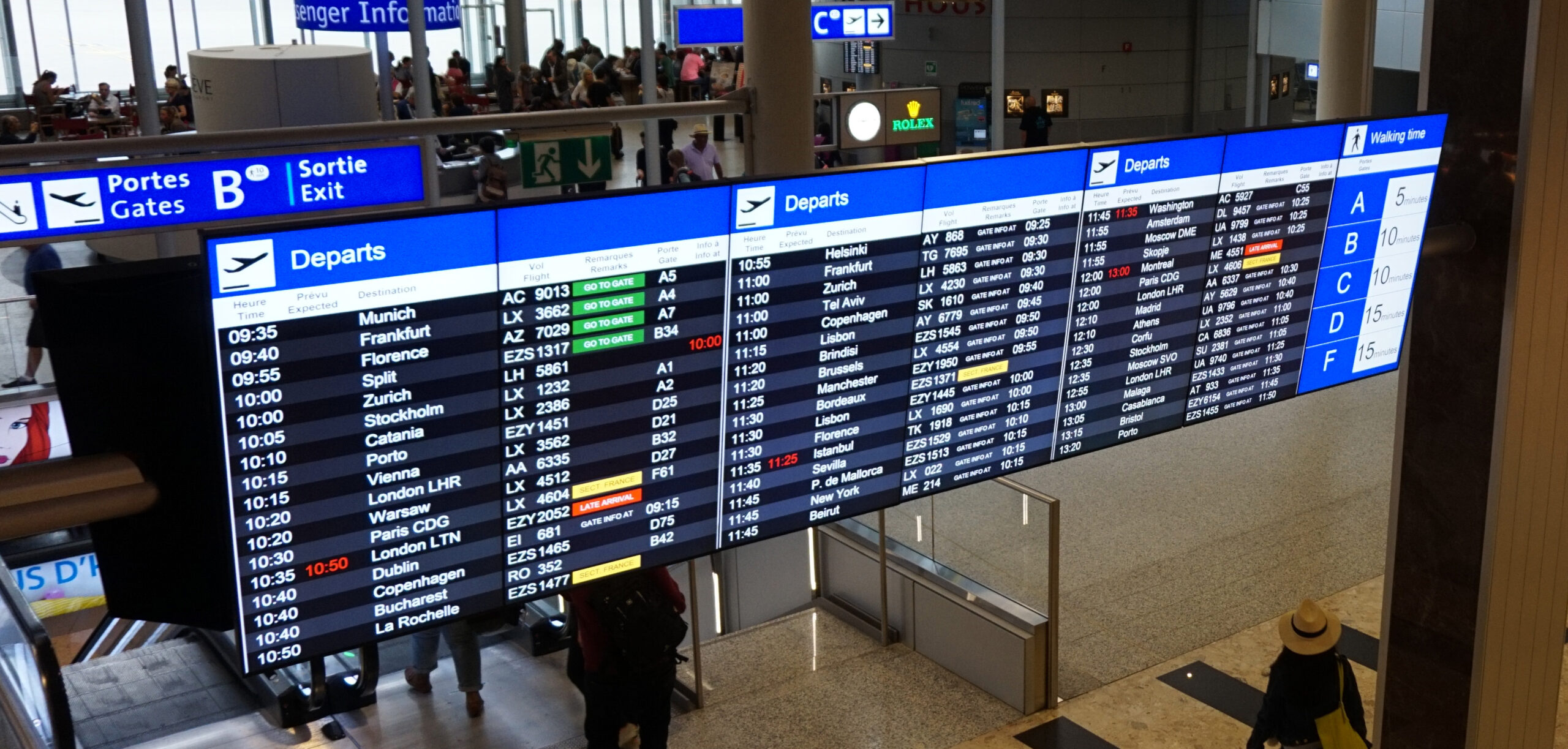
US embassies have told Americans to leave the Middle East, days after a planned strike on Iran was called off. What a departure advisory means — and who has no option to go.
-

More than 20 million pilgrims walked to Karbala for Arba’in — one of the world’s largest gatherings, and this year shaped by the war involving Iran. What the commemoration means.
-

A three-year-old boy and his grandparents were killed by a drone strike in Ukraine. Why casualty lists in this war fall so heavily on the very young and the elderly.
-

A sanctioned tanker carrying a million barrels is sinking off Oman and leaking oil ashore. What the “shadow fleet” actually is, and why these ships spill more and pay less.
-
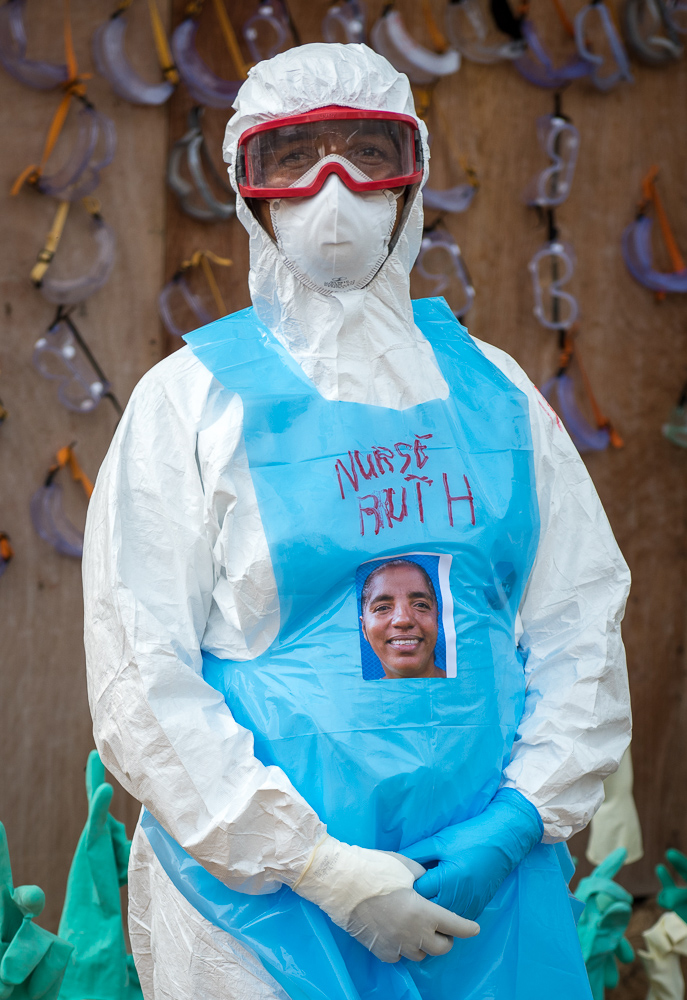
The Bundibugyo Ebola outbreak in DR Congo has reached 3,874 cases and 1,751 deaths — the second-largest on record, and spreading faster than earlier outbreaks. Why this species is harder to fight.