Category: Economy
-
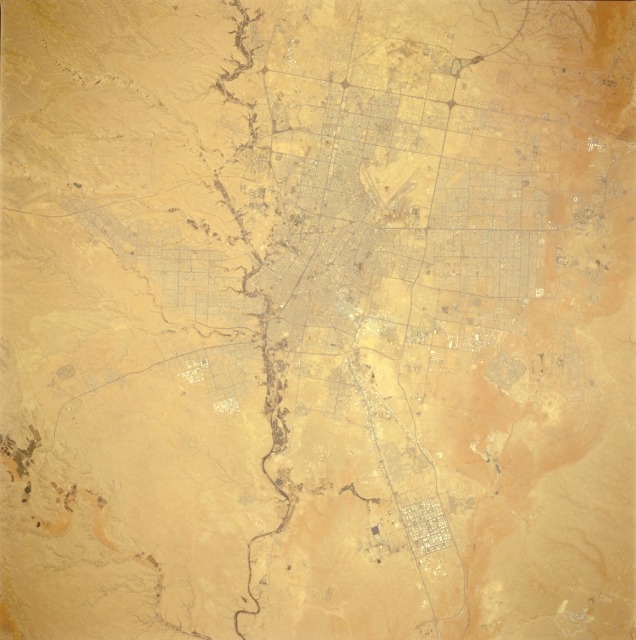
Saudi Arabia has cancelled the 2026 edition of the investment forum known as “Davos in the Desert” amid Houthi attacks. Cancelling a conference is a small act with a large signal attached, and the signal is about insurance and aviation as much as politics.
-

At the IMF and World Bank annual meetings in Bangkok, Kristalina Georgieva warned that low-income countries are caught between inflation, debt and the economic fallout of war. What a “spillover” means in practice, and the long-running argument about what the Fund should do about it.
-
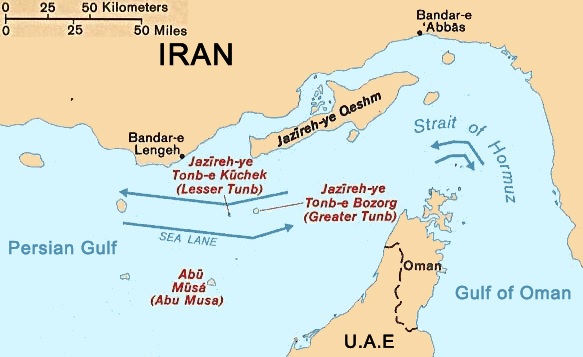
Iran’s Revolutionary Guard says the Strait of Hormuz is closed and that three tankers have been hit, one of them carrying two million barrels on what it called an unauthorised route. Whether a declared closure becomes a real one is decided by insurers, not announcements.
-

French and UK bond yields have hit decades-long highs and the US 30-year mortgage rate is at 7.28 per cent. Bond prices and yields move in opposite directions — and that relationship is how a sell-off in London reaches a mortgage payment in Ohio.
-

Thai factories are suspending operations as orders fall and costs rise. Suspension keeps workers employed on partial pay — which means the distress never reaches the unemployment figures, and the quiet part is when a suspension stops being temporary.
-

Indonesia plans $600m to open bank accounts for 200 million people — about three dollars each. Opening accounts is the easy part. Elsewhere, huge inclusion drives have produced tens of millions of accounts that were never used.
-

Vietnam is planning a campaign urging families to have two children — the same number it once restricted them to. The evidence on whether such campaigns work is not encouraging, and the country faces growing old before it grows rich.
-
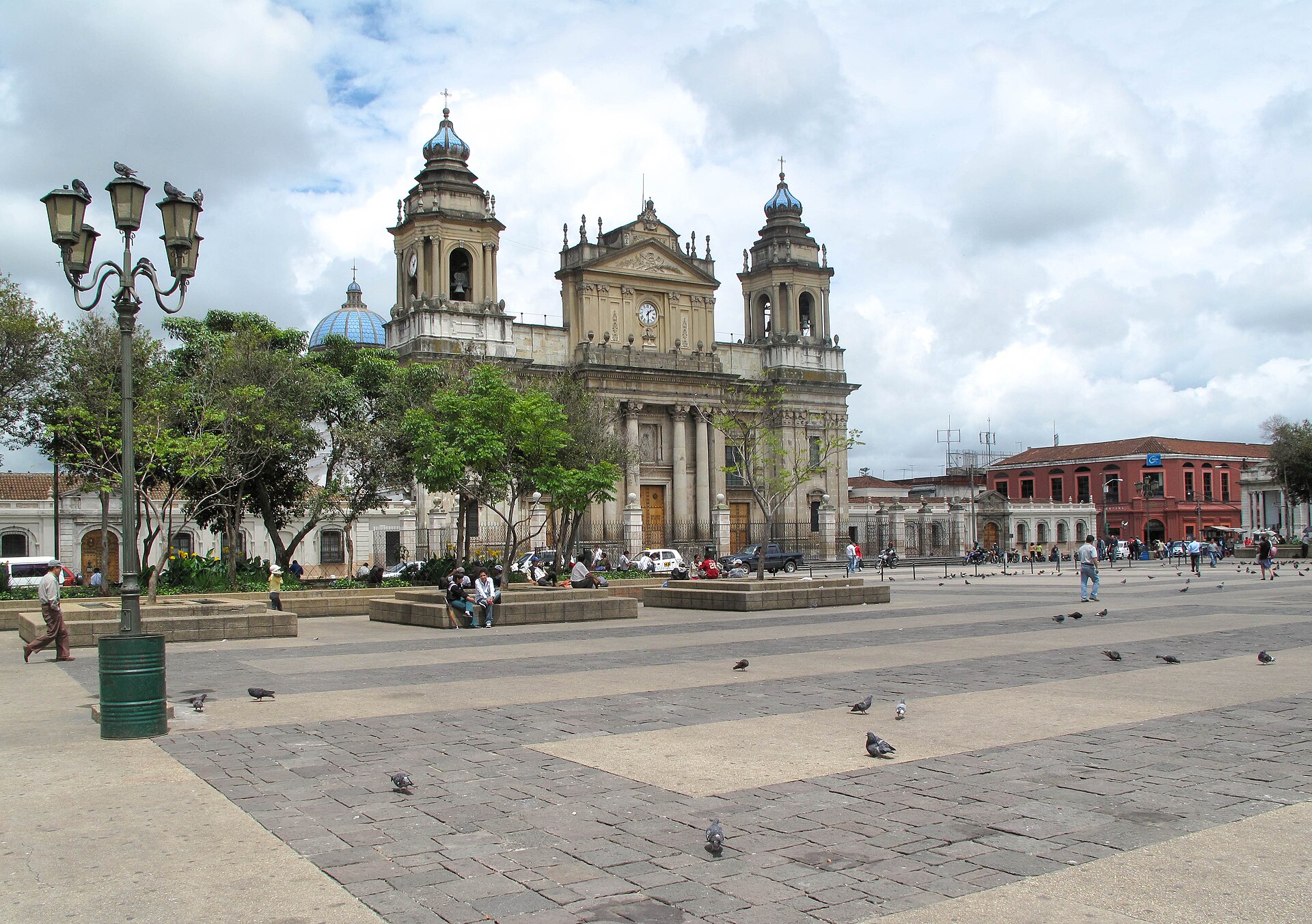
Diesel in Guatemala has gone from 25 quetzales a gallon in January to 46.39 — a record — and the energy ministry blames the Strait of Hormuz. Blockades shut 17 highways. Congress passed a price cap on Tuesday night, and nobody is paying it yet.
-

Japan has eased pressure on companies to keep monthly overtime under 45 hours, citing labour shortages. It reverses a decade of policy built after the karoshi scandals — and it is the fastest of the options a shrinking workforce leaves open.
-

Washington will ban imports of Canadian alcohol, dairy and motorcycles from 29 September, on top of existing 50 per cent tariffs. A ban is not a bigger tariff — it ends the trade, and the supplier relationships that replace it tend to outlast the measure.