Category: World
-
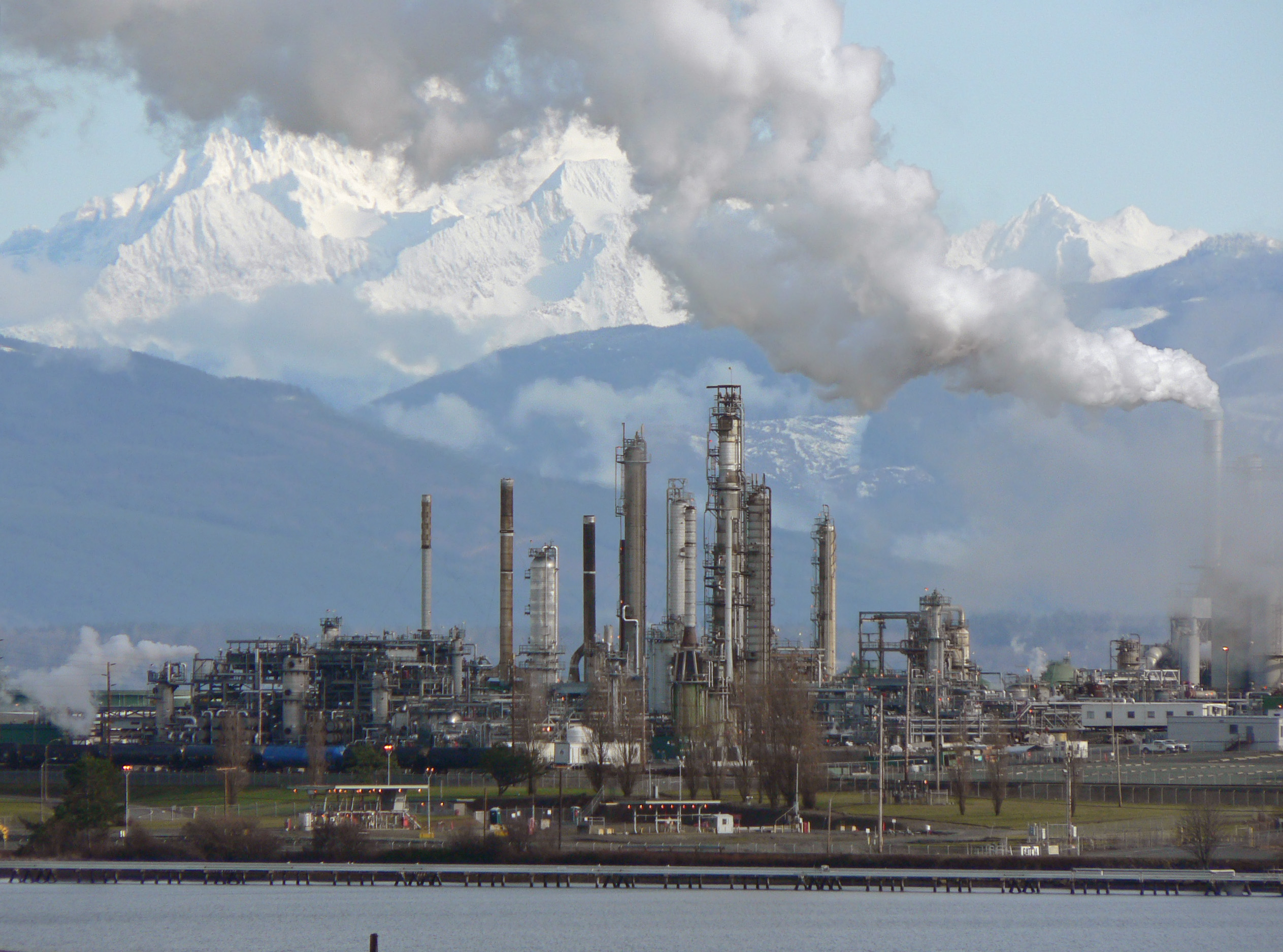
Why refineries, not oil fields, are the target — and the counterintuitive result: strikes on refining can cut a country’s fuel supply while increasing its crude exports.
-
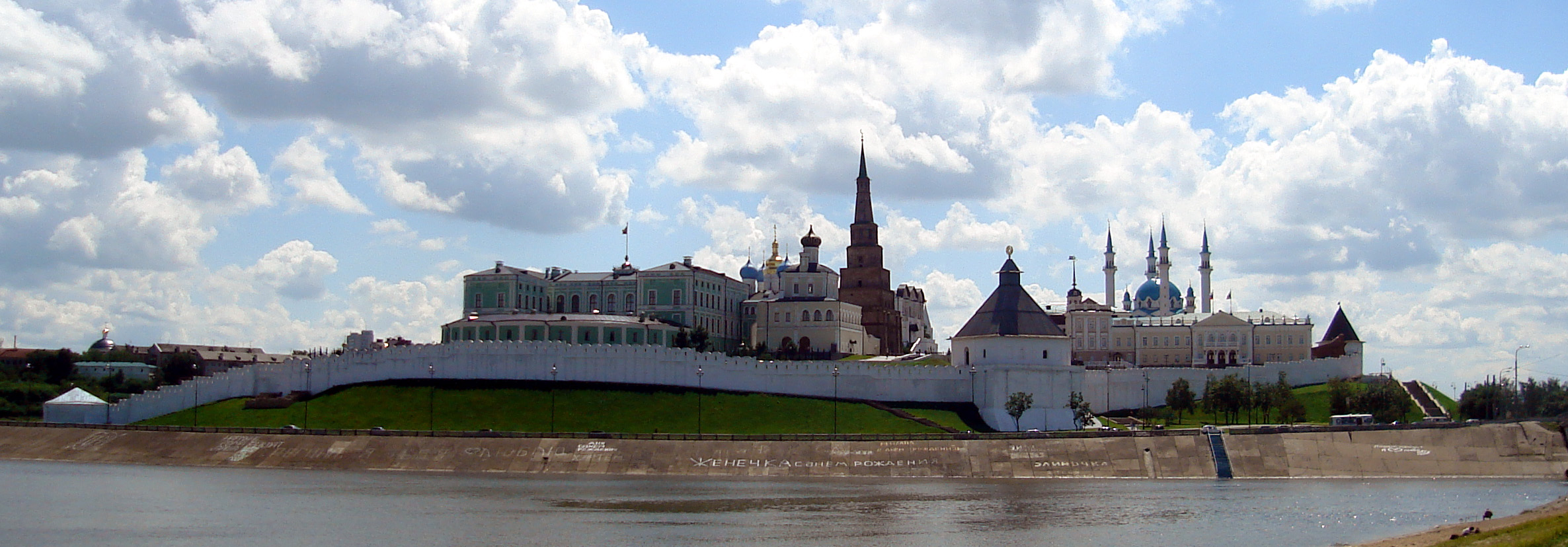
Thirteen people, including a child, were killed in a Ukrainian drone attack on a refinery in Tatarstan. Why refineries are targeted, what “dual-use” means, and why we count all the dead.
-

One person has been killed in a shooting at a government building in Nonthaburi, Thailand, and a former MP is in custody. What is known, and what is not.
-

Countries sign memoranda of understanding constantly. What one actually is, why it isn’t a treaty, and why governments sign documents that don’t legally bind them.
-

A judge has ruled that abuse victims in Vermont can sue individual parishes as well as the diocese. Why diocesan bankruptcies happen, and the question of who owns church property.
-
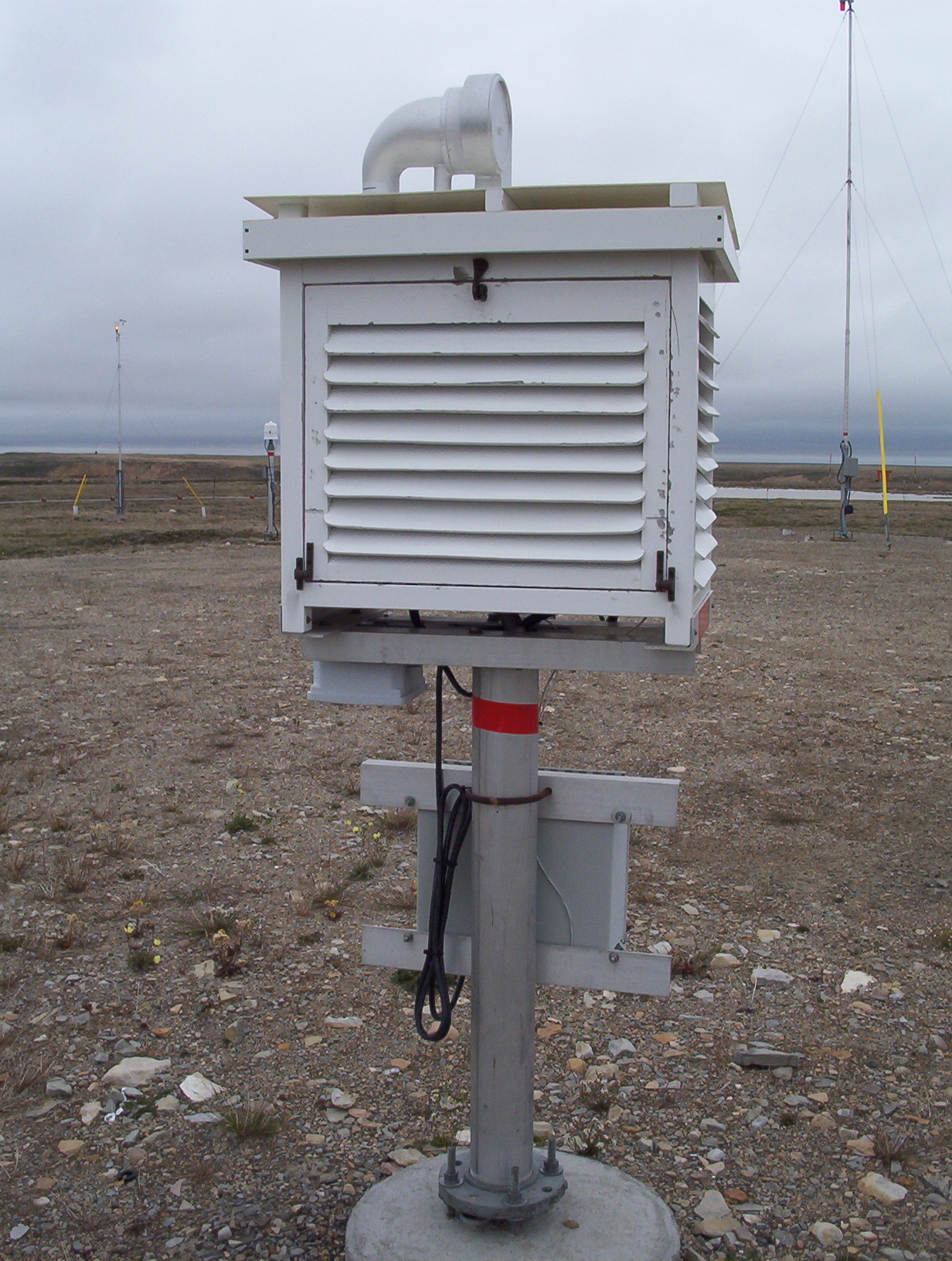
How is a temperature record actually verified? White screens, standard heights, and the painstaking work of keeping a 142-year series comparable.
-

Hong Kong has recorded 36.9°C, its hottest since 1884. Why humidity matters more than the number, why nights decide the death toll, and who is actually at risk.
-
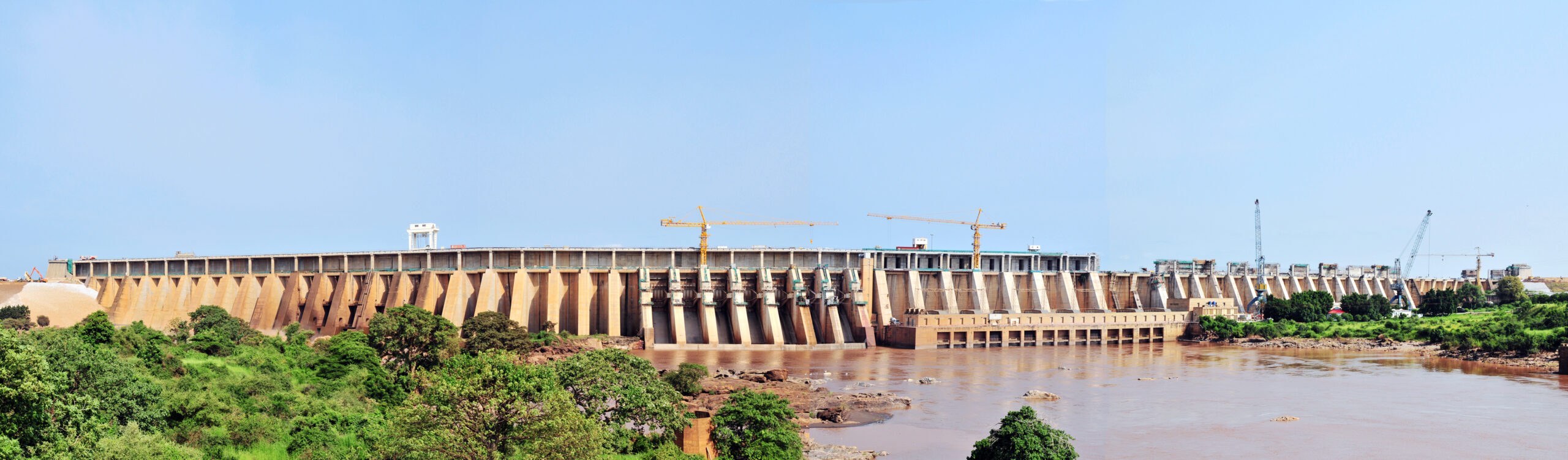
Mass graves of 25 civilians reported executed by the RSF have been found in Kurmuk, Blue Nile. Why “executed” is a specific legal word, and what happens to evidence in a closed war.
-
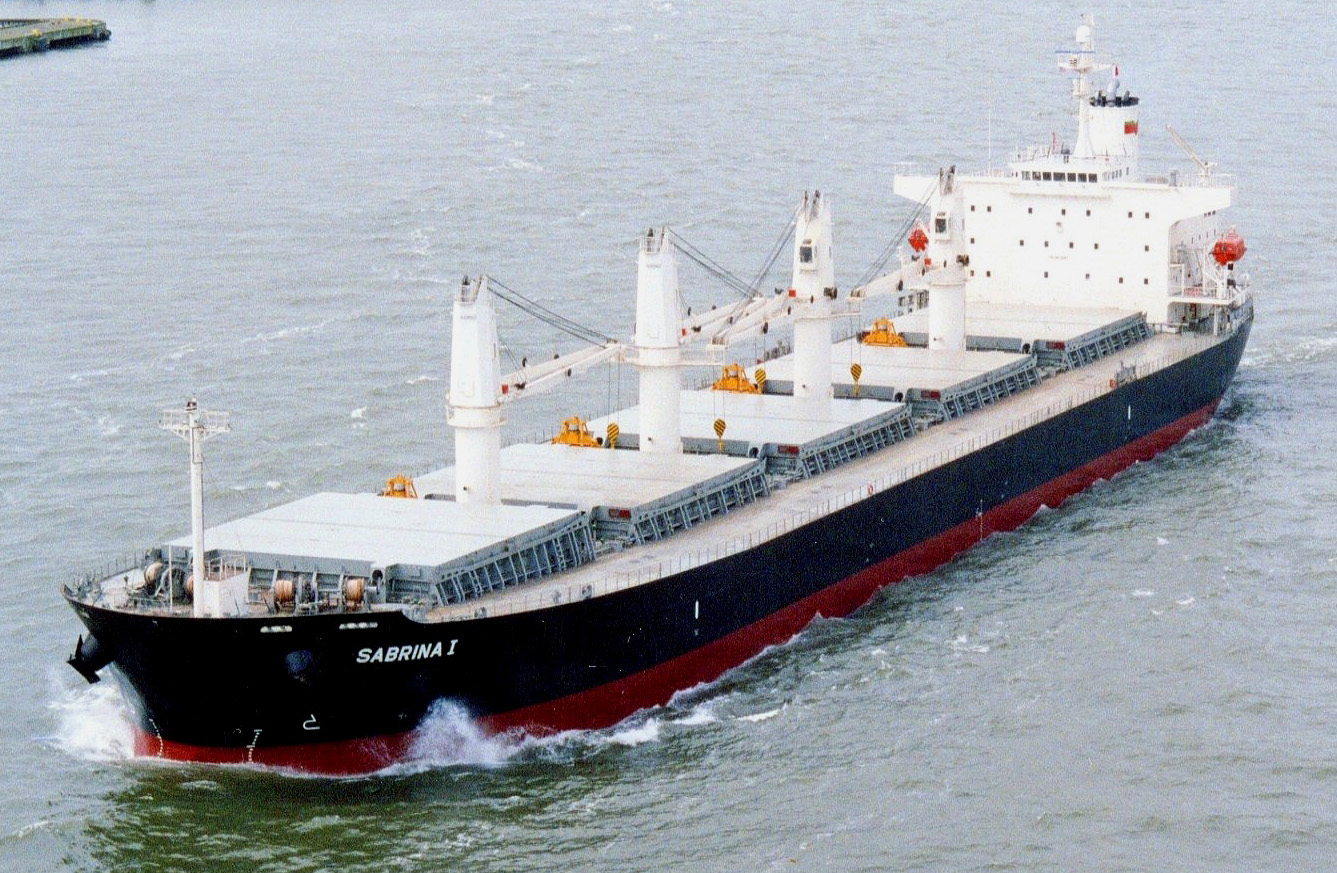
A bulk carrier is missing in the Strait of Hormuz — while Iraq shipped over 30 million barrels through it in a month. How a waterway can be dangerous and busy at the same time.
-
Russia’s bases on the Syrian coast are becoming “joint training centres”. Why that coastline matters to Moscow, and how to tell a real change from a relabelling.