Category: World
-
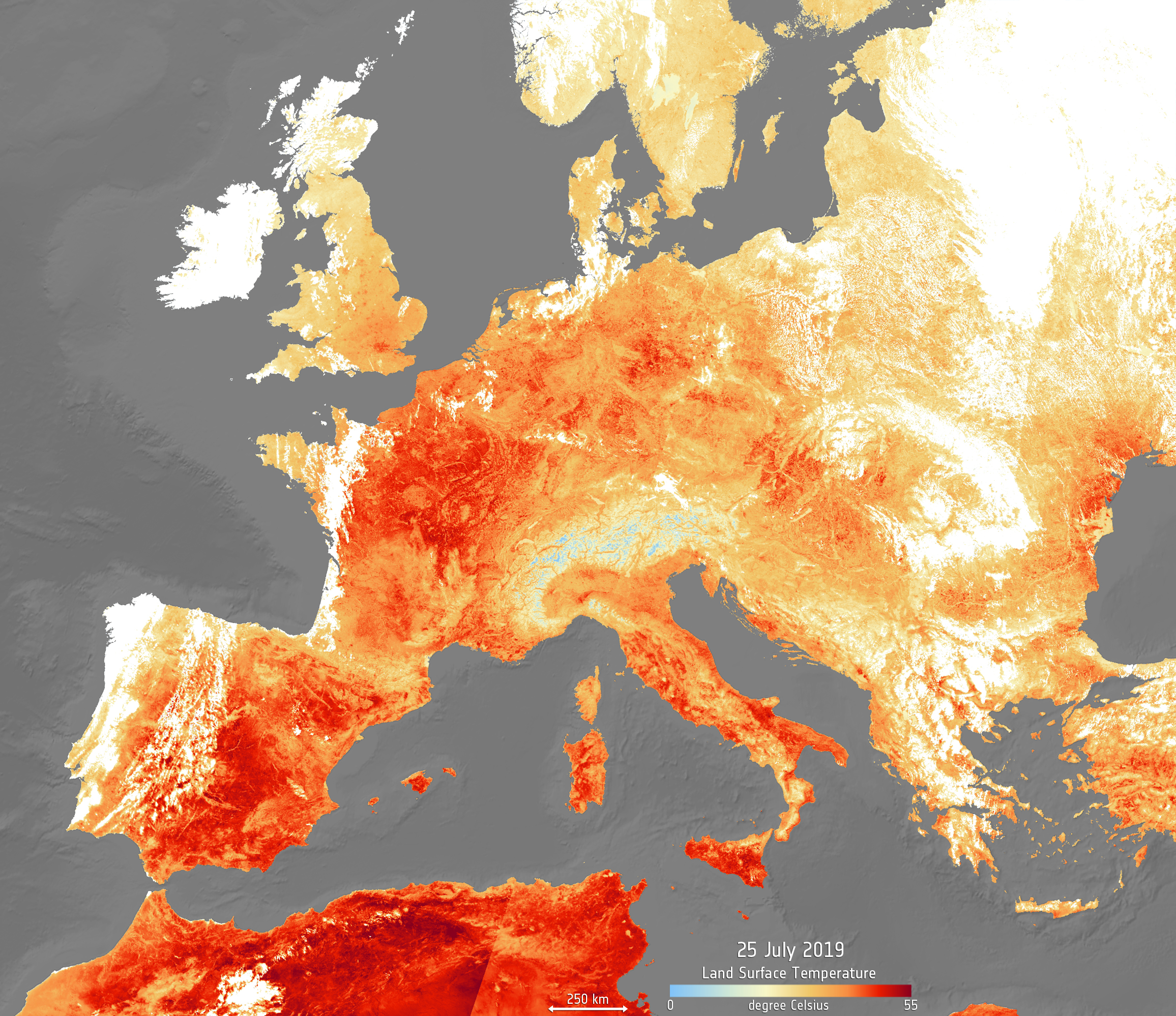
Italy’s health ministry issued red alerts for a record 25 cities in the country’s fourth heatwave of the summer. What a red alert means, and why heat kills more quietly than other disasters.
-

Scotland has refused a licence for the centuries-old guga hunt on Sula Sgeir after bird flu deaths hit the gannet colony. The tradition, the disease, and how conservation decisions like this are made.
-

Michigan has reported the first two deaths in a cyclosporiasis outbreak. What the parasite is, how people catch it, who is most at risk — and why washing salad isn’t the whole answer.
-
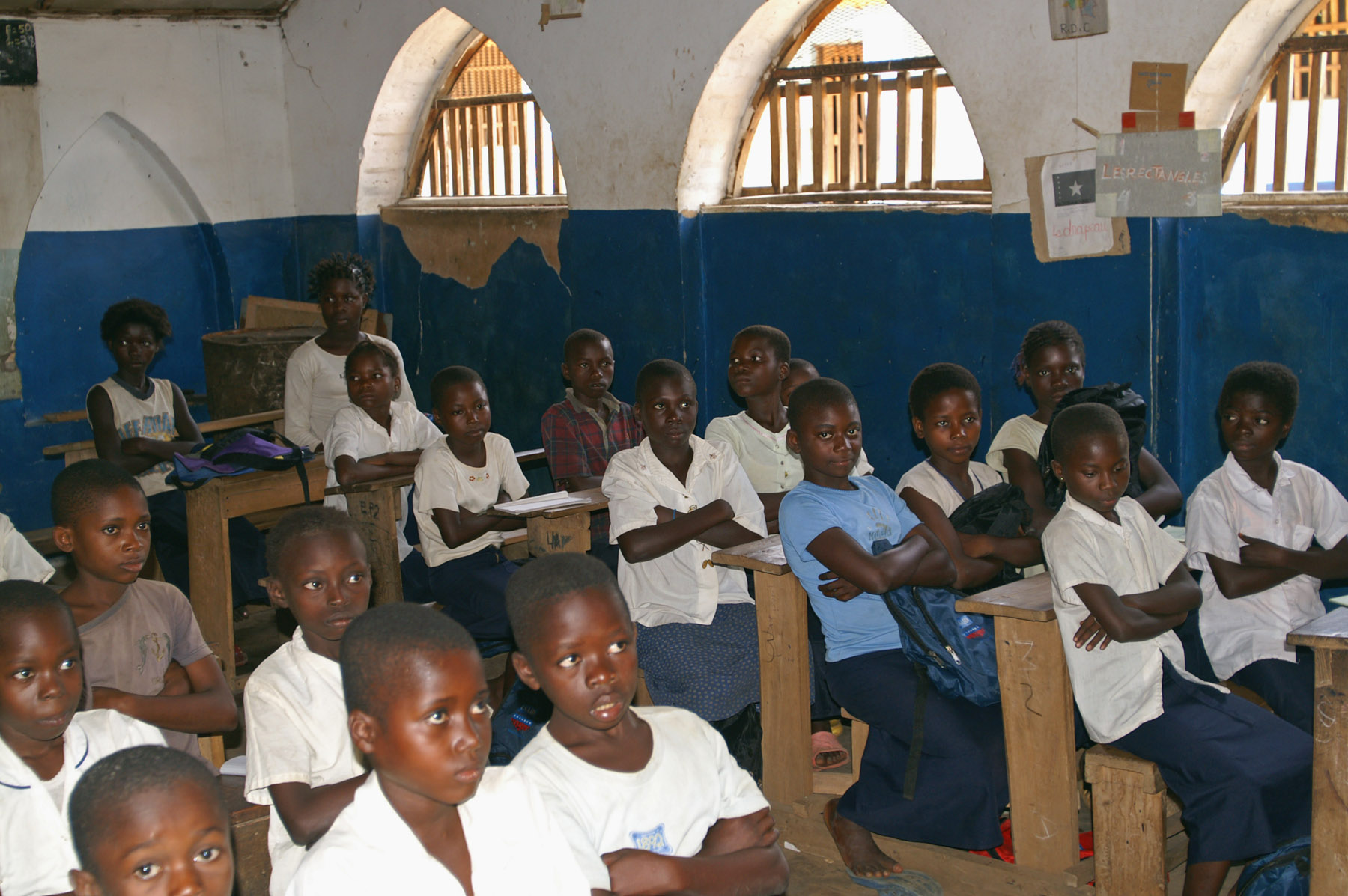
The UN says at least 8 million Sudanese children are out of school as war drives mass displacement. Why lost schooling is an emergency in itself — and why this war gets so little coverage.
-
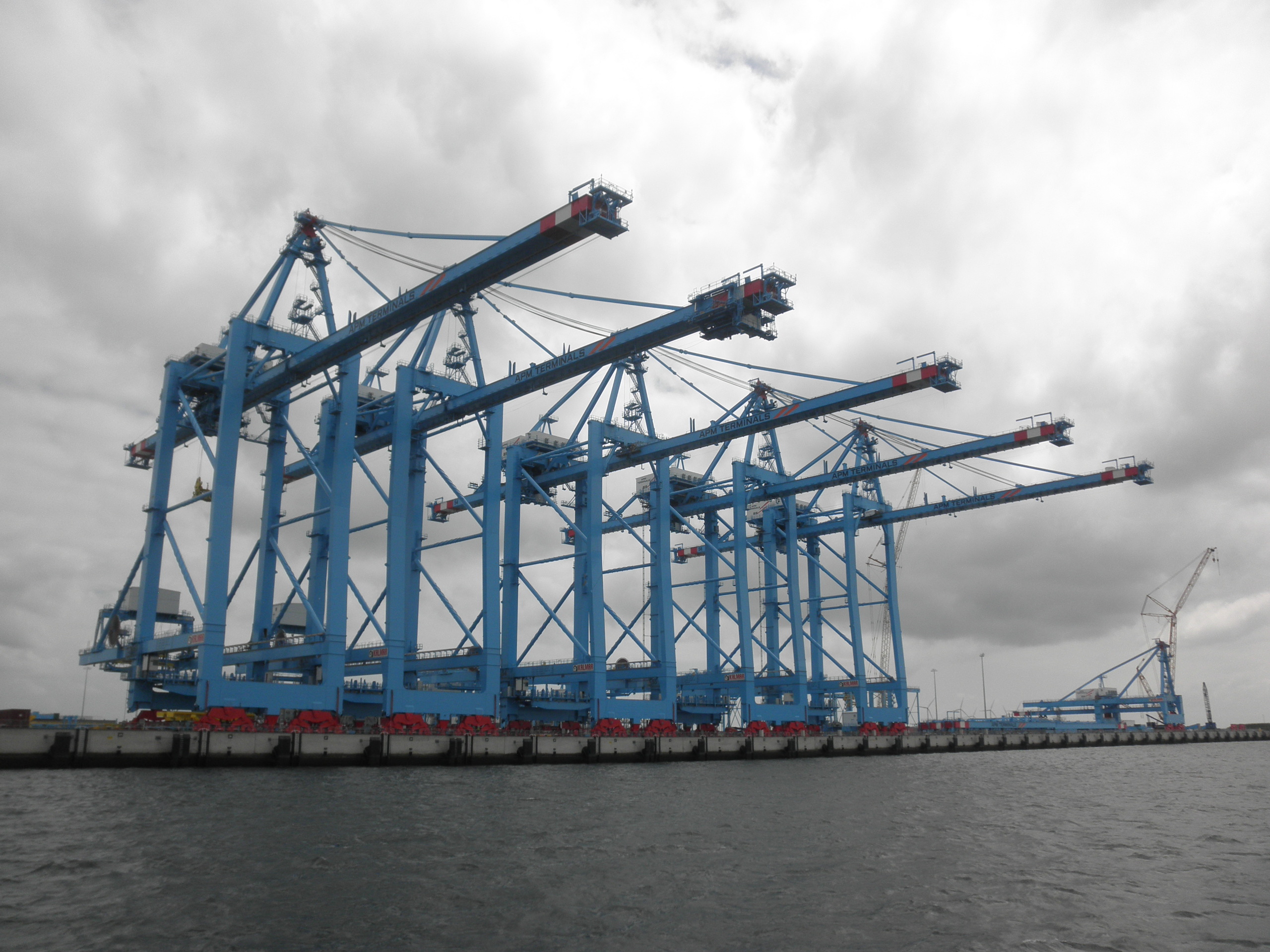
An LNG tanker hit, a bulk carrier missing, drones intercepted over Kuwait. Why attacks on shipping in the Strait of Hormuz raise your energy bill even if nothing else is struck.
-
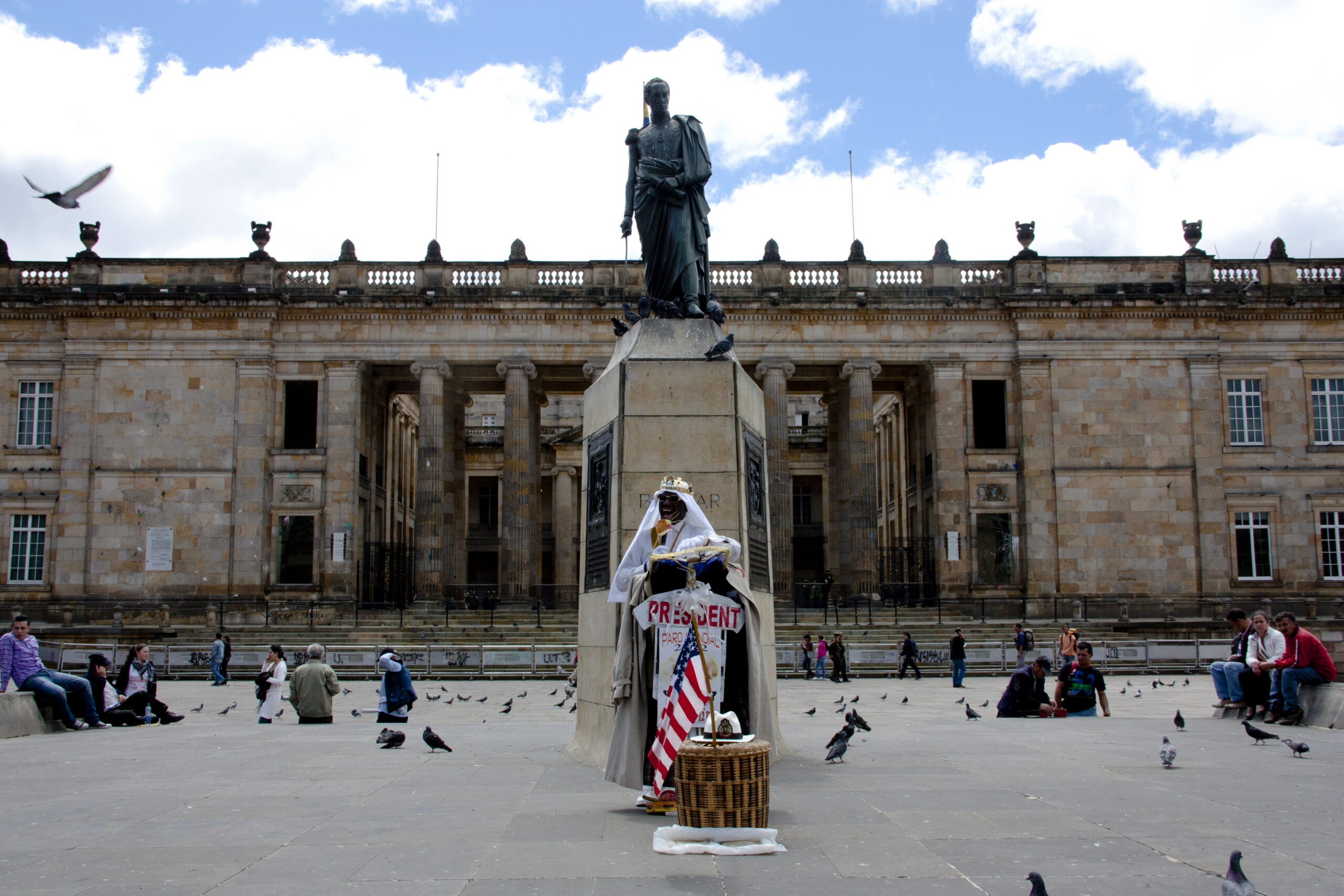
Abelardo de la Espriella was sworn in as Colombia’s president outside Bogotá, breaking a century-old tradition. Why the setting of an inauguration is itself a political message.
-
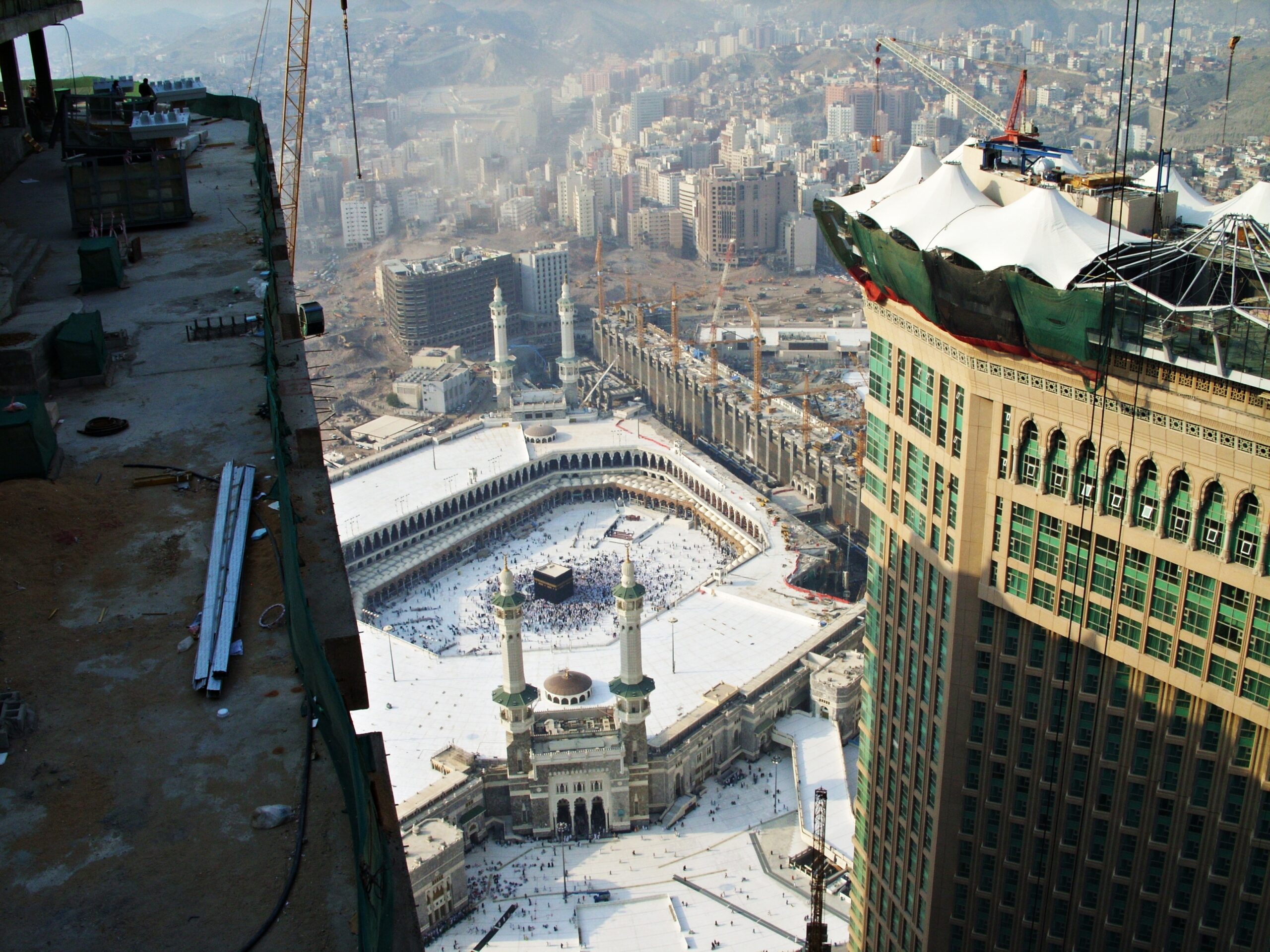
Türkiye, Saudi Arabia and Pakistan signed the Makkah Joint Defense Agreement, declaring an attack on one an attack on all. What collective defence means, why these three, and why the timing matters.
-
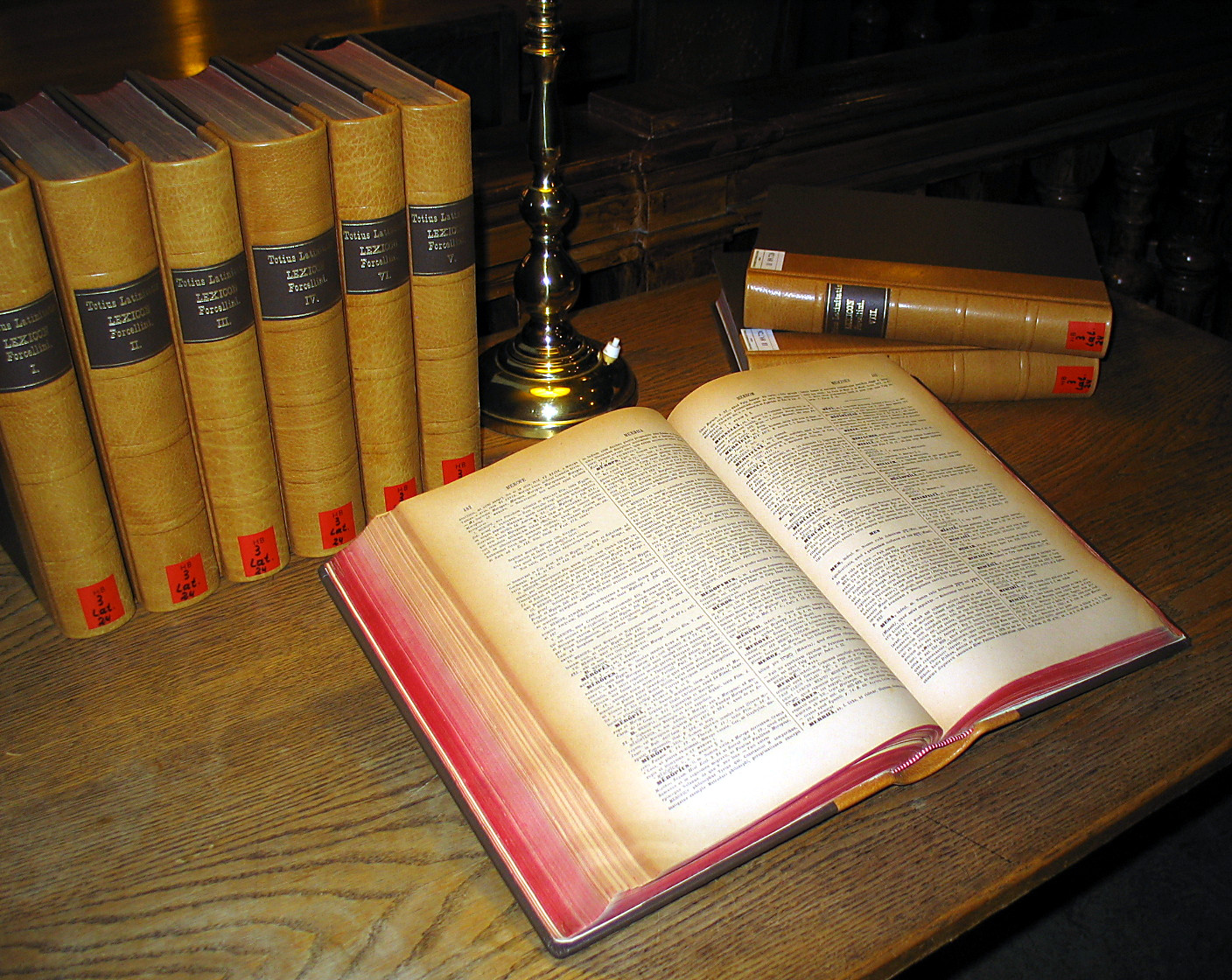
Ceasefire, truce, sanctions, extradition, executive order, war crime — the words news reports assume you already know, explained plainly, with examples from this week’s stories.
-
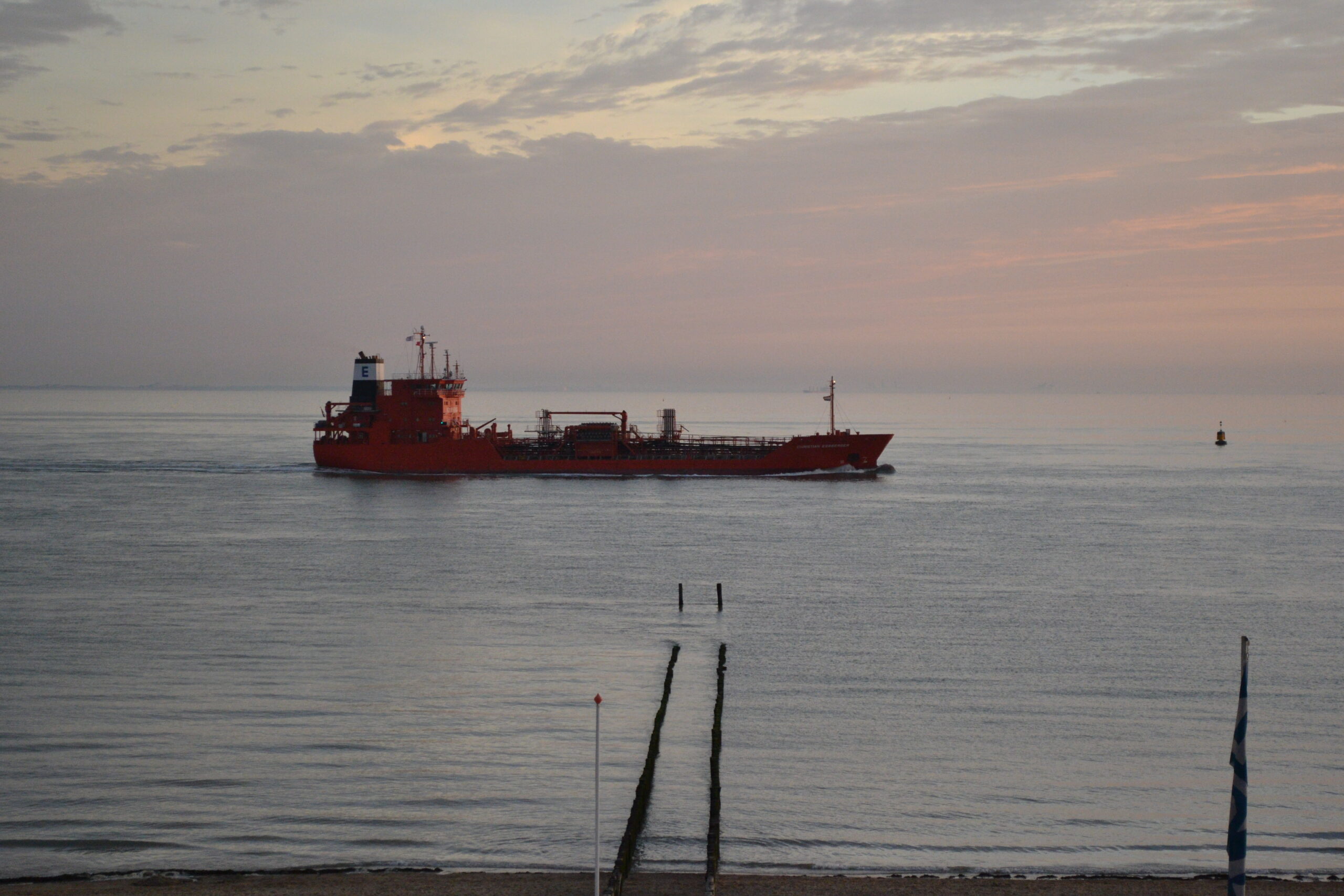
Saudi Arabia says Houthi attacks reached the kingdom this week. Why Saudi Arabia is in this war, and how fighting in Yemen reaches global oil prices within hours.
-

A candidate won a US primary campaigning against data centres. What data centres are, why residents fight them over power and water bills, and why the same argument is heading to Europe.