Category: World
-

Iran says it will reopen the Strait of Hormuz if the US lifts sanctions, ends the naval blockade and halts military action — hours after an ADNOC vessel was hit by a missile there.
-
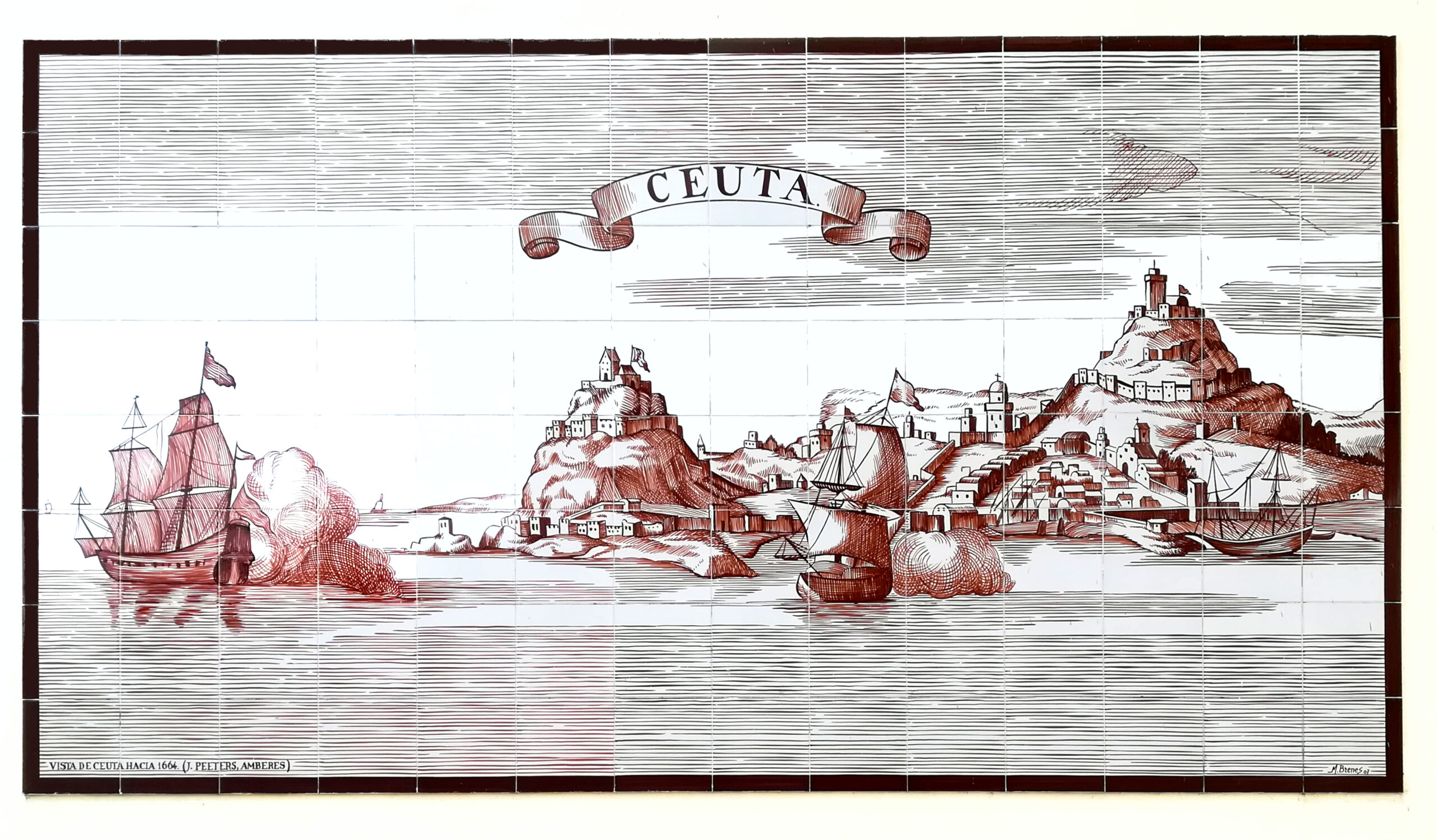
Spain and Italy have imposed border checks on each other’s travellers after the mass arrival of migrants in Ceuta — inside a zone built to abolish exactly those checks.
-
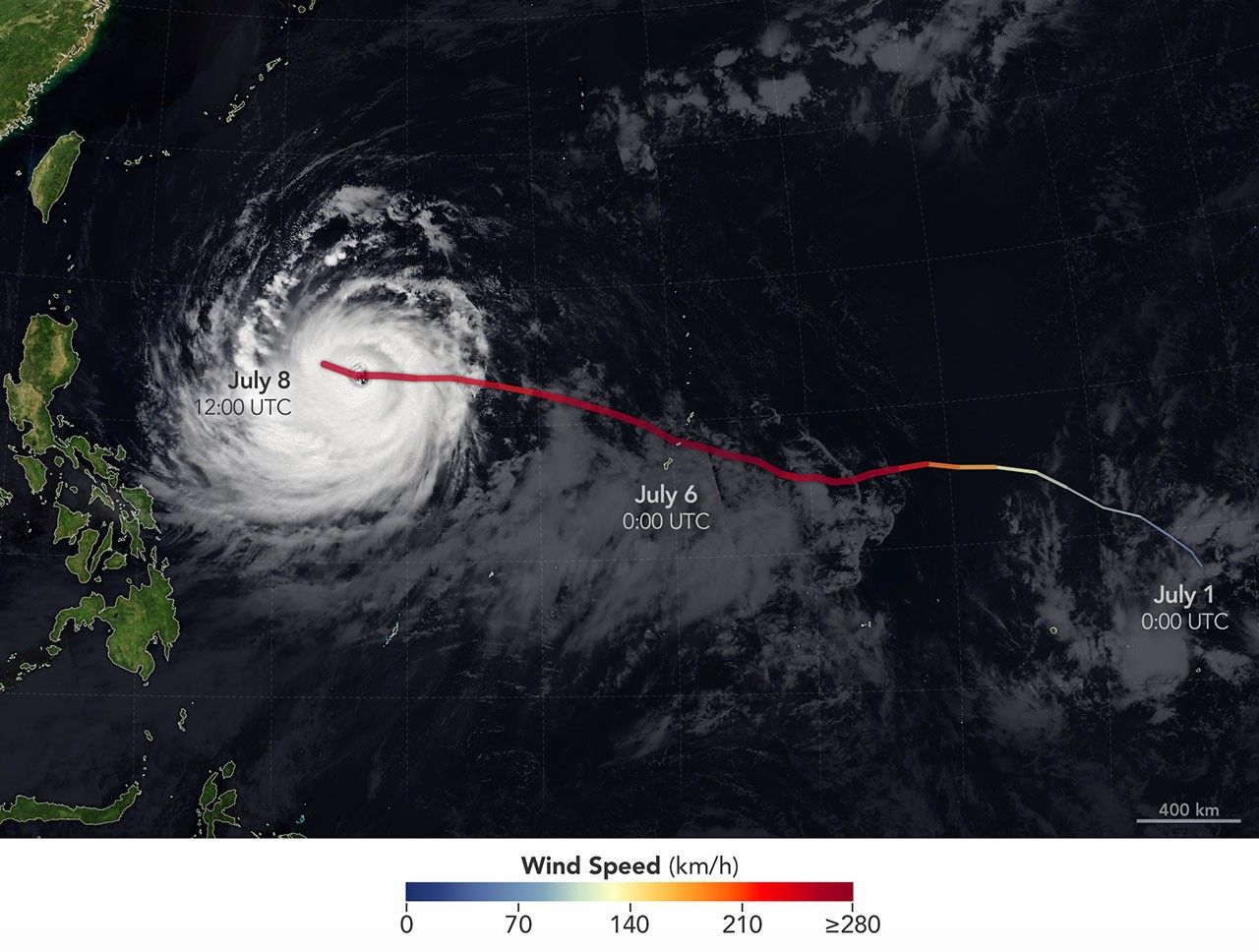
Typhoon Dolphin has struck Japan’s Ryukyu Islands, and China closed ports and ferry routes across the East China Sea. Why preparations cover a far wider area than the storm itself.
-
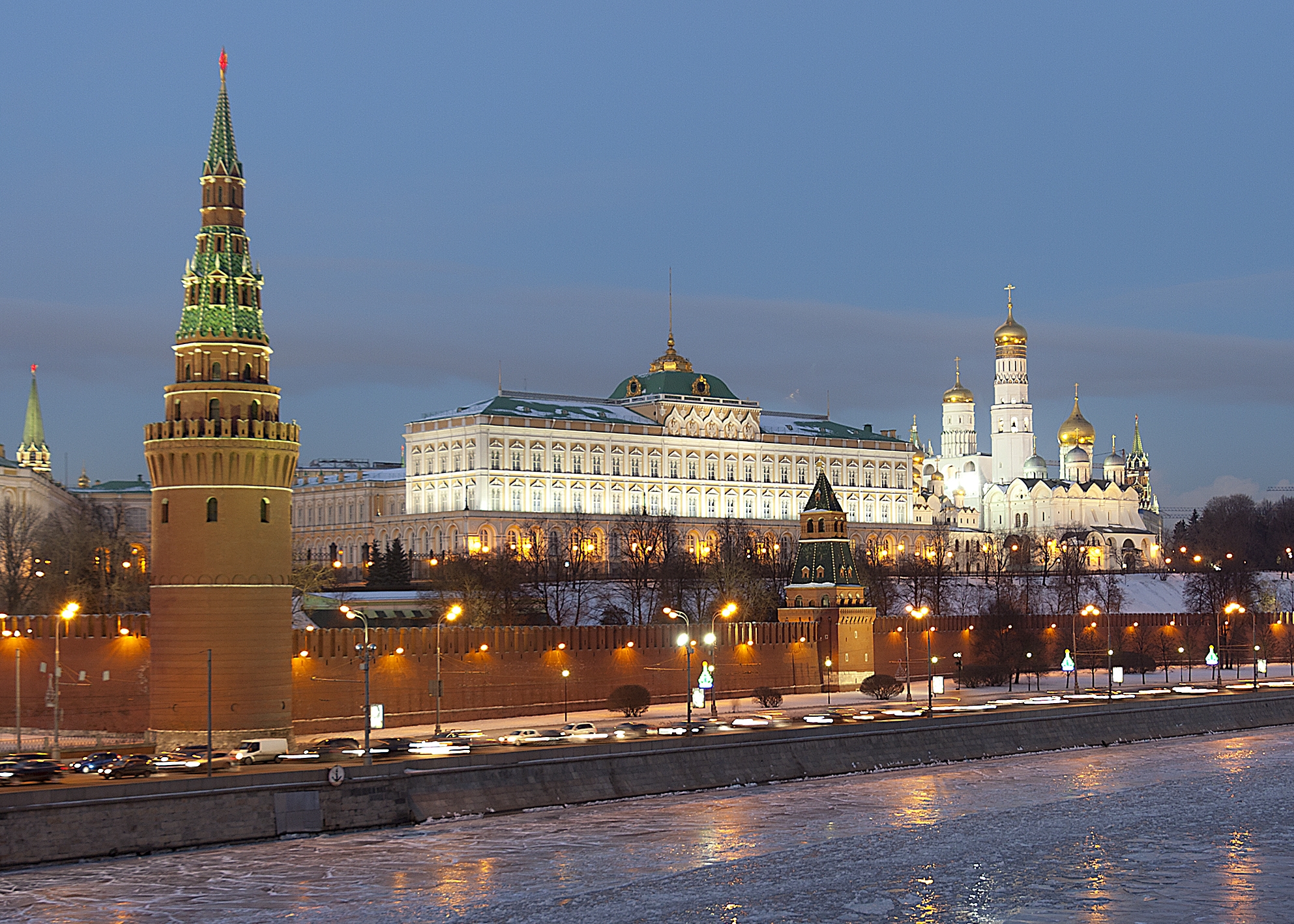
Boris Nadezhdin, the politician who tried to run against Putin on an anti-war platform in 2024, says he has left Russia. Who he is, why his campaign mattered, and what his exit removes.
-
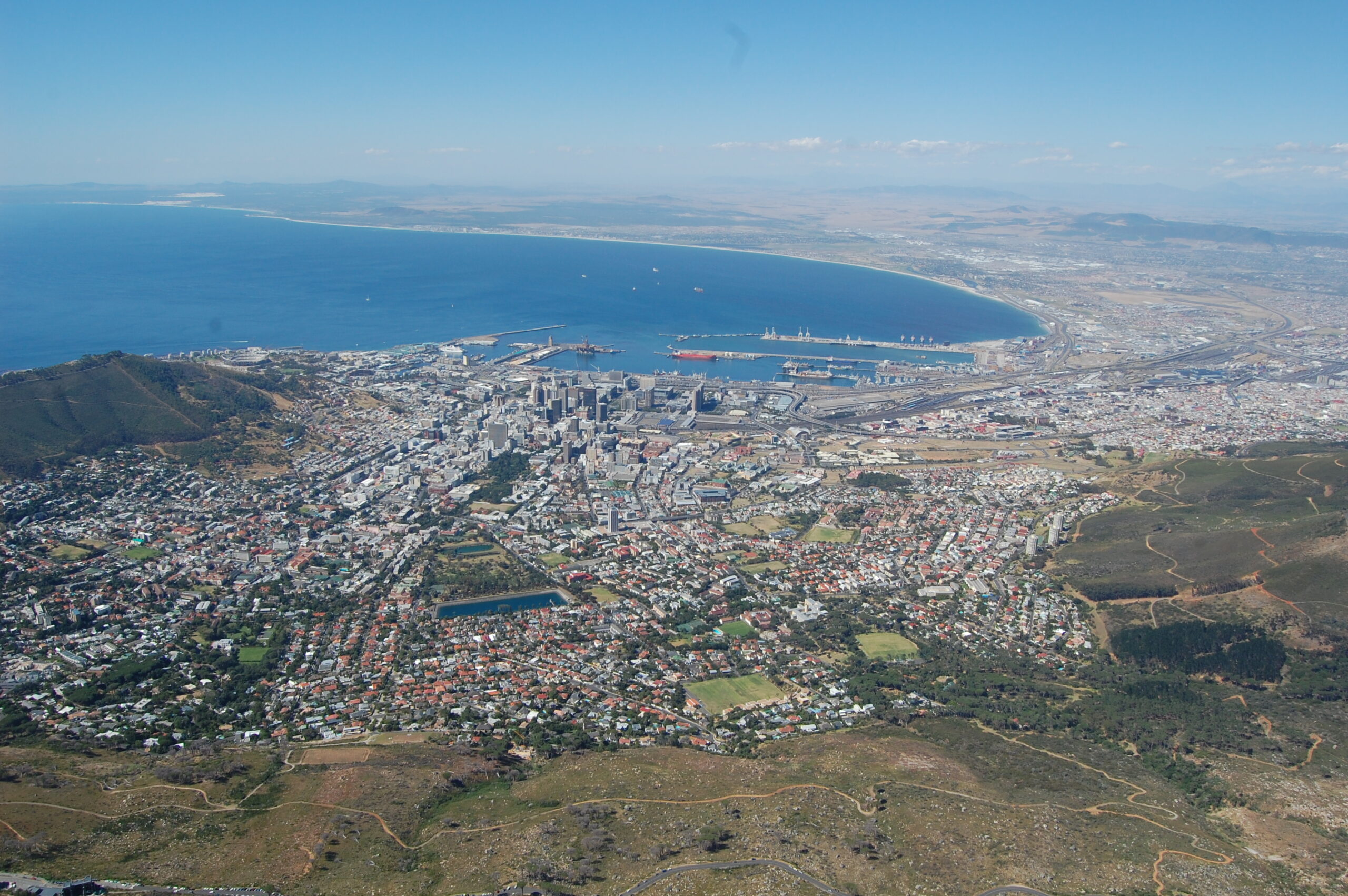
More than 170 people murdered in South Africa’s Western Cape in two weeks. Why the violence is so concentrated, what makes it resistant to crackdowns, and why it rarely leads world bulletins.
-

Kuwait intercepted drones this week; Germany found one carrying explosives by a runway. How drone defence actually works — detection, interception, and the cost imbalance that makes it so hard.
-
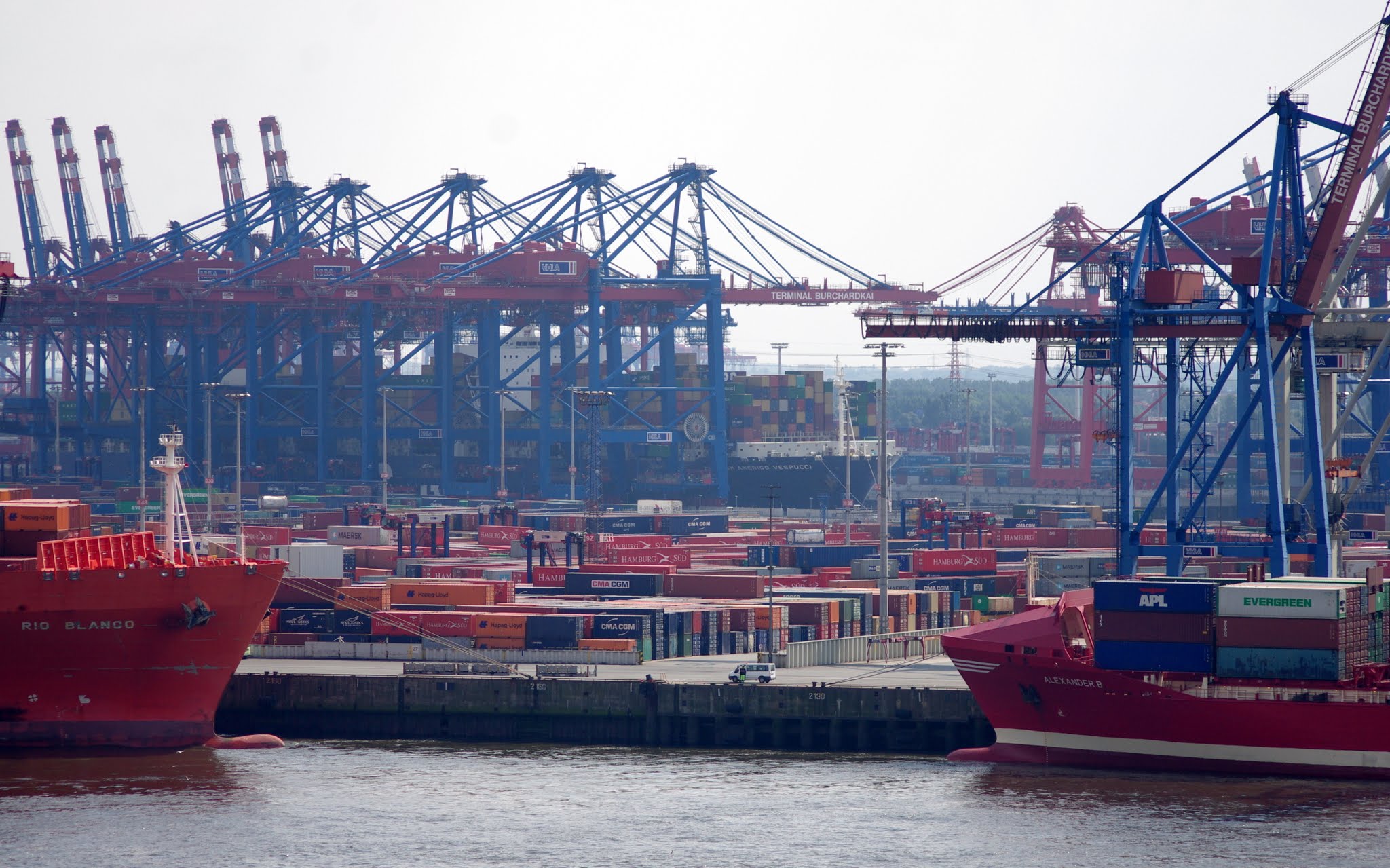
A ship is hit far away and fuel gets pricier at home. War-risk premiums, rerouting and trader expectations — the three-step mechanism that turns distant danger into your energy bill.
-

A German diocese criticised a donor who offered money in exchange for baptisms. Why paying for a sacrament has a name — simony — and why churches have banned it for centuries.
-
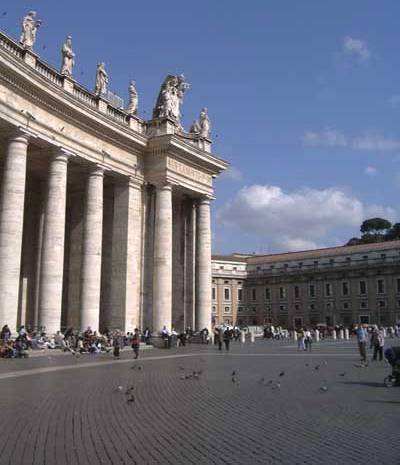
The Vatican has confirmed Pope Leo XIV will meet abuse victims during his visit to France. Why these meetings have become standard, what survivors say about them, and why papal trips are diplomatic events too.
-
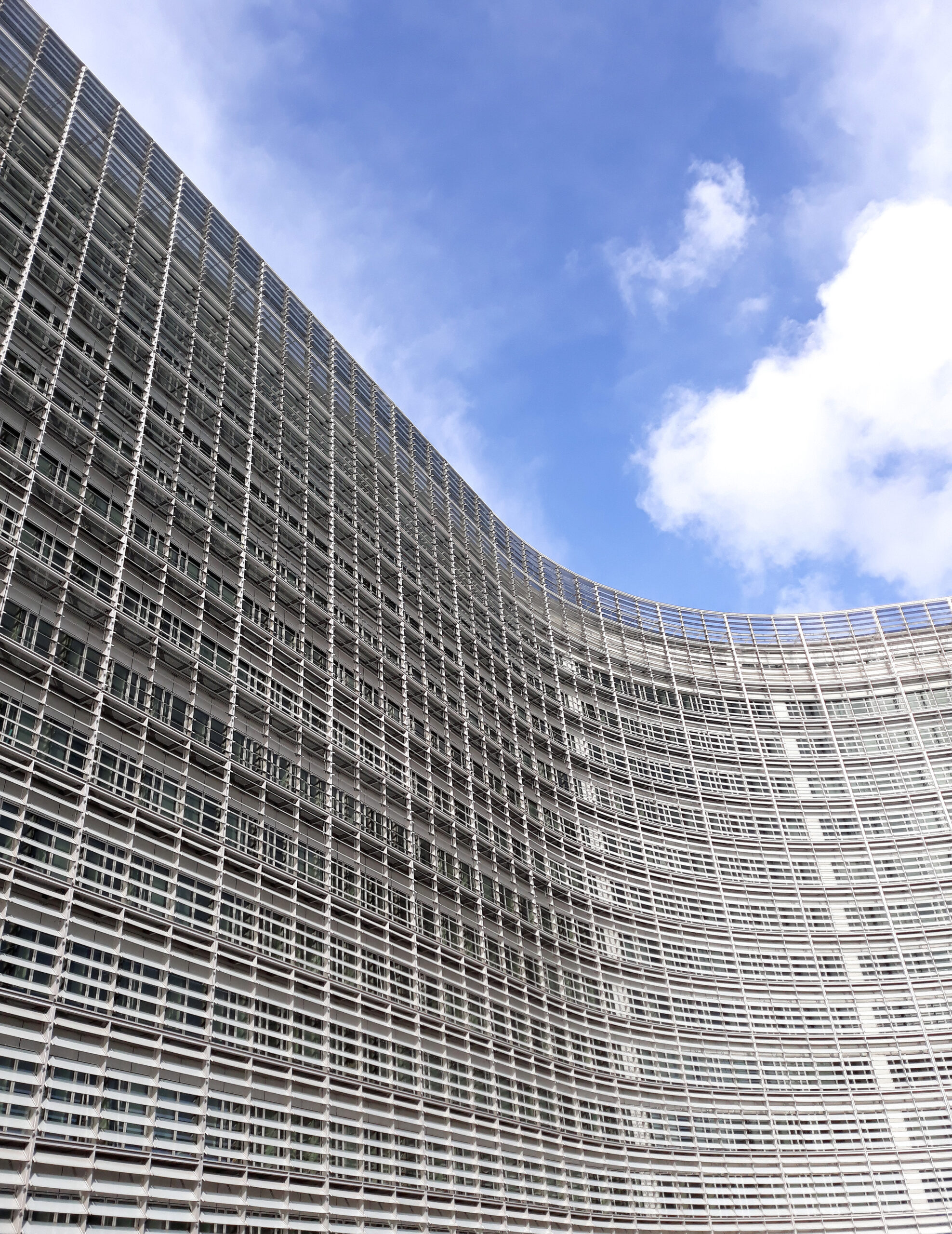
Poland is appealing a Brussels ruling ordering it to pay €1.3 billion for COVID vaccine doses it doesn’t want. How advance purchase contracts worked, and why both sides have a real case.