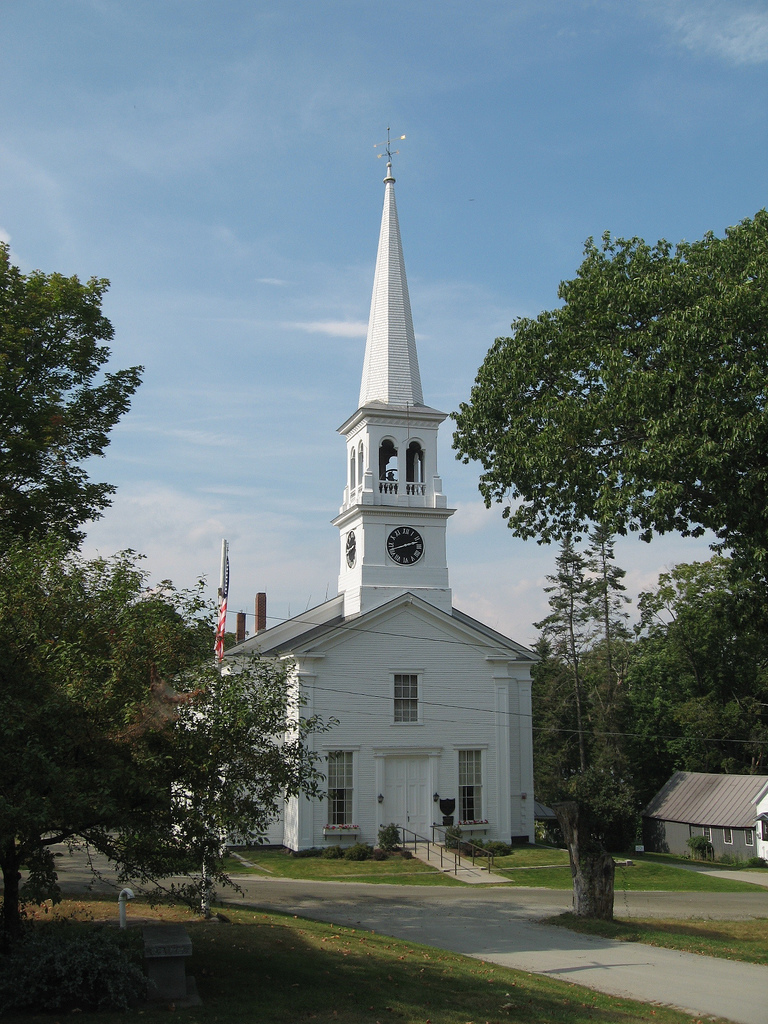
A federal bankruptcy judge has ruled that abuse victims in Vermont may sue individual Catholic parishes as well as the diocese itself.
It is a technical decision about corporate structure, and it could substantially change what survivors are able to recover.
Advertisement — ad space reserved
Why bankruptcy comes into it
A number of Catholic dioceses in the United States have filed for bankruptcy protection while facing abuse claims. The mechanism is worth understanding, because it is frequently misdescribed.
Filing does not mean an organisation has no money. It pauses lawsuits and moves all claims into a single court process, where available assets are divided among claimants and the organisation continues operating afterwards.
Supporters argue this treats claimants equally — without it, the first to reach trial could exhaust the funds, leaving later claimants nothing. Critics argue it caps total liability, ends public trials that would have produced testimony and documents, and shifts the process into a forum where the institution has more control.
The question of who owns what
This ruling turns on a structural question that recurs across these cases: whether a diocese and its parishes are one entity or many.
Dioceses have generally argued that individual parishes are separate legal entities, holding their own property, and so are not part of the diocese’s bankruptcy — nor available to satisfy its debts. Claimants have argued the opposite: that parishes operate under diocesan authority in practice, and that treating them as separate lets the assets be placed beyond reach.
The practical stakes are large. Parish buildings and land are often where the real value sits.
What this ruling changes
By allowing suits against parishes in addition to the diocese, the court has opened a route that the bankruptcy filing would otherwise have closed.
For survivors, that may mean access to assets that would have been unavailable. For parishes, it raises the prospect of individual congregations facing claims arising from conduct decided and concealed elsewhere — which is a genuine hardship for ordinary parishioners who had no part in any of it.
Both of those things are true at once, and the ruling does not pretend otherwise. Someone bears the cost of historic wrongdoing, and the question courts keep having to answer is who.
This is a first-instance decision and can be appealed. It is not the end of the matter.
Source: Catholic World Report, 5 August 2026.
Advertisement — ad space reserved
Leave a Reply