Category: World
-
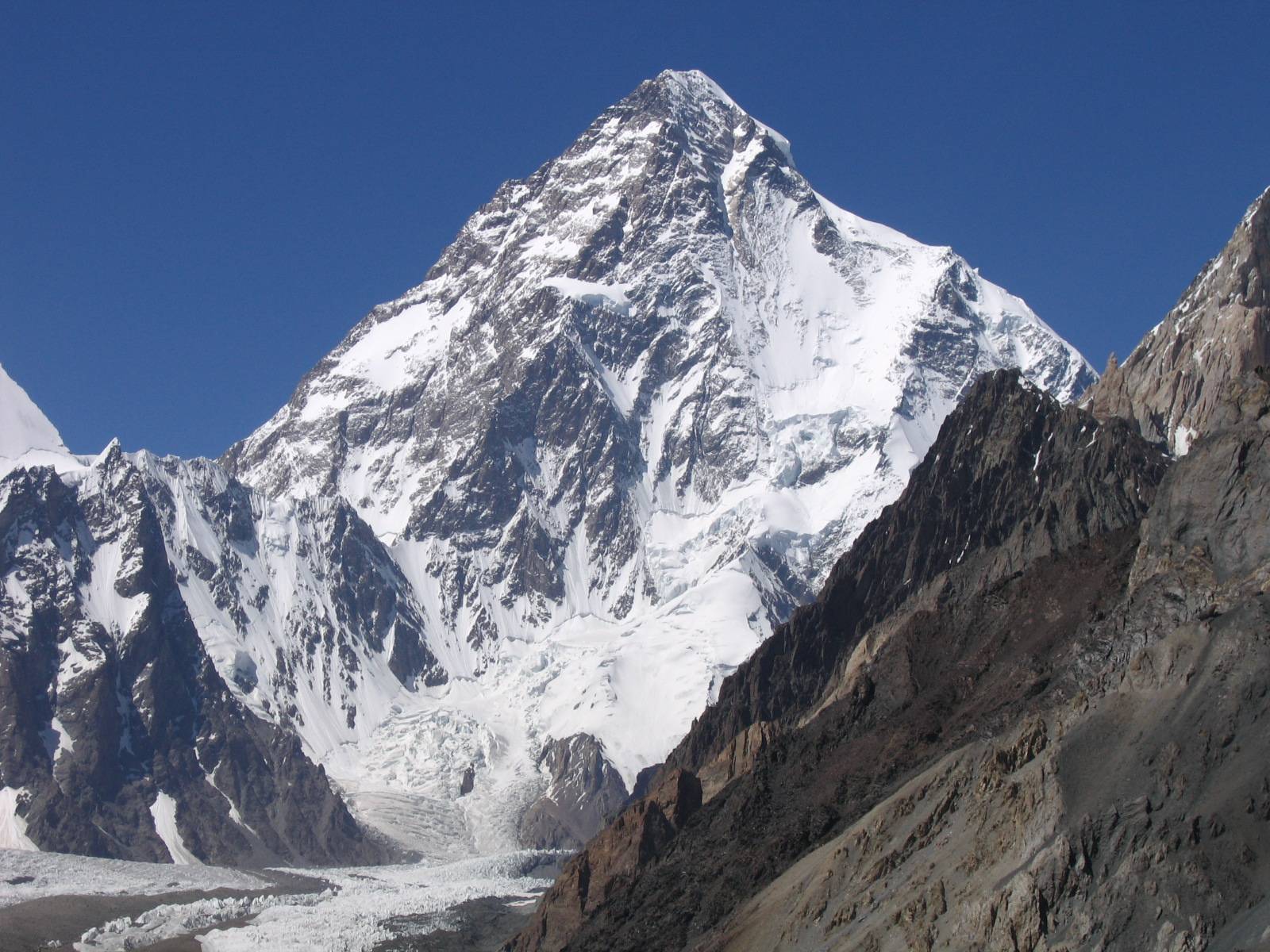
Ten climbers have died in an avalanche on Broad Peak. What happens to the body above 8,000 metres, why helicopters can barely fly there, and who actually dies on these mountains.
-
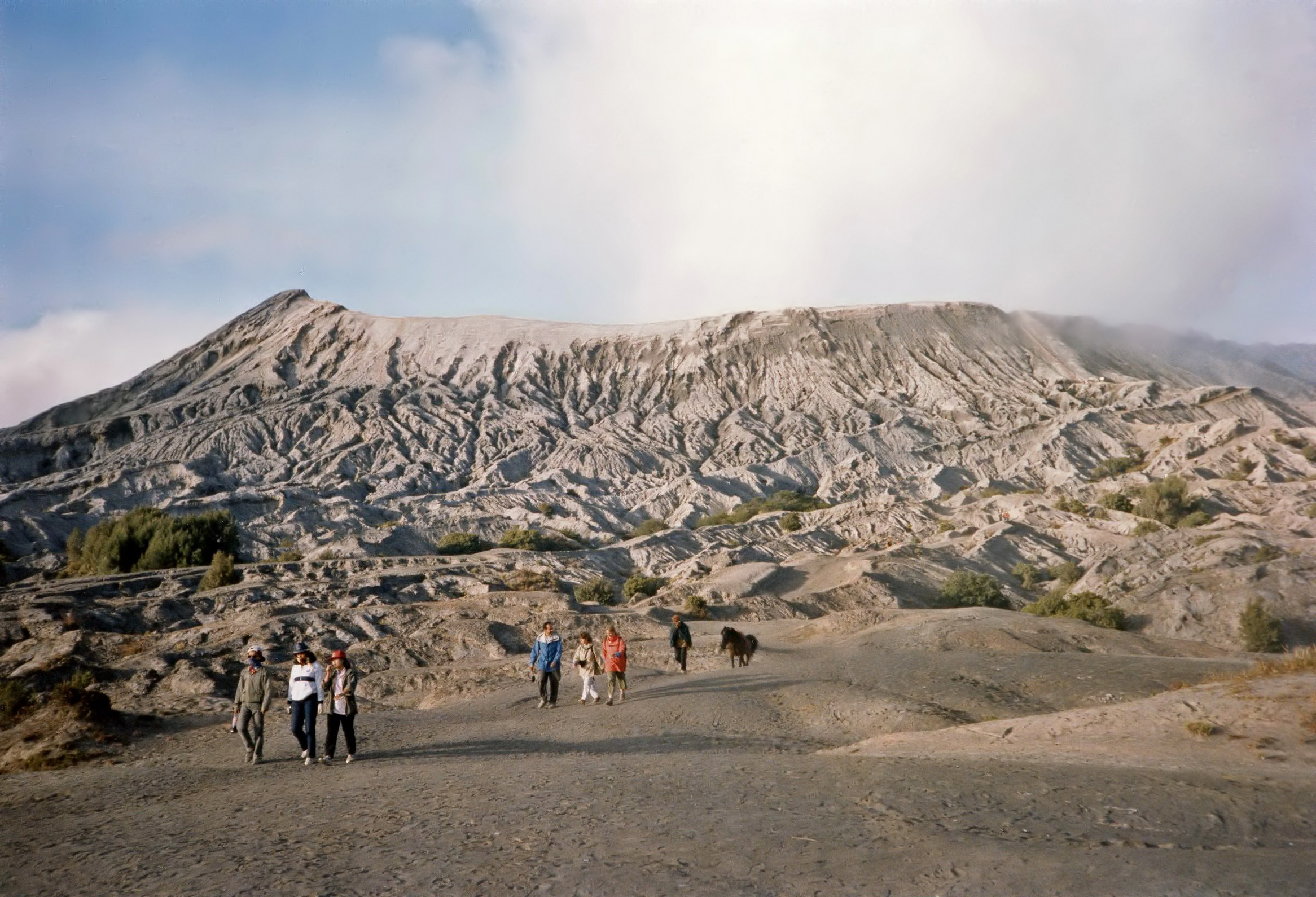
A wildfire in Indonesia’s Bromo Tengger Semeru National Park is out after 550 hectares burned — but hotspots remain. Why “extinguished” rarely means finished.
-
An LNG carrier from Qatar was among the ships hit in the Strait of Hormuz. What LNG is, why gas is harder to replace than oil, and how a shock reaches heating, power and food.
-
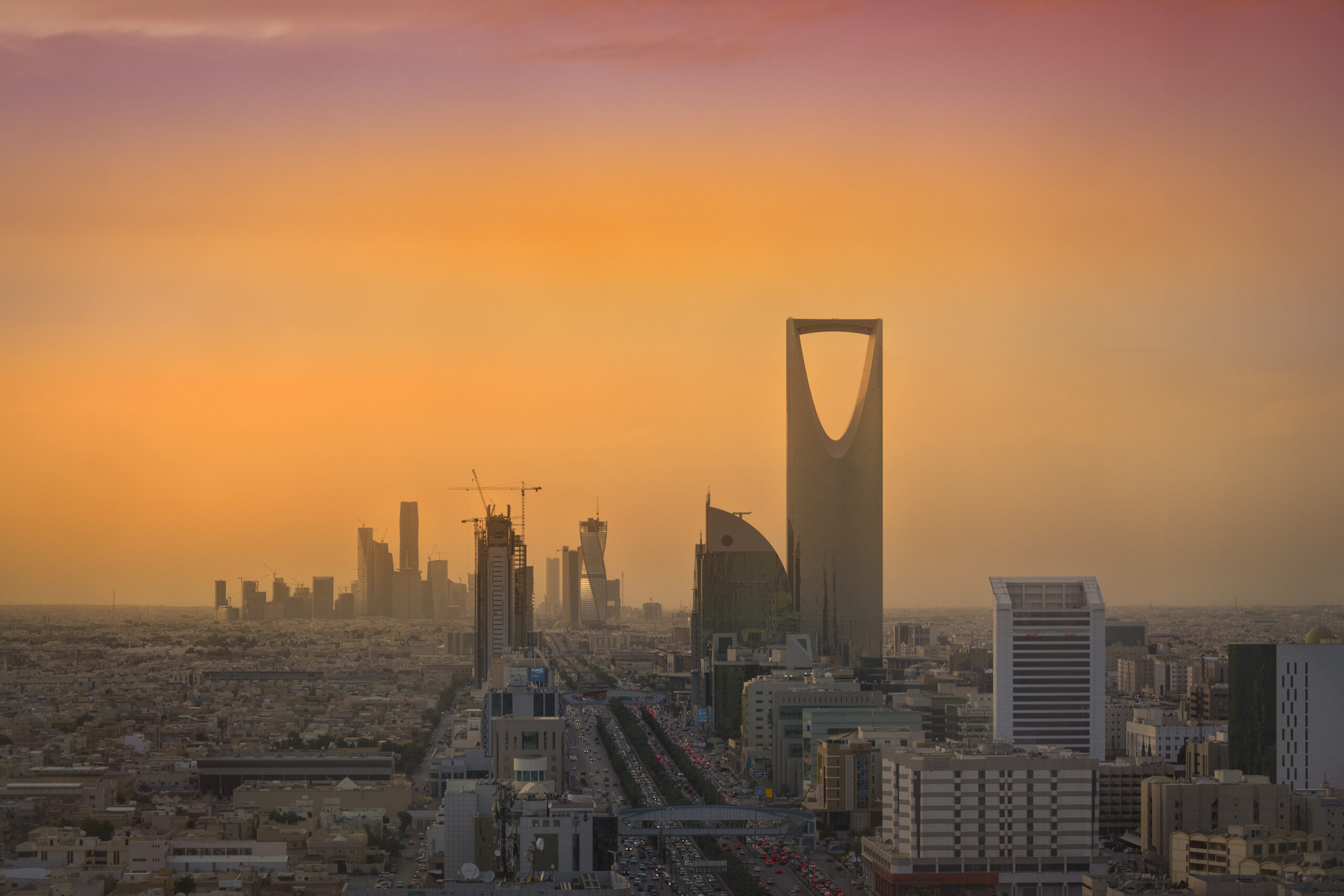
At least 16 migrant workers were killed in a Riyadh factory fire. Why these fires keep happening, how sponsorship ties safety to job security, and what follows for families abroad.
-

A sightseeing flight has crashed near Peru’s Nazca Lines, killing 13. Why those flights exist, and why early explanations after an air crash are usually wrong.
-

Governments announce inquiries constantly. What a judicial commission actually is, what it can and cannot do, and the four questions that reveal whether one is serious.
-
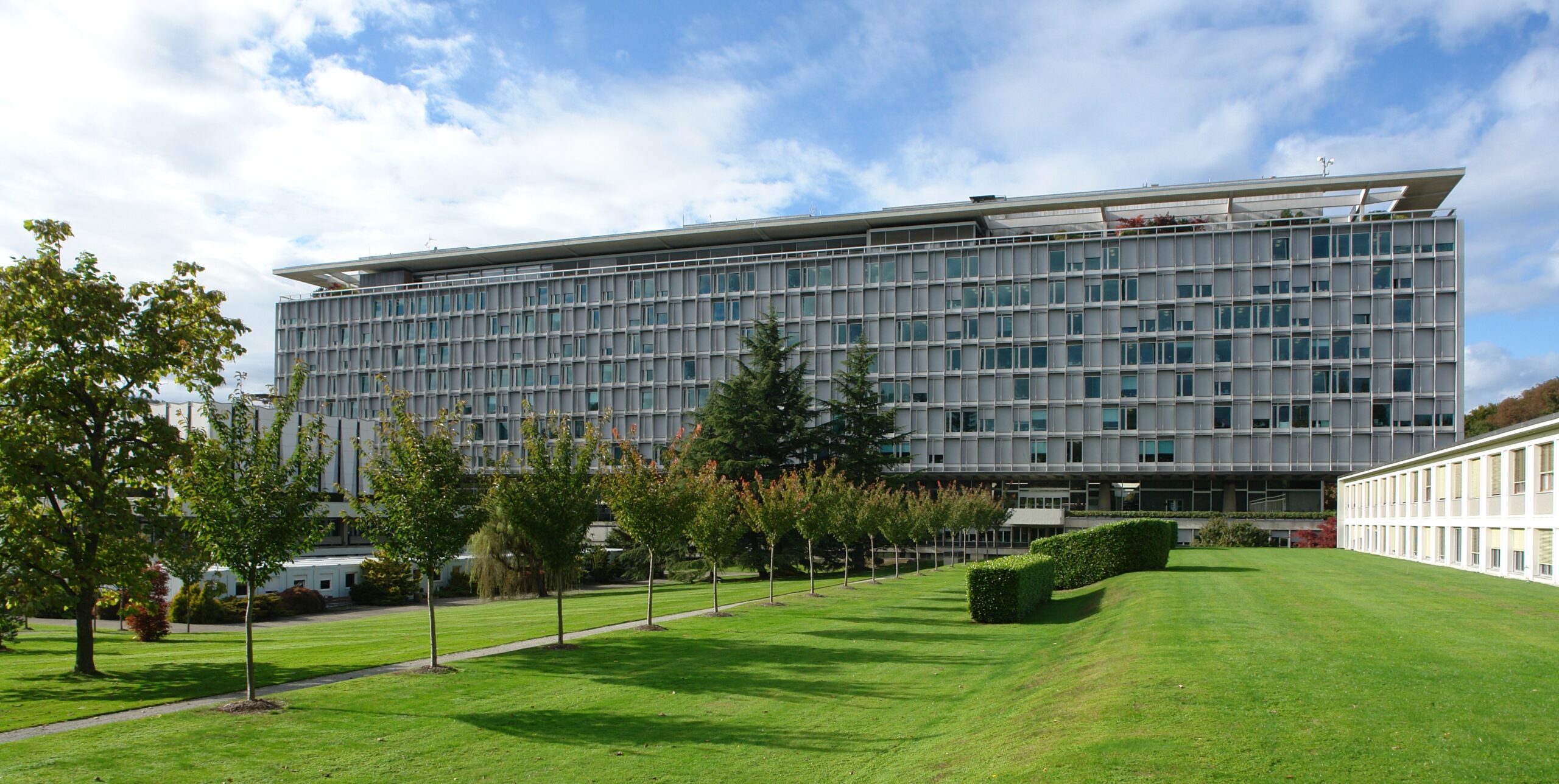
The WHO’s highest alarm has a specific legal meaning. What a Public Health Emergency of International Concern actually triggers, what it can’t do, and why declaring one is politically hard.
-
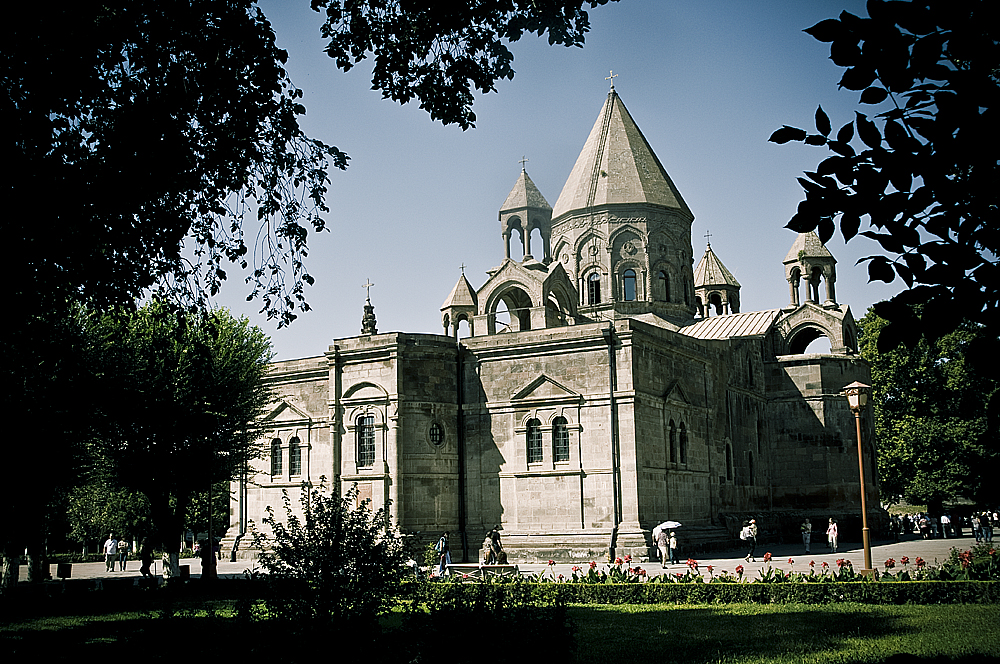
The head of the Armenian Apostolic Church and six senior clergy are in court over a defrocked bishop. Who decides what happens inside a church — the church, or the state?
-
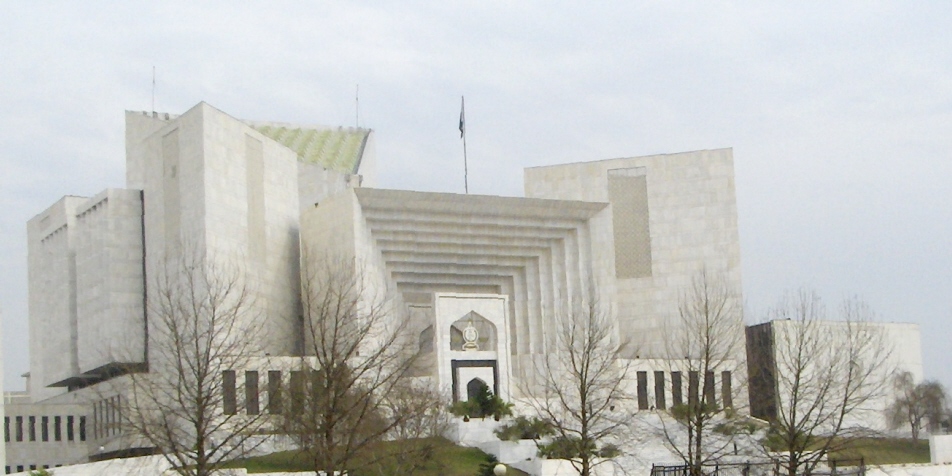
Sindh will hold a judicial commission into the death of Mir Raza Ali. Why a judge rather than the police, what such inquiries can’t do, and the details that reveal whether one is serious.
-
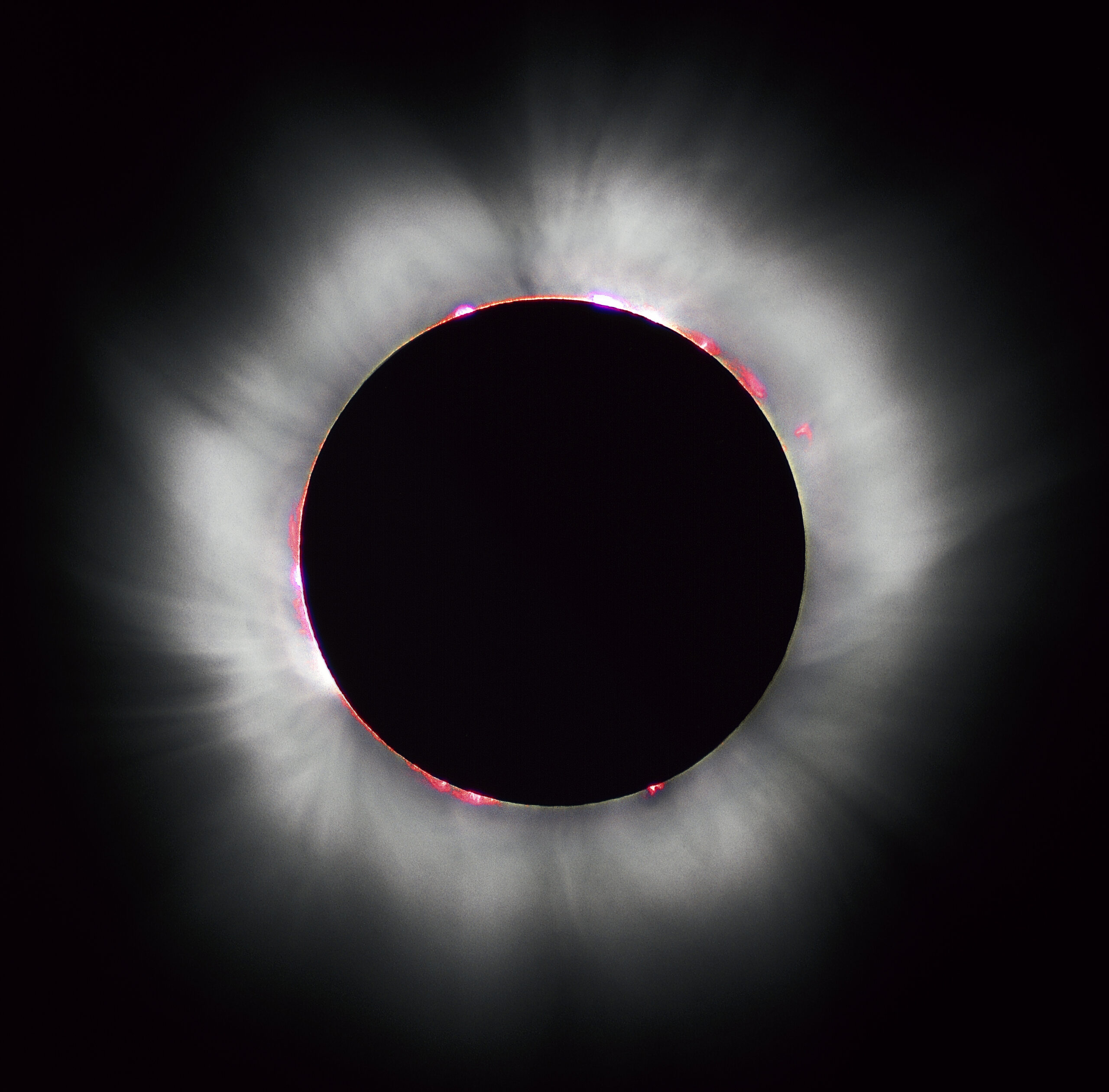
A total solar eclipse crosses Greenland, Iceland, Portugal and northern Spain on 12 August. Why it happens, what you’ll see — and how to watch without damaging your eyes.