Category: World
-
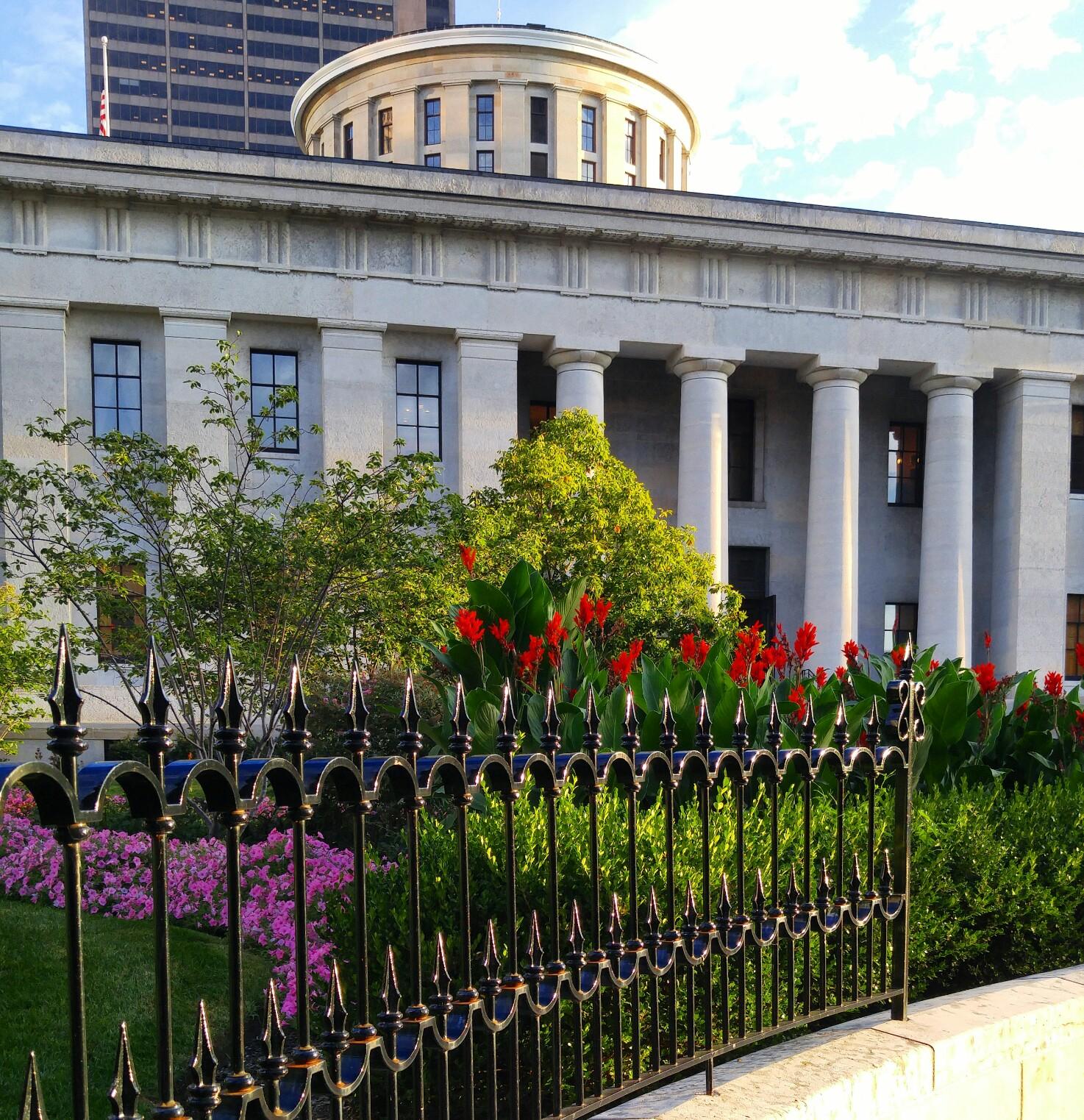
Marshals in Ohio say they have recovered nearly eighty missing children in the state’s largest such operation. Most missing children are not abducted by strangers — and understanding what the category actually contains explains both why the work matters and where it usually falls short.
-

A study puts the cost of Chicago’s 2025 immigration raids at over $1.26 billion in lost retail, restaurant and sales-tax revenue. The mechanism was not removals but fear — including among citizens, who stayed home in numbers a city’s economy can measure.
-
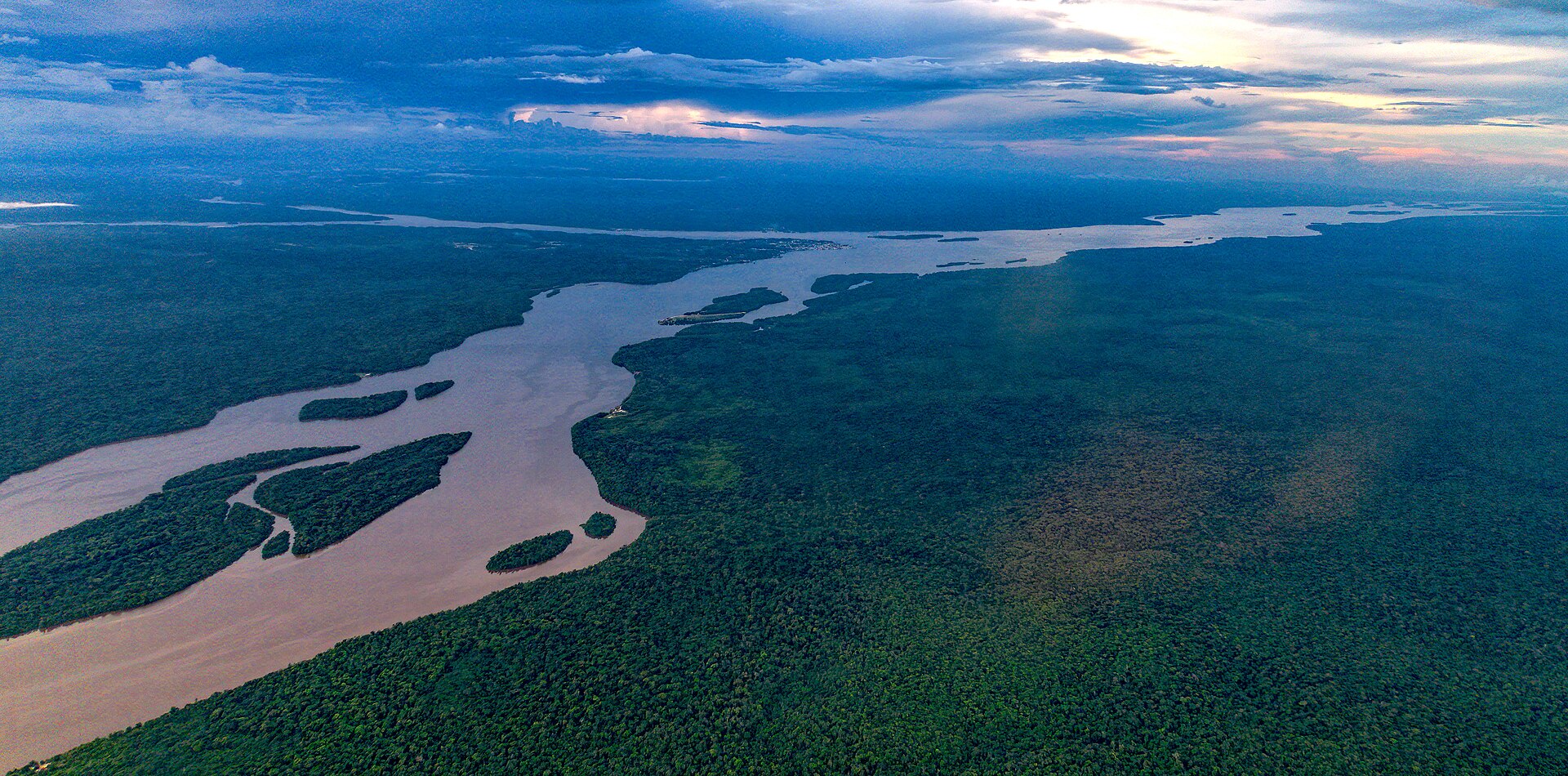
The World Court has heard arguments on whether an 1899 arbitration validly set the border between Guyana and Venezuela. Two-thirds of Guyana’s territory turns on the answer. Hearings ended in May and judgment is pending, with almost no coverage in between.
-

Beijing plans to raise national AI computing capacity from about 2,185 exaflops to 9,800 by 2030. The target treats AI as infrastructure rather than software — a bet that the binding constraint is physical. It says nothing about where the electricity comes from.
-
Beijing plans to raise national AI computing capacity from about 2,185 exaflops to 9,800 by 2030. The target treats AI as infrastructure rather than software — a bet that the binding constraint is physical. It says nothing about where the electricity comes from.
-

Washington will ban imports of Canadian alcohol, dairy and motorcycles from 29 September, on top of existing 50 per cent tariffs. A ban is not a bigger tariff — it ends the trade, and the supplier relationships that replace it tend to outlast the measure.
-

US forces struck more Iranian tankers overnight. Repetition turns an incident into a policy — and what can actually be verified about any individual strike at sea is considerably less than the headlines suggest.
-
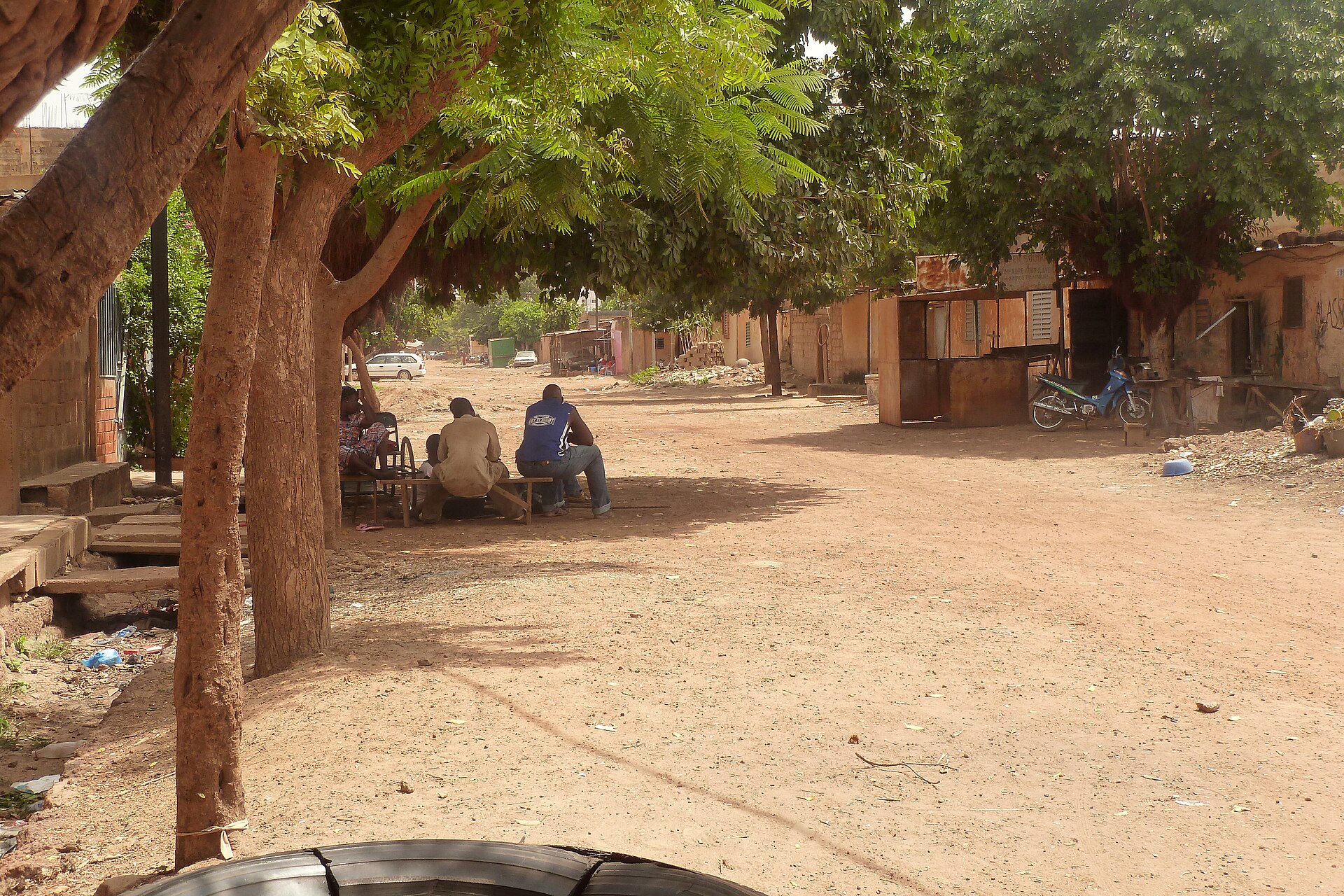
Burkina Faso’s last official displacement figure — 2.1 million, about nine per cent of the population — dates from March 2023. Armed groups now control roughly half the country. When the headline number stops moving, the humanitarian appeal built on it stops growing too.
-

Settlement exports are a fraction of one per cent of Israel’s trade, so what does banning them achieve? The answer is less about commerce than about legal determinations, corporate risk and what twelve countries acting together makes possible for the thirteenth.
-
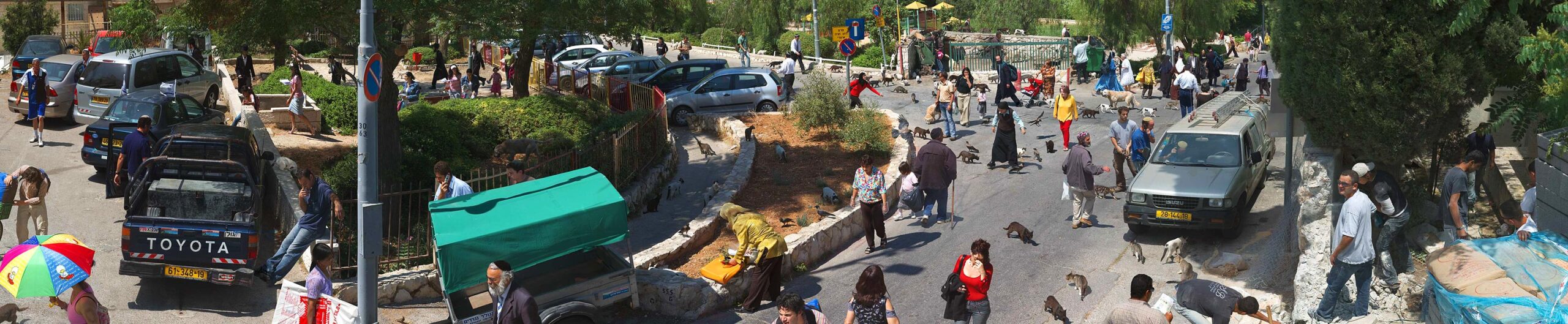
Britain banned imports from Israeli settlements, with France, Canada and nine other states acting alongside it. Israel responded within hours by closing Britain’s East Jerusalem consulate, expelling diplomats and barring twelve British MPs from entry.