Category: World
-

World Patient Safety Day this year focuses on people living with long-term conditions. The reason is structural: chronic illness means more medicines, more clinicians and more handovers, and most safety systems were built around short acute episodes instead.
-

The head of the Serbian Orthodox Church led the funeral service for a man convicted of genocide. Most Christian traditions hold that funeral rites are prayers, not verdicts. But nothing in that theology required an honour guard, a patriarch and thousands in the street.
-

Europe started enforcing its AI law on 2 August. Today is the closing date for expressions of interest in forty new posts at the office that has to do the enforcing — a week before the first systemic risk evaluations from frontier developers are due.
-
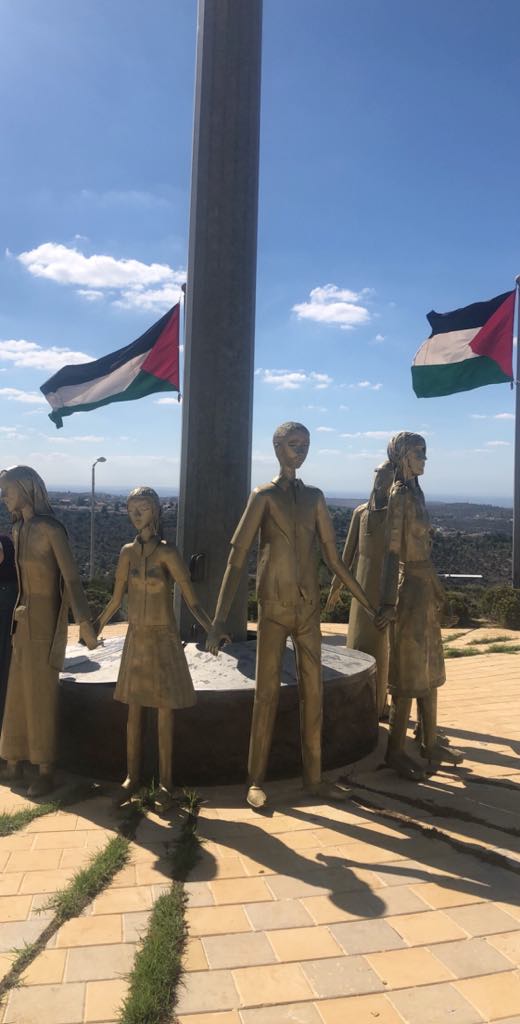
The World Food Programme is halving the number of people it feeds in the occupied West Bank, from 400,000 to 200,000, because of a funding shortfall. Nobody’s circumstances improved. What a cut like this actually involves, and what tends to happen to the households removed.
-

A year ago an al-Qaeda affiliate announced a fuel blockade on southern Mali. More than 300 tankers have been destroyed since. There is no front line and no battle to photograph, which is much of the reason one of West Africa’s most consequential events goes largely unreported.
-

Britain is preparing measures on Israeli settlements, centred on the E1 corridor east of Jerusalem. Israel’s foreign minister has warned of unspecified retaliation. What is likely to be in the package, what precedent suggests will be left out, and how to read a vague threat.
-

Serbia buried Ratko Mladić with military honours and a state send-off. Bosnia has recalled embassy staff and suspended bilateral meetings — but cannot sever relations, because the decision rests with a presidency whose Serb member attended the funeral.
-

Two people were killed and at least ten injured in overnight drone and missile strikes on Kyiv, with damage recorded at sixteen locations across five districts. The attack ended a weekend pause that had coincided with the first official visit by US envoys Witkoff and Kushner.
-

Akbar Bugti was killed in a Pakistani military operation on 26 August 2006. Two decades on, the insurgency that followed is one of the least covered armed conflicts in the world — partly because of what it is, and substantially because of how hard it is to report from there.
-

Both the US and Iran are attacking oil tankers, and both call the other’s attacks war crimes. What the law of naval warfare actually says about when a merchant ship stops being a protected civilian object — and where each side’s legal argument is weakest.