Category: World
-

More than 100,000 people have been killed in Myanmar’s civil war, the deadliest in Asia and the most fragmented in the world. It gets a fraction of the coverage of smaller conflicts, and the reasons say more about how international news works than about Myanmar.
-

In southern Syria the sharp dispute between Damascus and the pro-autonomy factions of Suwayda is being fought over curricula, teacher appointments and whose certificates count. Schools are where autonomy conflicts usually become practical — and where the cost falls on students.
-
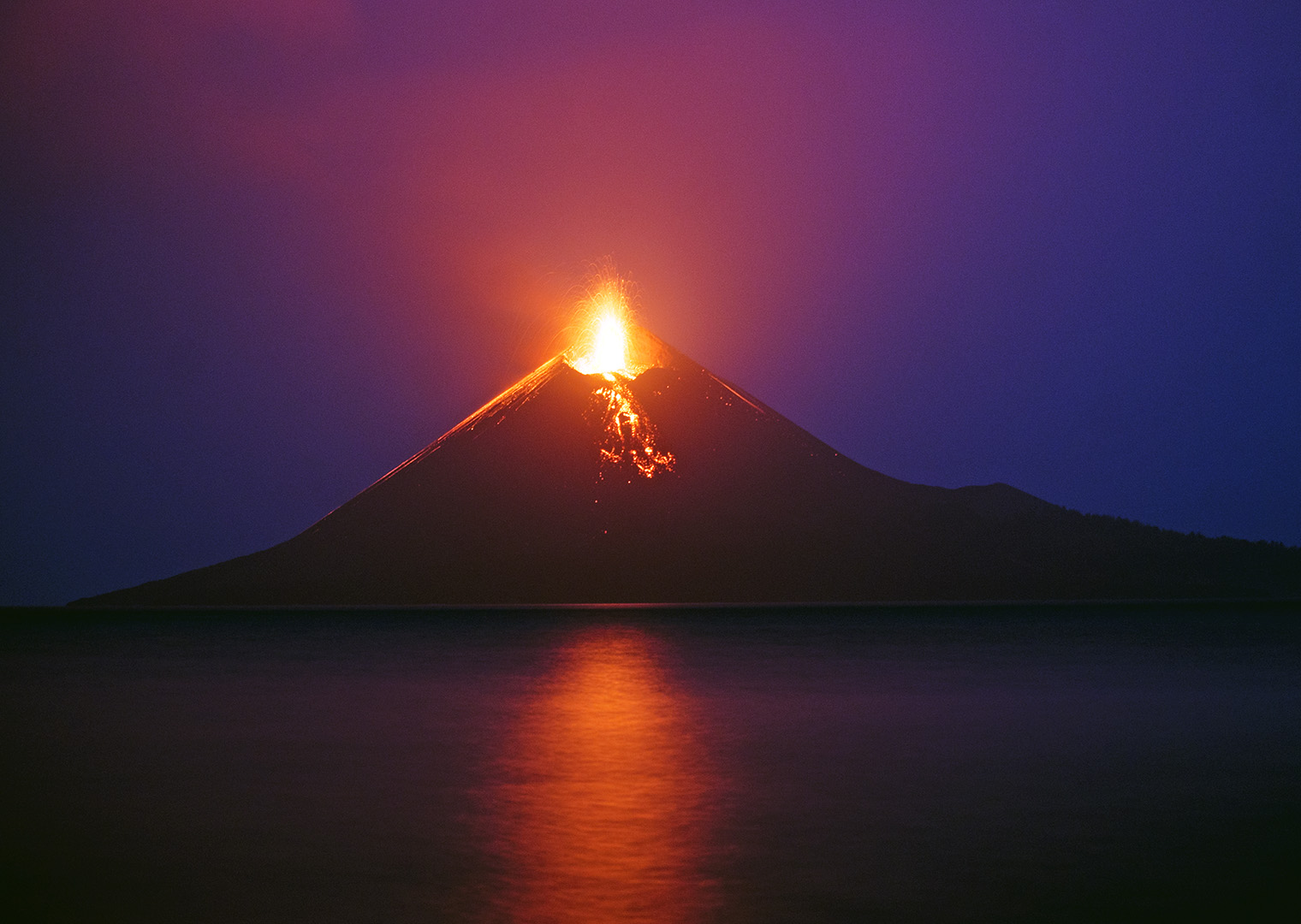
Ash from Anak Krakatau has disrupted more than a thousand flights across Indonesia. Volcanic ash is pulverised rock and glass that melts inside a jet engine and resolidifies on the turbine — and it barely shows up on the radar aircraft carry.
-

The world’s largest sovereign wealth fund has an ethics council that can exclude companies over weapons, environmental damage and human rights. Norway’s finance minister has put it on pause while the whole framework is reviewed. The report is due on 15 October, and almost nobody outside Norway is watching.
-
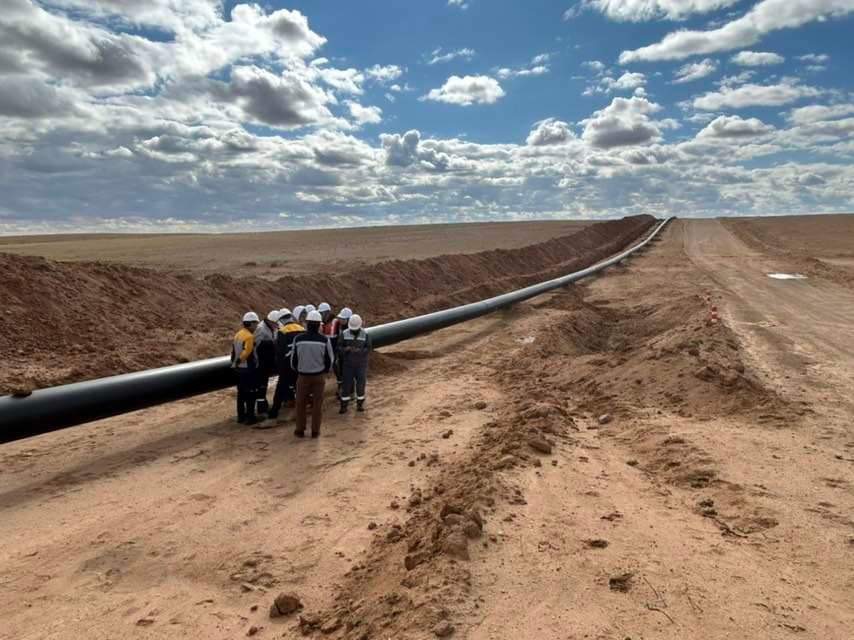
Chinese crude imports have fallen to an eight-year low, quietly absorbing part of the shock from the Gulf and holding down prices elsewhere. Whether that is cyclical or structural is the most consequential open question in energy markets right now.
-
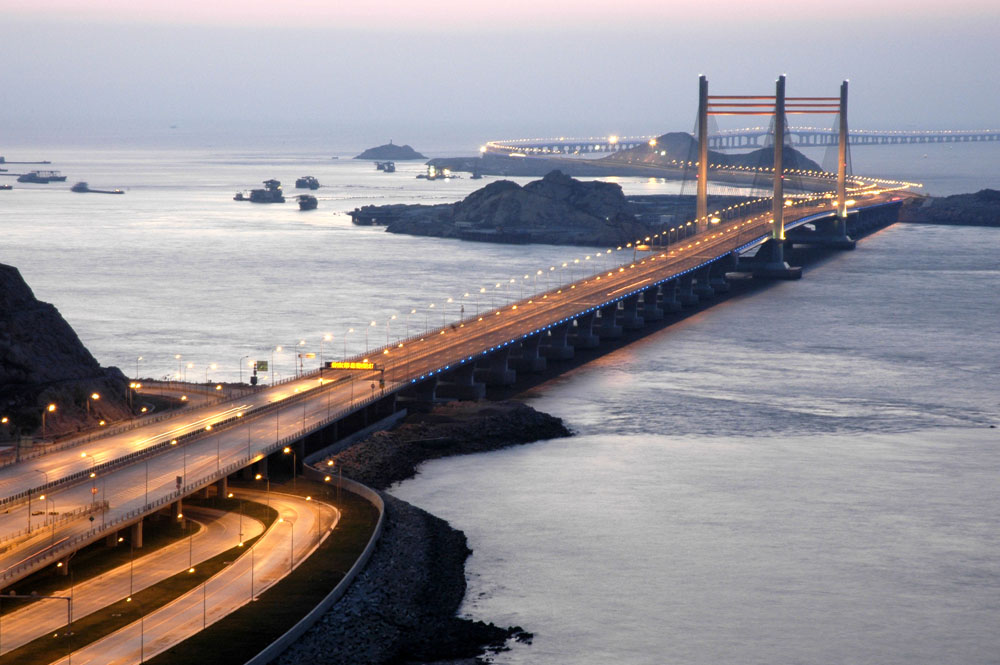
China’s August customs data showed exports up sharply and a monthly surplus of about $119 billion, taking the annual figure past $800 billion. Analysts read the tariff shock as absorbed — but a headline export number cannot show at what price, or to whom.
-

Days instead of months, short briefs, no oral argument, and often no stated reasoning. The Supreme Court’s emergency docket formally decides only what happens while a case proceeds — but for elections and deportations, the interim period is frequently the whole period.
-

A federal judge blocked a new Postal Service rule on mail ballot envelopes, finding it threatened disenfranchisement weeks before the election. The administration has asked the Supreme Court to lift that block, and challengers’ responses were due this morning.
-
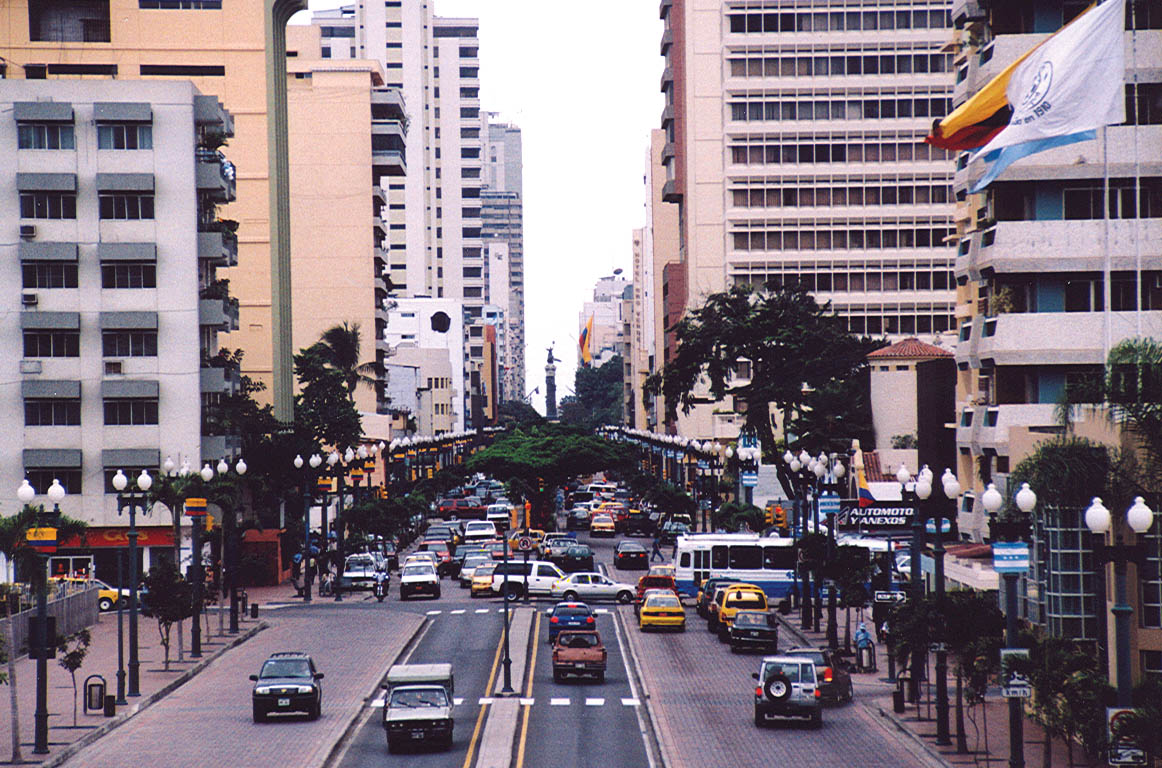
Ecuador ranks sixth in the world for conflict, with over fifty armed groups and more than 2,500 events targeting civilians in a year. It has no war, no insurgency and no foreign enemy — and almost no international coverage, for reasons that have little to do with the scale of the violence.
-
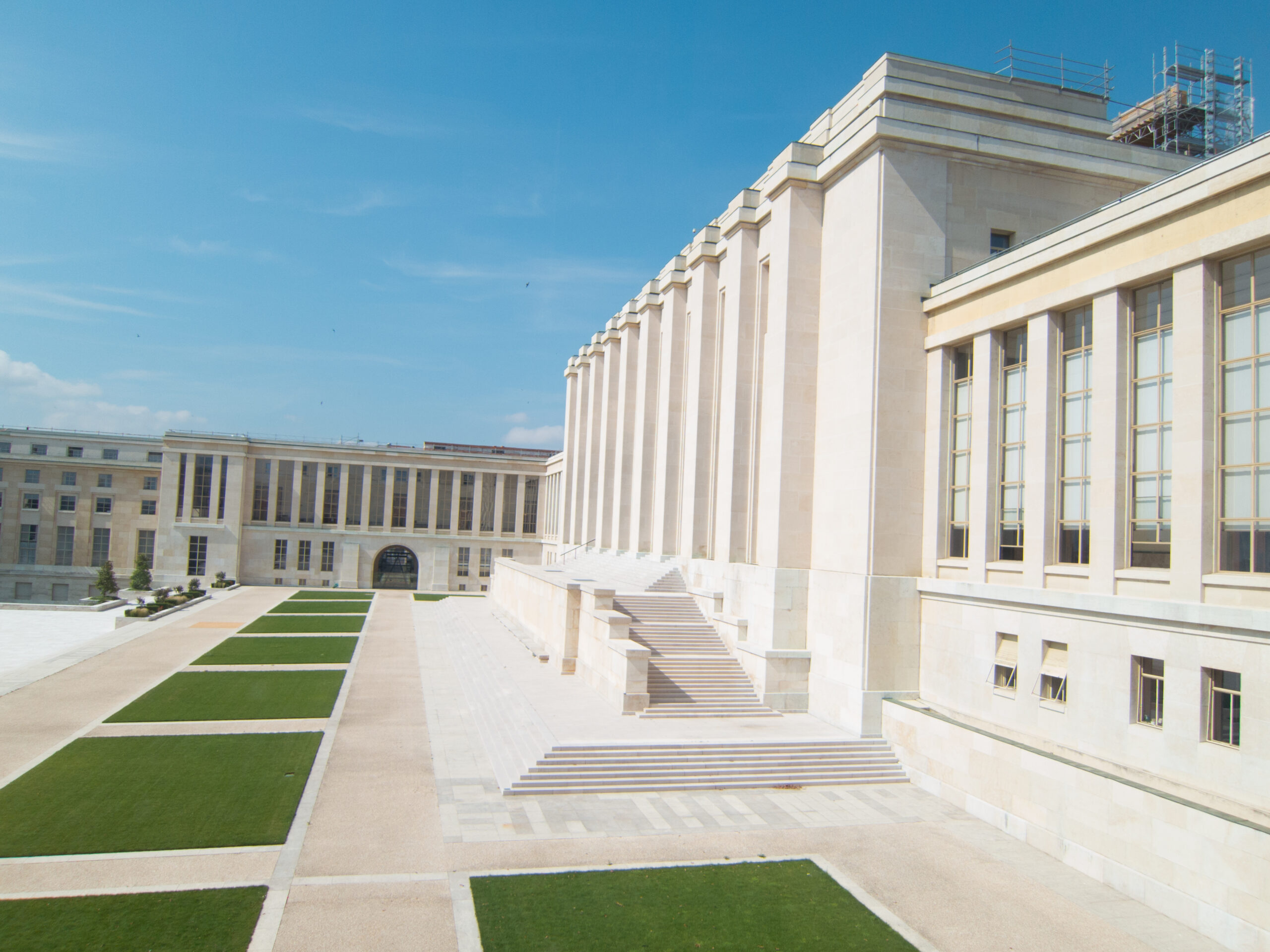
Countries rarely cut ties outright. They summon, recall, suspend, hollow out, downgrade, expel — and only then sever. What each step on the ladder actually means, and why closing an embassy hurts the country that closes it more than most coverage admits.