Category: World
-

Drought cuts the harvest and expensive fuel makes importing the shortfall costlier — each shock removes the other’s remedy. Rice is unusually exposed, because so little of world production is actually traded.
-
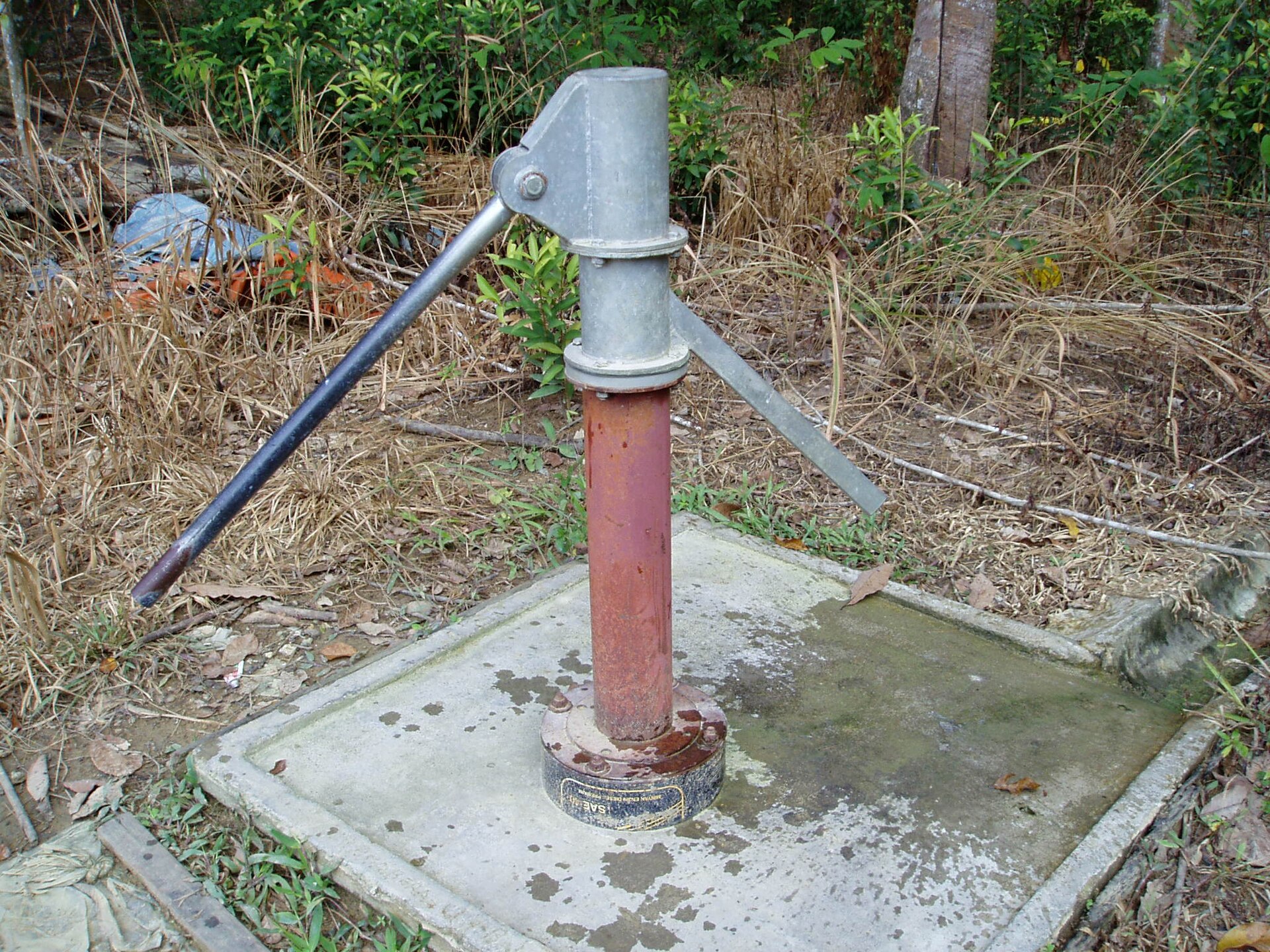
More than 83,000 cholera cases and 2,100 deaths in Sudan since July 2024. Cholera kills by dehydration and is treated with salt, sugar and clean water. Deaths on this scale measure whether people can reach care, not how dangerous the disease is.
-

Data centres and prolonged heat are both pushing Malaysian electricity demand up, and they compound: hot air makes cooling systems work harder, so server halls and household air conditioners peak on the same afternoons.
-

Cambodia has signed the agreement for the Funan Techo water project. It is about sovereignty for one country and rice yields for another, and the treaty governing the Mekong has no mechanism to settle which reading wins.
-

Indonesia plans $600m to open bank accounts for 200 million people — about three dollars each. Opening accounts is the easy part. Elsewhere, huge inclusion drives have produced tens of millions of accounts that were never used.
-

Vietnam is planning a campaign urging families to have two children — the same number it once restricted them to. The evidence on whether such campaigns work is not encouraging, and the country faces growing old before it grows rich.
-
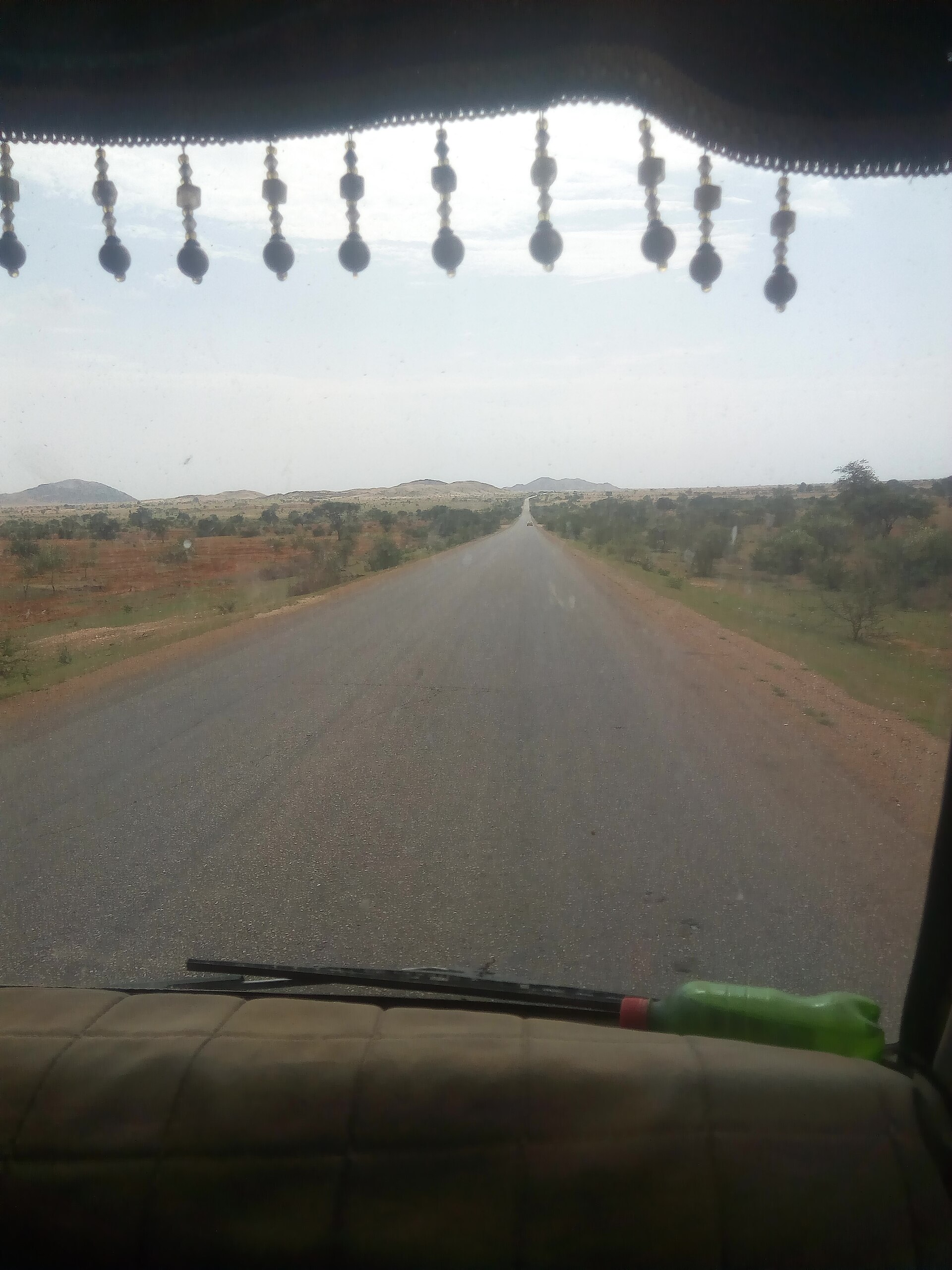
Sudan’s war has settled into an east–west partition with two parallel governments, and the fighting has moved to the region between them. Sieges and drone strikes in Kordofan are producing famine risk — and famine in modern war is rarely about a shortage of food.
-
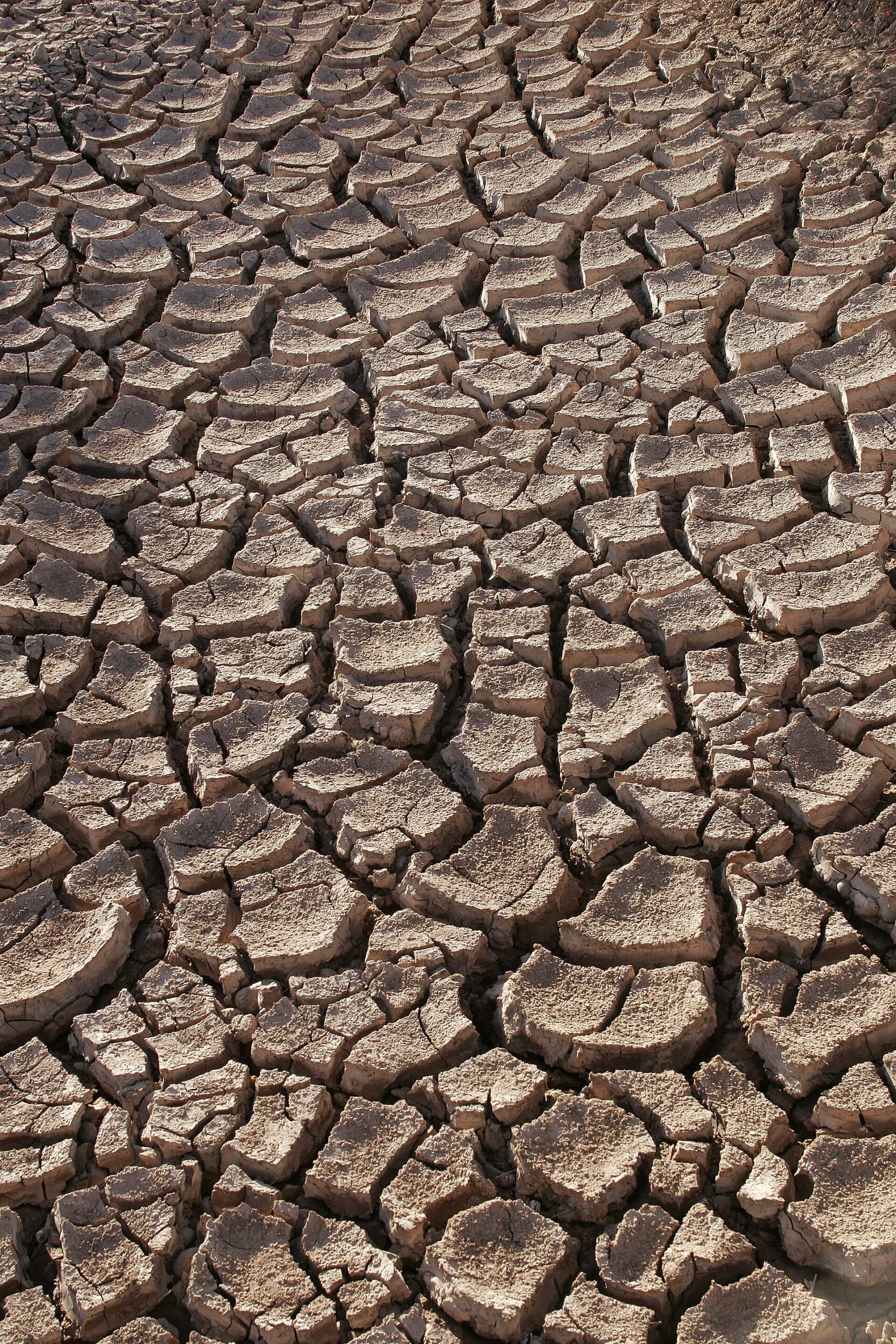
NOAA says the US just had its hottest summer in 132 years, beating the Dust Bowl summer of 1936 by 0.4°F. On a continent-wide seasonal average, that is a large margin — and the record warm nights matter more for survival than the record days.
-

American courts decide which unwritten rights the Constitution protects by asking whether they are “deeply rooted in this Nation’s history and tradition”. That test decided the clean water case — and the level of generality at which a right is described often decides it first.
-
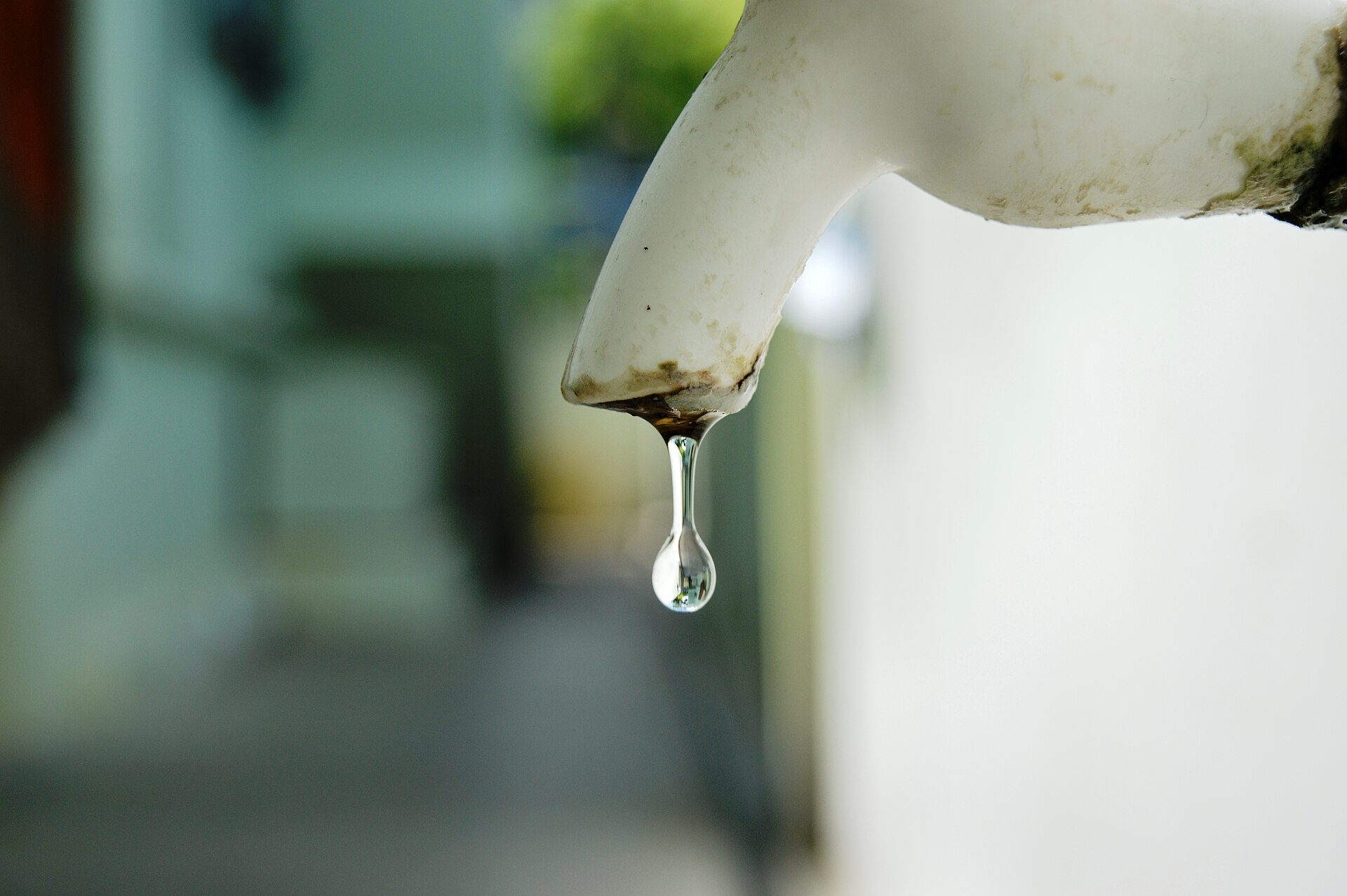
The full Fifth Circuit has ruled that the Constitution guarantees no right to clean drinking water, or to truthful information from officials in a health crisis, dismissing a suit by Jackson, Mississippi residents over lead contamination.