Category: World
-

Students have blockaded the Lycée Voltaire in Paris and high schools are closing across France over conditions. The blocus is an old and effective tactic — and it is colliding this autumn with the highest French borrowing costs in decades.
-
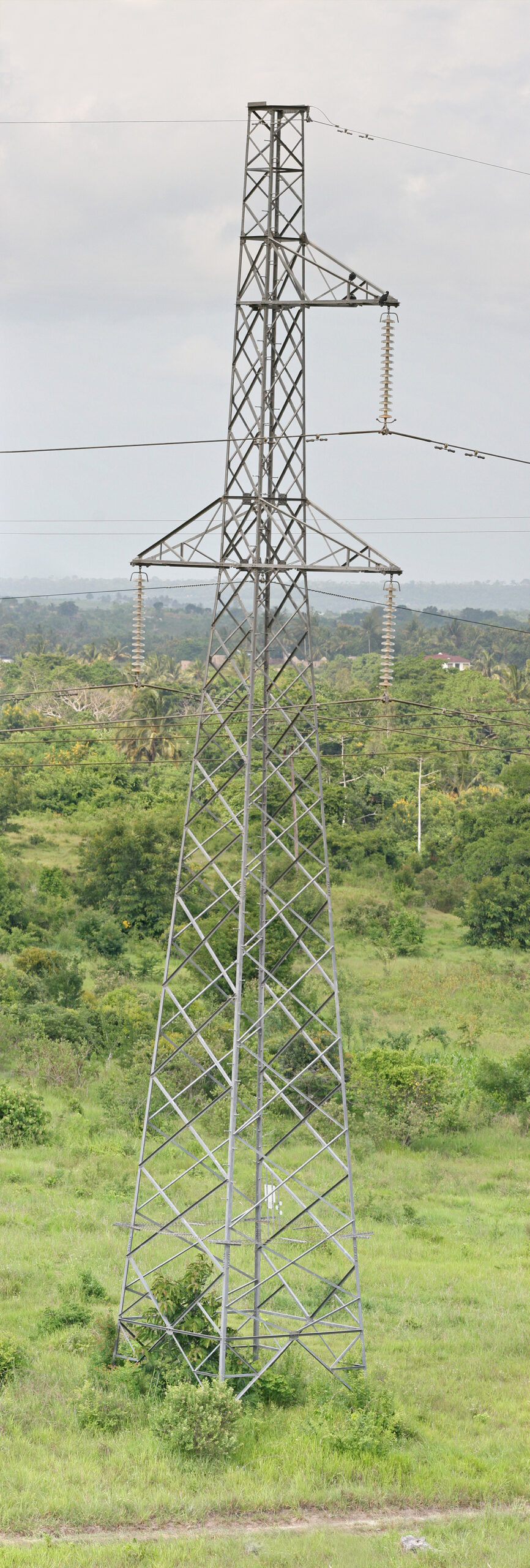
Russia hit Ukraine’s power grid across at least ten regions overnight, killing seven, and Kyiv has imposed emergency cuts for the first time since spring. Grid attacks follow an annual October pattern, and the reason is district heating in January.
-

French and UK bond yields have hit decades-long highs and the US 30-year mortgage rate is at 7.28 per cent. Bond prices and yields move in opposite directions — and that relationship is how a sell-off in London reaches a mortgage payment in Ohio.
-

Trump has told European governments to release their emergency diesel reserves or risk losing American supply. Those reserves exist precisely so that an exporter cannot use fuel as leverage — which is what makes the demand unusual.
-

Ho Chi Minh City has postponed its low-emission zone by six months. In a city where millions earn their living on a motorcycle, the sequencing against metro expansion decides whether the scheme is a nudge or a loss of access.
-

Thai factories are suspending operations as orders fall and costs rise. Suspension keeps workers employed on partial pay — which means the distress never reaches the unemployment figures, and the quiet part is when a suspension stops being temporary.
-
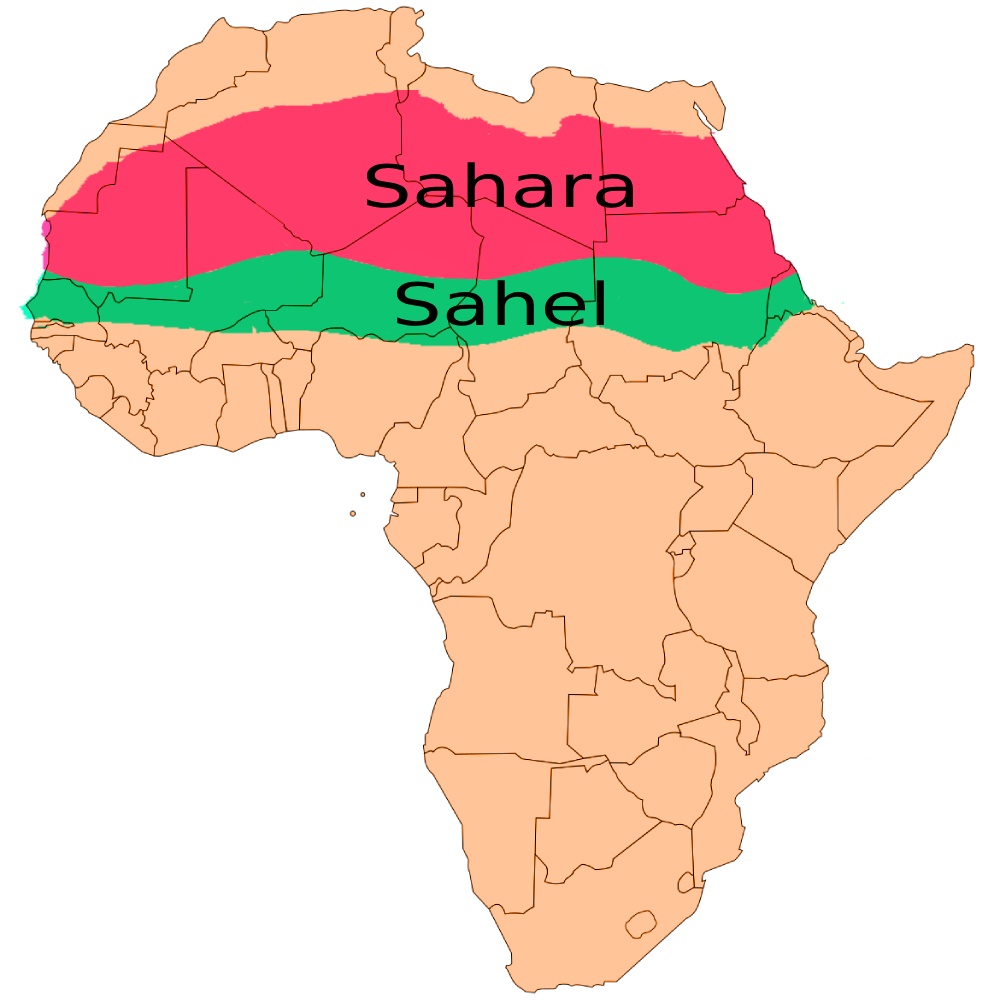
Twenty-five years on, al-Qaeda has no single centre. Its capacity for transnational attacks has fallen and its local power has grown — affiliates now hold territory and tax populations in the Sahel, Somalia and Yemen. That is the anniversary story nobody tells.
-

Indonesia is cutting foreign worker permit processing to five days through a single online system. Immigration policy is usually discussed as rules about eligibility — but processing time quietly decides who can actually use them.
-

Almost all international internet traffic runs through seabed cables about the thickness of a garden hose. They break more than a hundred times a year. What decides whether anyone notices is redundancy — and the real bottleneck is the small, ageing fleet of repair ships.
-

China and the Philippines have exchanged accusations again over South China Sea claims. A 2016 tribunal ruled largely for Manila and China rejects it — and the confrontations use coast guards and fishing fleets precisely to stay below treaty thresholds.