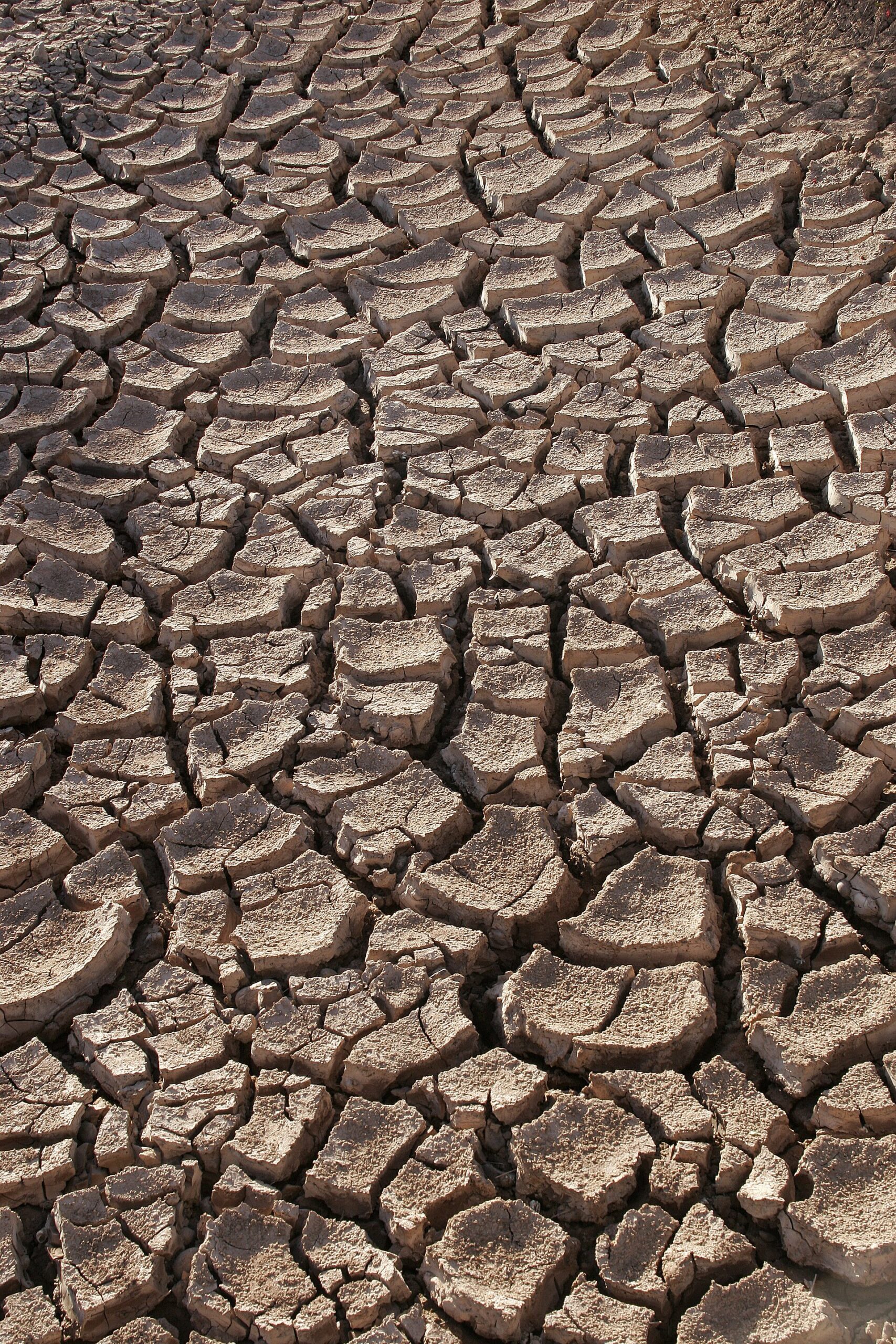
The United States has just had its hottest summer in 132 years of record-keeping. NOAA’s National Centers for Environmental Information reported on Wednesday that the average temperature across the contiguous states from June to August was 74.4°F (23.6°C) — 3.0°F above the twentieth-century average, and 0.4°F above the previous record.
That previous record was held jointly by 1936 and 2021. The 1936 summer came at the height of the Dust Bowl and has been the benchmark for American heat ever since. It has now been equalled or beaten twice in five years.
Advertisement — ad space reserved
The numbers
August 2026 averaged 75.6°F (24.2°C), 3.5°F above the twentieth-century average and the warmest August in a record running from 1895. Average daytime maximum temperatures in August reached 88.6°F, also the highest recorded.
California, Nevada, New Mexico and Colorado each set state records for their warmest August. California and New Mexico set records for average daytime highs, and nighttime minimum temperatures were record warm across California, Nevada, Arizona, Utah and New Mexico.
Four of the five hottest American summers on record have now occurred in the past five years, with 2022 and 2024 ranking fourth and fifth. Since 1970, June-to-August temperatures in the US have risen by about 0.46°F per decade.
Why 0.4 degrees is a large margin
A four-tenths of a degree difference sounds trivial and is not, for a reason worth explaining.
This is not a single reading. It is the average of a whole season across a continent-sized area — thousands of stations, ninety-two days, a landmass spanning multiple climates. Averaging on that scale flattens variation enormously. Moving a figure of that kind by 0.4°F requires an unusually widespread and sustained anomaly rather than a few extreme days somewhere.
Which is why records of this type are usually broken by hundredths. When the previous record stood at a level two separate years had reached, and the new figure clears it by four-tenths, that is a substantial step rather than an incremental one.
Advertisement — ad space reserved
The nights matter more than the days
The record warm nighttime minimums across the Southwest are the detail with the clearest human consequence, and it is routinely buried beneath the daytime figures.
The human body copes with daytime heat substantially by recovering at night. When overnight temperatures stay high, that recovery does not happen, and cumulative physiological strain builds over successive days. Heat mortality studies consistently find night-time minimum temperature to be a strong predictor of deaths during a heatwave — often stronger than the daytime peak.
It also determines who is affected. A household with air conditioning is insulated from this; a household without it, or unable to afford to run it, is not. We reported yesterday on research finding exactly that pattern in Europe.
What came with the heat
Record warmth was widespread across the West, Southwest, southern Rockies, southwestern Plains and the southern Florida Peninsula. Near-average conditions were confined to parts of the northern Plains and Midwest.
The regions that took the record heat also saw heatwaves, wildfires and declining water reserves. As of 1 September the US Drought Monitor showed 79 per cent of the contiguous United States in abnormally dry conditions and 59 per cent in some form of drought.
NOAA expects a warmer-than-usual September across much of the country. The wider outlook is complicated by a rapidly strengthening El Niño, which we examine separately today.
Advertisement — ad space reserved
Sources
- NOAA National Centers for Environmental Information, Monitoring the U.S. Temperature and Precipitation in August 2026, released 9 September 2026
- CNN, The US just had its hottest summer on record, beating the Dust Bowl era, 9 September 2026
- CBS News and Al Jazeera coverage of the NOAA report
- US Drought Monitor data as of 1 September 2026, via Yale Climate Connections
- Our report on the Lancet Countdown Europe findings, 9 September 2026
Leave a Reply