Sudan’s cholera outbreak began in July 2024. By the end of 2025 it had produced more than 83,000 reported cases and over 2,100 deaths, with more than 32,000 suspected cases recorded in 2025 alone.
Cholera is one of the most treatable serious illnesses in medicine. That is what makes an outbreak of this size a statement about a country’s condition rather than about the disease.
Advertisement — ad space reserved
What cholera actually is
Cholera is an infection of the small intestine caused by bacteria transmitted through water or food contaminated with faecal matter. It causes severe watery diarrhoea, and death comes from dehydration rather than from the infection directly.
That last point is why the disease is so revealing. The primary treatment is oral rehydration solution — water, salt and sugar in the right proportions — which costs very little. Severe cases need intravenous fluids and sometimes antibiotics. With prompt treatment, case fatality can be held below one per cent.
Deaths therefore indicate one of two failures: people could not reach treatment, or treatment was not available where they were.
Why war produces it
The chain is direct and well understood.
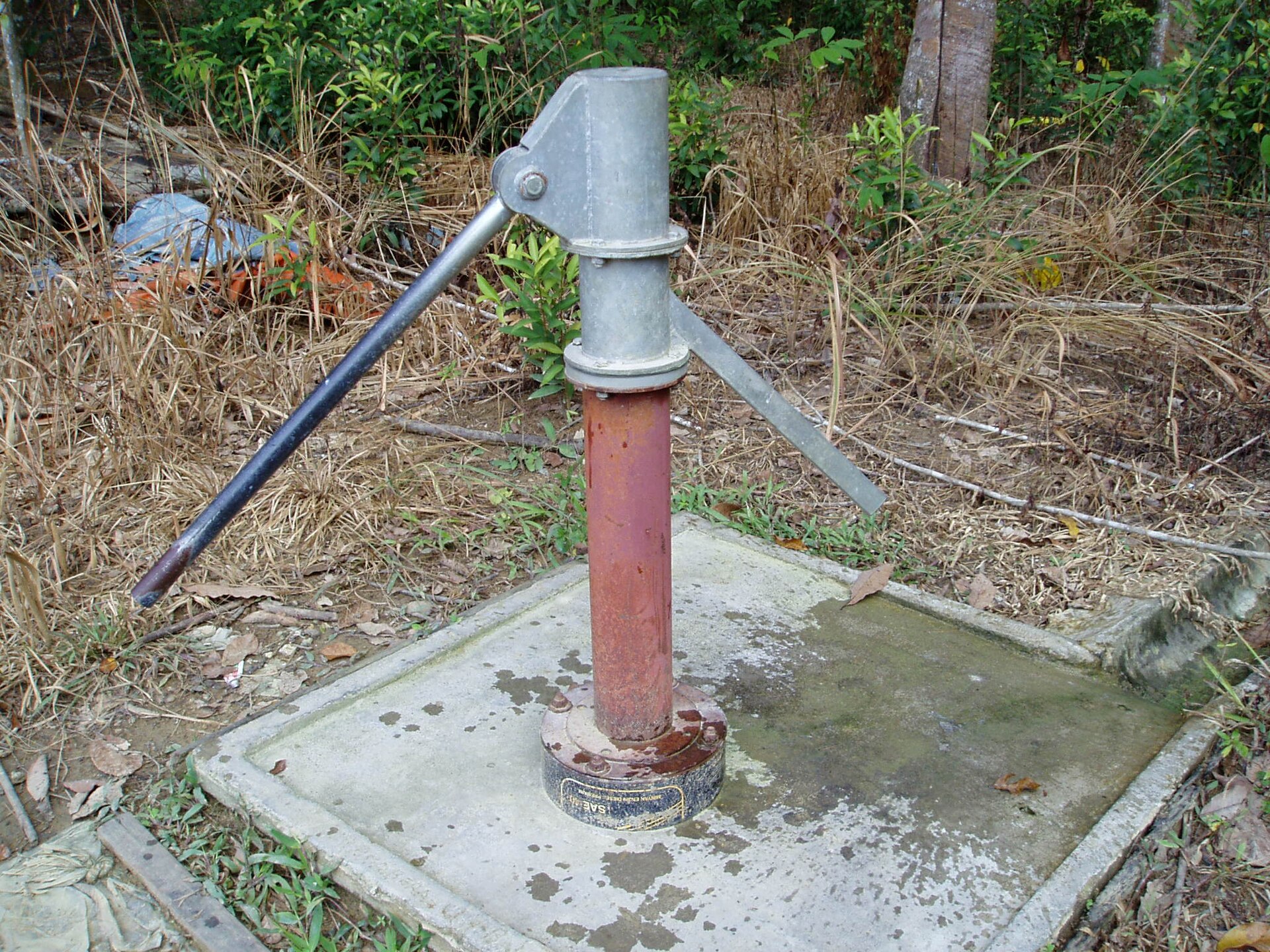
Treated water supply depends on pumps, and pumps depend on electricity or fuel. Both fail in conflict, whether through damage to infrastructure or through the interruption of supply. People fall back on wells, rivers and standing water.
Displacement concentrates people in camps and informal settlements without sewerage. Sanitation infrastructure is not built for a population that arrives in weeks. Health facilities are damaged, staff flee or are not paid, and supply chains for something as simple as rehydration salts break down.
Add a rainy season and the contamination spreads. None of this requires anyone to target public health deliberately. It follows from the ordinary destruction of a war.
Advertisement — ad space reserved
How to read the figures
Two cautions, and they pull in the same direction.
Most reported figures are of suspected rather than laboratory-confirmed cases, because confirmation requires testing capacity that a collapsing health system does not have. Suspected-case counts can overstate, since other diarrhoeal illnesses are misclassified.
They can also substantially understate, because a case is only counted if someone reaches a facility that reports. In areas under siege or held by armed groups, nobody is counting at all. Epidemiologists working on outbreaks in conflict generally treat official totals as a floor.
The same applies to deaths, with an additional bias: someone who dies at home without reaching care is the least likely to appear in any total, and is also the most likely kind of death in this outbreak.
What can be done, and why it isn’t
Oral cholera vaccine exists and works, though protection is partial and time-limited. Global supply has been constrained for years, with demand from simultaneous outbreaks exceeding production, and stockpile allocation decisions have had to be made between countries.
Vaccination also requires reaching people, which requires access. That is the binding constraint in Sudan, as it is for the food response we describe separately today.
The durable fix is not medical at all. It is water and sanitation infrastructure, which requires a functioning state and the absence of a war. Every intervention short of that is holding a line.
This is general information about a public health situation, not medical advice.
Advertisement — ad space reserved
Sources
- UN OCHA Sudan situation reports citing more than 83,000 cholera cases and over 2,100 deaths since July 2024, including more than 32,000 suspected cases in 2025
- World Health Organization material on cholera transmission, treatment and case fatality
- Published material on oral cholera vaccine supply and stockpile allocation
- Our report on sieges and displacement in Kordofan, 10 September 2026
Leave a Reply