Category: World
-

The toll from Colombia’s 7.4-magnitude earthquake has reached 281 dead and nearly 4,000 injured, with more than 12,000 homes destroyed. Rescue has given way to recovery, and the missing-persons figures need careful reading.
-

Settlers besieged three Palestinian homes in Qusra for five nights, cutting water and electricity. The US ambassador to Israel — a longtime ally of the settler movement — called them terrorists.
-
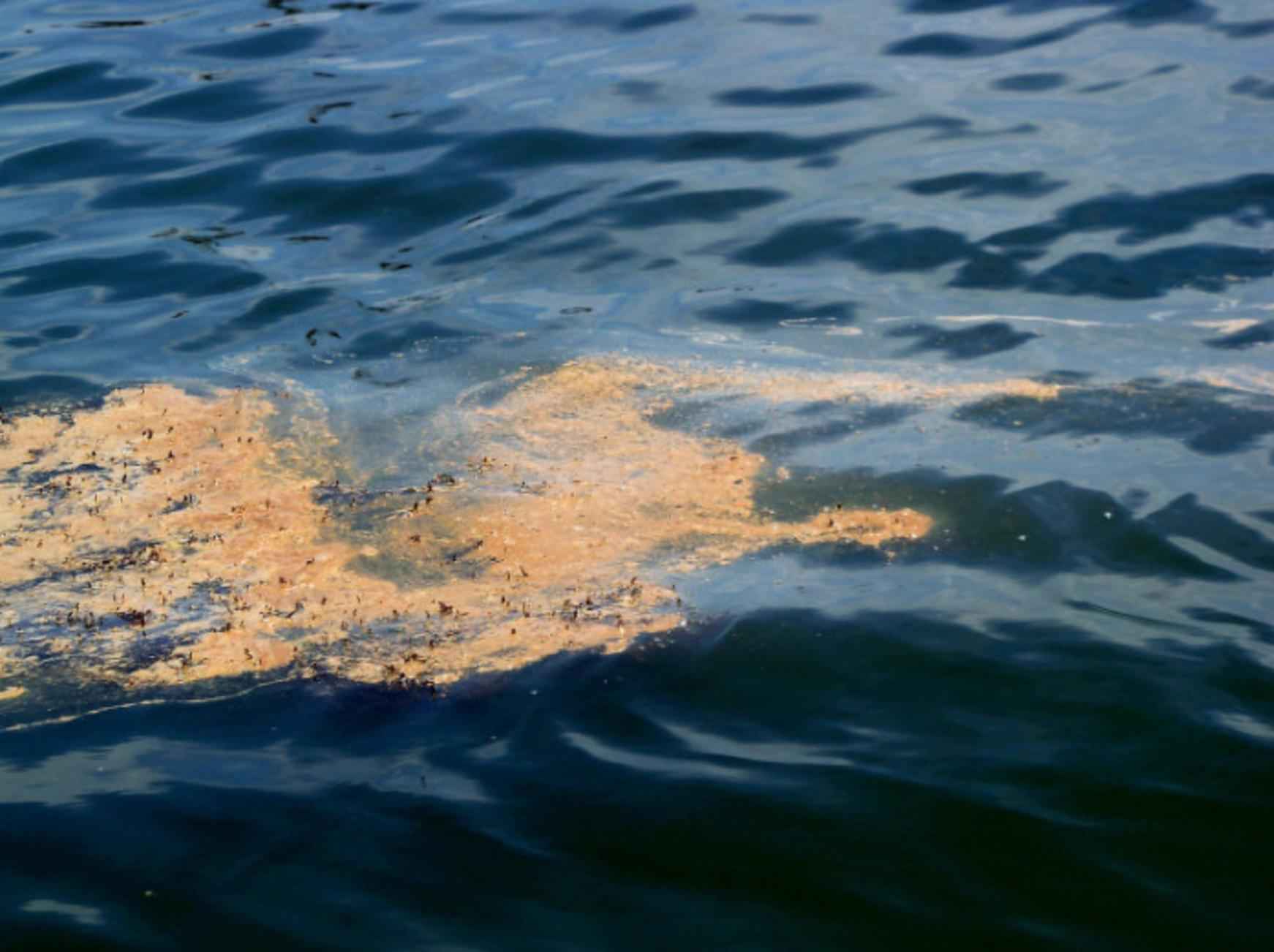
A slick from a stranded tanker in the Arabian Sea now covers an estimated 500 square miles and has reached the Omani mainland. Iran is demanding compensation. Basic facts about the spill remain unknown.
-
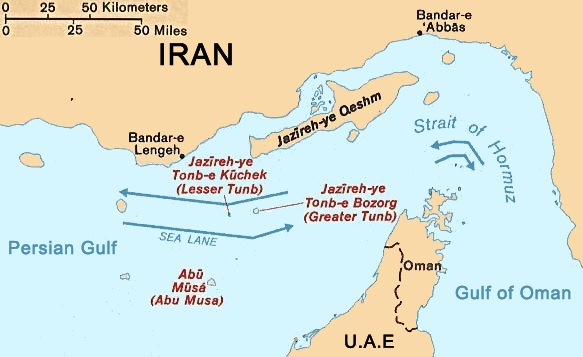
Trump says the US has total control of the Strait of Hormuz. Iran’s Revolutionary Guard says no vessel passes without its permission. Fourteen ships crossed on Tuesday, against about 120 a day before the war.
-
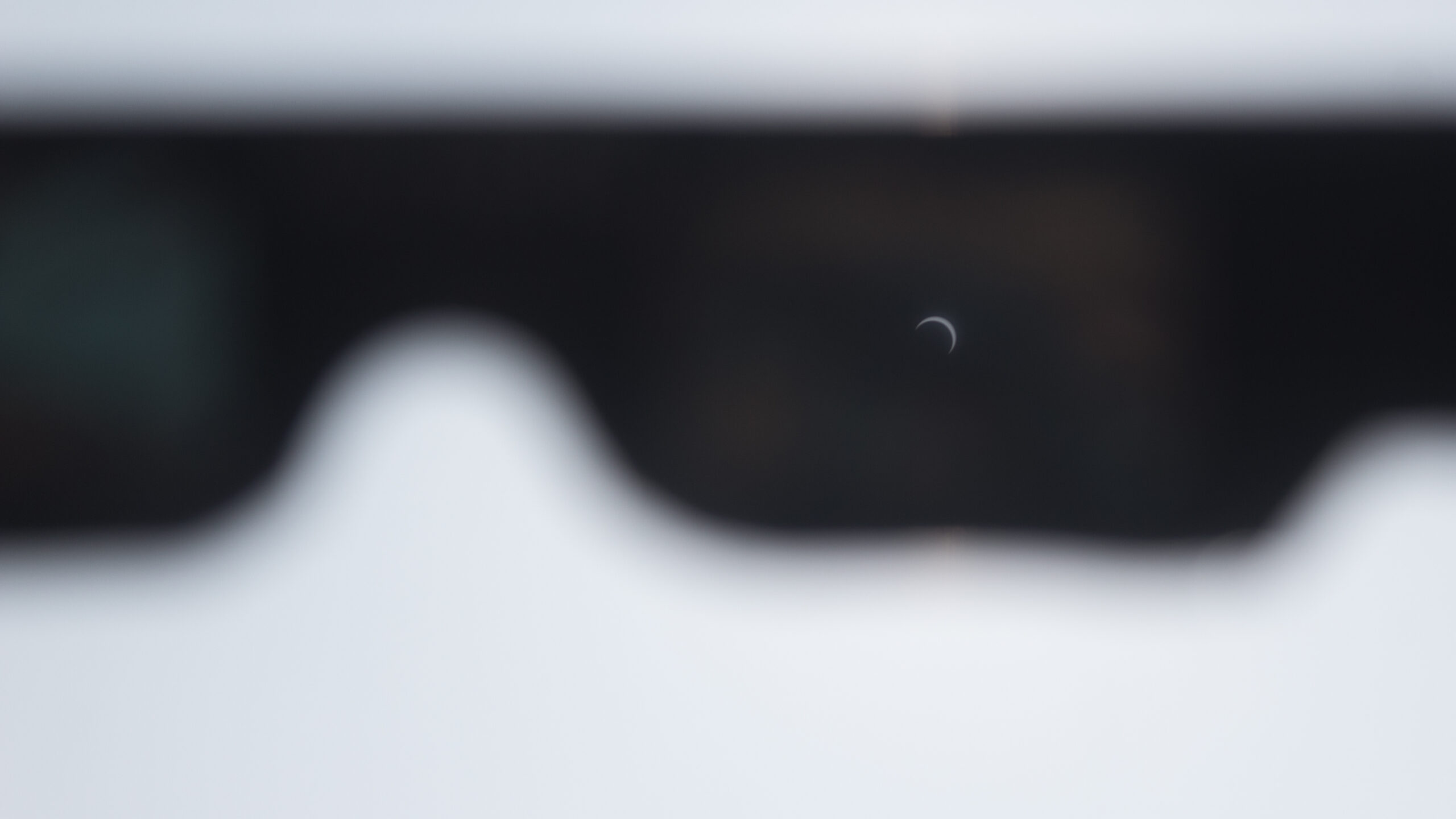
Millions were told Earth would lose gravity for seven seconds during the 12 August eclipse, killing 40 million people. It didn’t. How the “Project Anchor” hoax was built, and the three questions that would have caught it.
-

At his general audience on 12 August, Pope Leo XIV told Catholics that watching Mass online cannot replace being there — while urging communities to make it possible for those who work Sundays to attend.
-

Deep brain stimulation eases Parkinson’s symptoms, but not equally for everyone and nobody could fully explain why. Researchers now report that the benefit tracks a specific brain network communicating at 20 to 35 hertz.
-
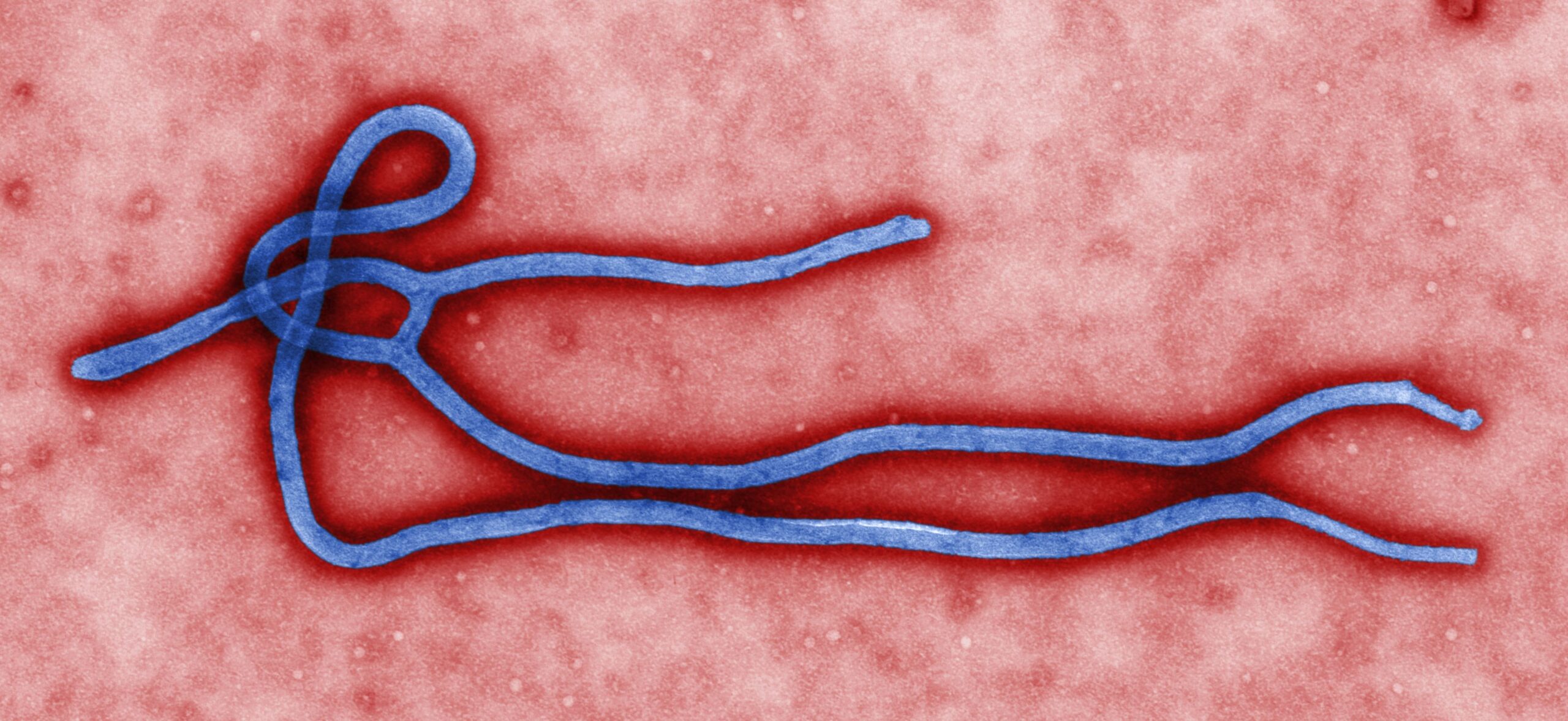
Nurses and contact tracers at the centre of Congo’s Ebola outbreak walked out in Bunia demanding wages unpaid since the epidemic was declared in May. The failure isn’t medical — it’s that the money never reached the people doing the work.
-
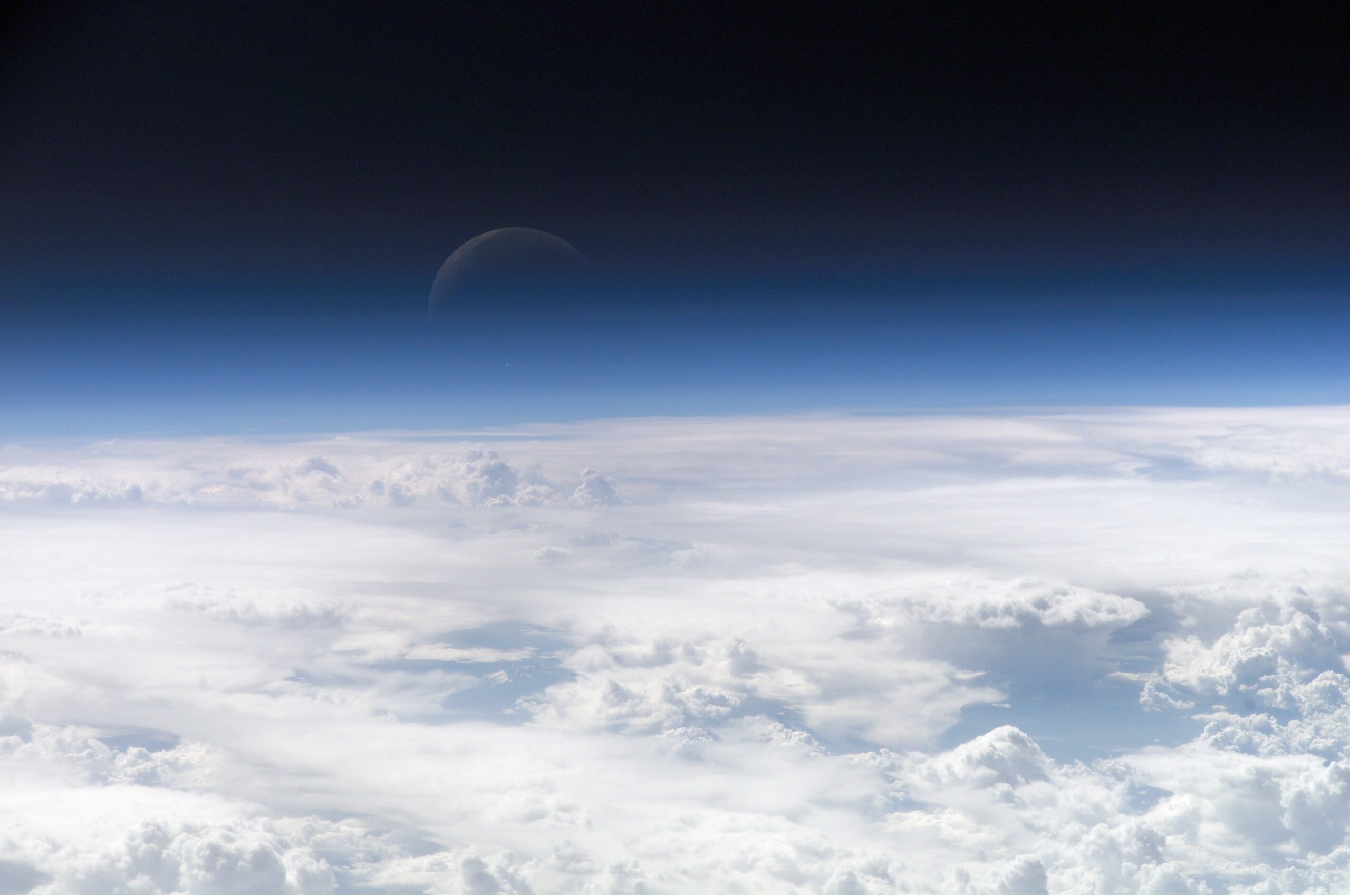
Kyoto University researchers used the published orbital data of 1,200 Starlink satellites to produce the first tomographic map of the thermosphere — turning a commercial internet constellation into a global atmospheric sensor network.
-
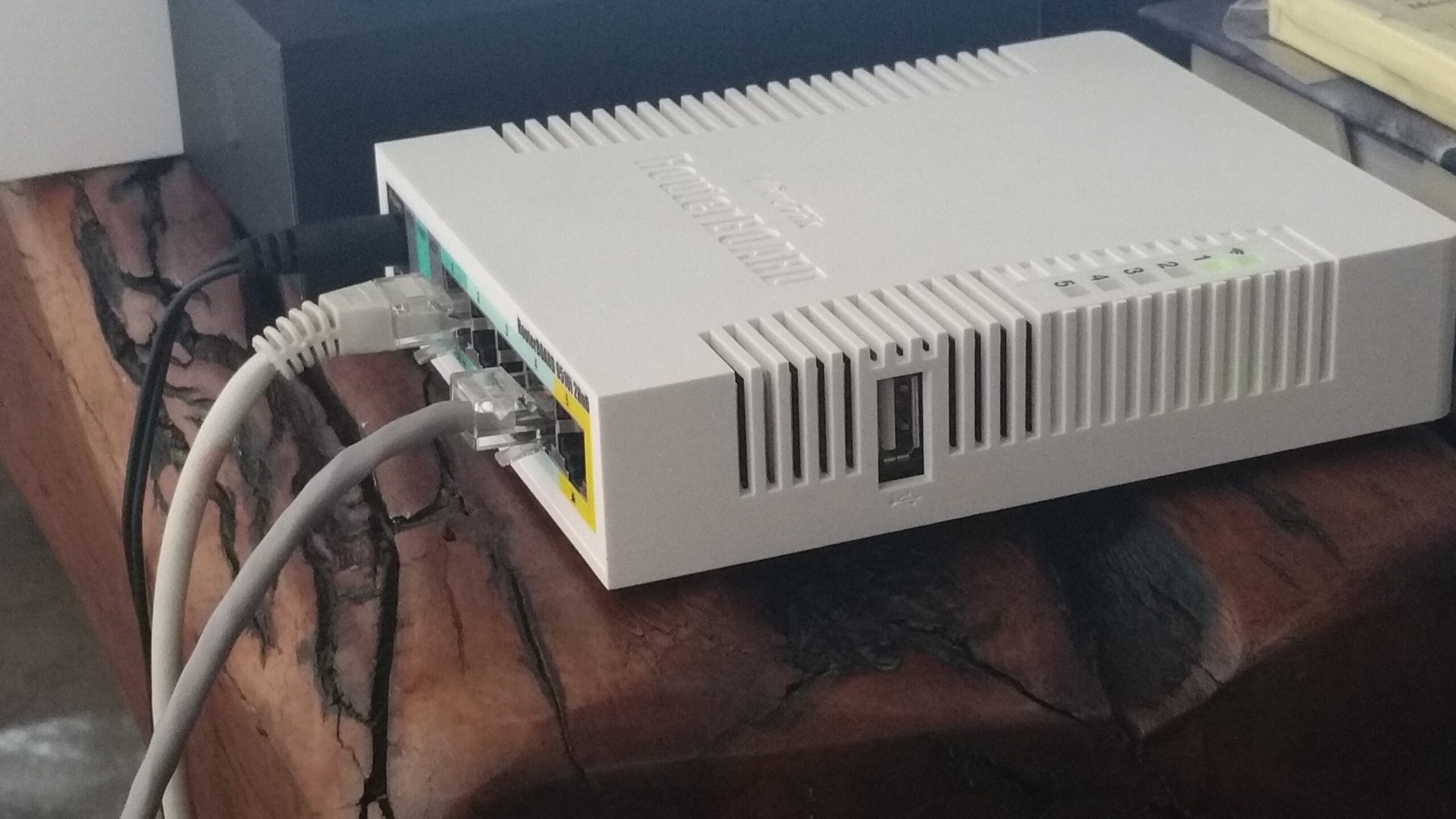
German researchers report identifying 197 test subjects with near-perfect accuracy using nothing but ordinary WiFi signals — no camera, no phone, nothing carried. What the study actually shows, and what it doesn’t.