Category: Explainers
-

Monsoon rainfall totals often look normal while the damage sets records. Why the shape of the rain matters more than the amount — and how much of the death toll is drainage, embankments and building standards.
-

Washington and Beijing are asking countries to choose between two kinds of AI. The difference comes down to whether you can download the model or only rent access to it — and that determines who depends on whom.
-
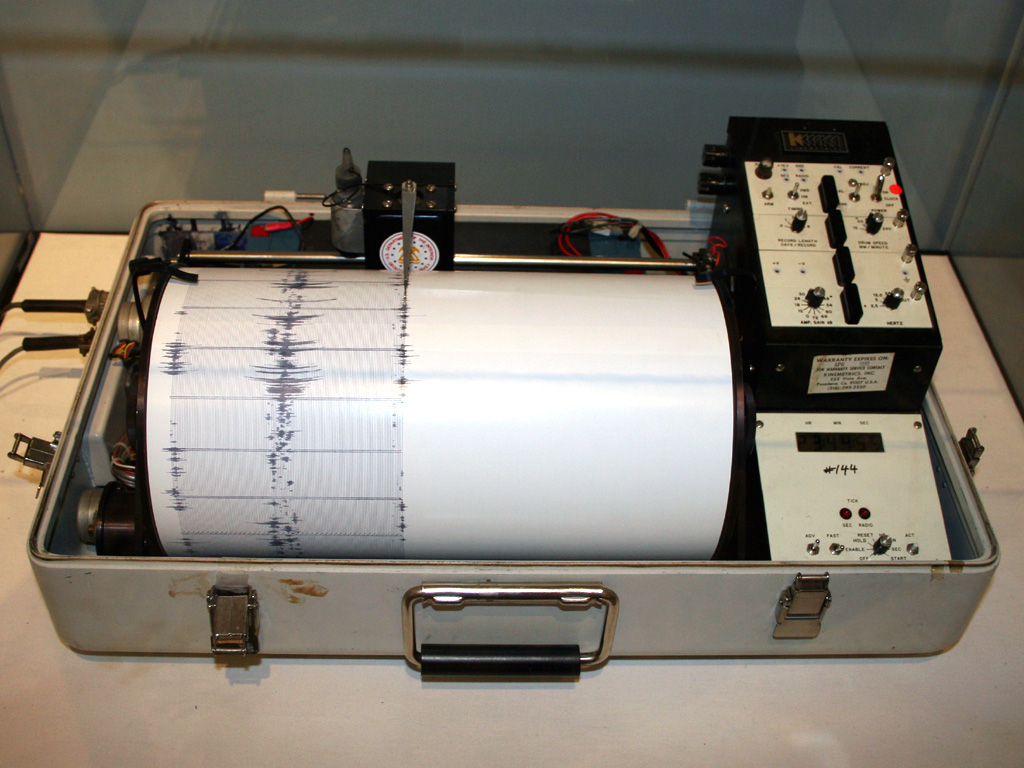
A tsunami warning was issued after Saturday’s Indonesian earthquake and lifted within the hour. Why that is the system working, why depth matters more than magnitude, and the advice that needs no technology.
-

Recovering a fifth of spilled oil counts as a good result even in prepared, wealthy waters. What actually happens to oil at sea, the four tools available, and why enclosed warm seas in conflict zones are the worst case.
-

Millions were told Earth would lose gravity for seven seconds during the 12 August eclipse, killing 40 million people. It didn’t. How the “Project Anchor” hoax was built, and the three questions that would have caught it.
-

A pattern runs through several Gulf royal cases: confinement in a home rather than a prison, doctors employed by the household, and a psychiatric label attached to the woman who objects. An explainer on why that pattern is so difficult for courts, police and the UN to touch.
-

Why do disaster death tolls and missing-person counts vary so wildly? What each figure actually measures — and why most people reported missing turn out to be alive.
-

Five questions that tell you how much a health headline is worth: was it in people, how many, was there a control group, correlation or cause, and how big is the effect really.
-

A caldera is not a crater. One is made by an explosion, the other by collapse — and the difference tells you what a volcano has been capable of.
-

Governments announce inquiries constantly. What a judicial commission actually is, what it can and cannot do, and the four questions that reveal whether one is serious.