Category: Fact Check
-

Petrol at $4.14 a gallon is a Labor Day record in cash terms. Adjusted for inflation, 2008 was the equivalent of $5.63, and 2005 and 2022 were also higher. Which measure is right depends on what you are trying to know — and both sides of politics can use the same number.
-

The White House says Iranian inflation is above 100 per cent and the state cannot pay its police. Neither figure is attributed to any index or source, and wartime disruption makes Iranian price data unusually hard to verify. What can and cannot be established.
-

Much of the early coverage described Wednesday’s Nepal disaster as a glacial lake outburst flood. Nepal’s disaster authority says satellite imagery points to an ice-and-rock landslide instead. The difference is not pedantic — it changes what can be monitored.
-

The president said the US Navy had cleared all mines from the Strait of Hormuz. The next day, Iran and Oman agreed a joint project to clear the strait of mines. Both statements can stand — but only because of where the shipping lanes actually run.
-

Is familiarity making people comfortable with AI? US survey data says the opposite: 52% are more concerned than excited, up from 37% in 2021. What the question actually measures, and why adoption and unease are rising together.
-
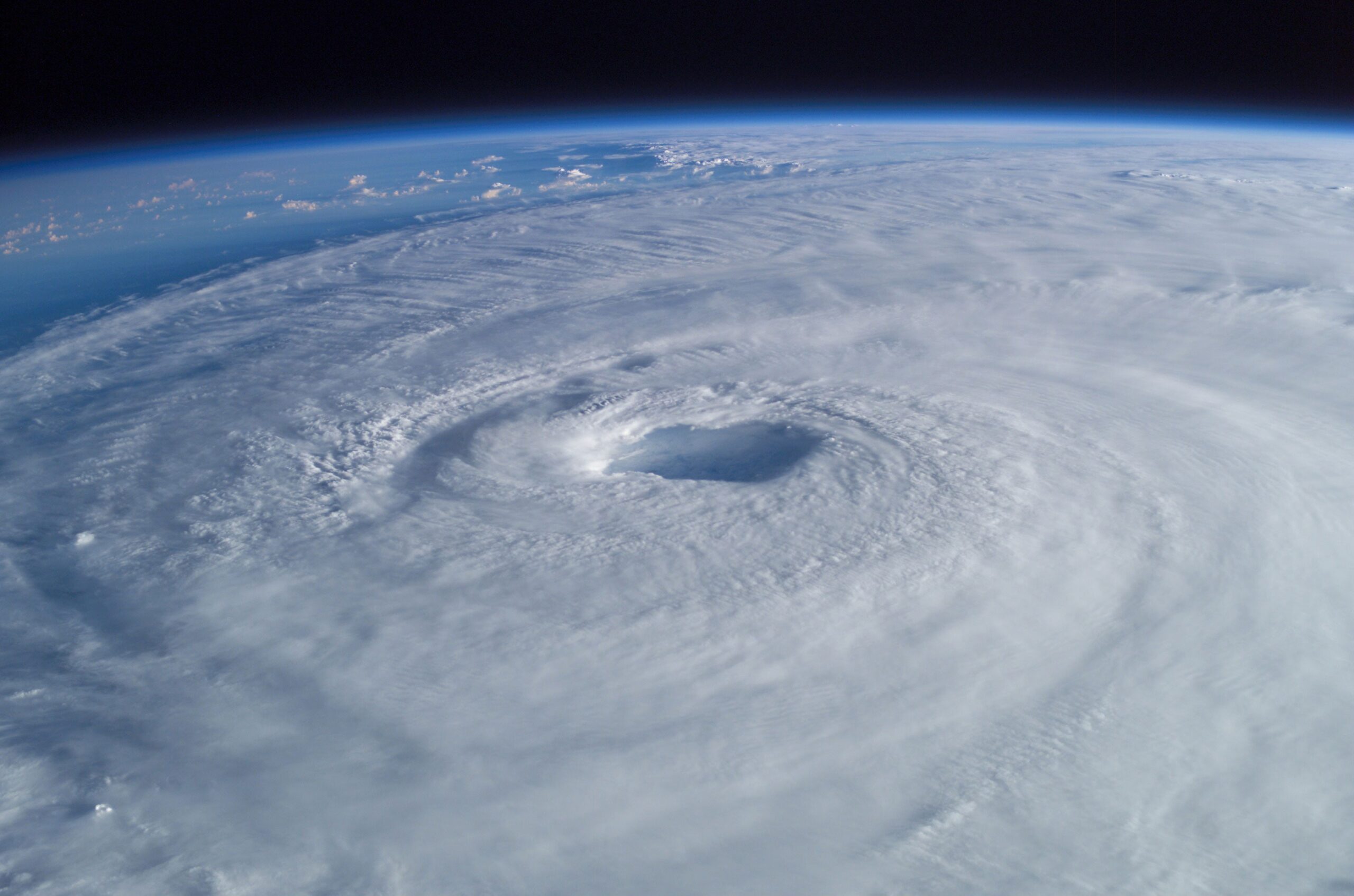
Does a storm’s category tell you how dangerous it is? No — the Saffir-Simpson scale measures wind alone, and water kills most people. Why a downgrade is not an all-clear, and the four things worth checking instead.
-

Can earthquakes be predicted? No — but forecasting and early warning are real and often confused with it. Why prediction has resisted a century of research, why “earthquake weather” persists, and three questions that test any prediction claim.
-

The claim that global warming has paused keeps returning because temperature records are genuinely noisy. Where the claim comes from, what a 2026 analysis found once natural variability was removed, and three questions that test any trend claim.
-
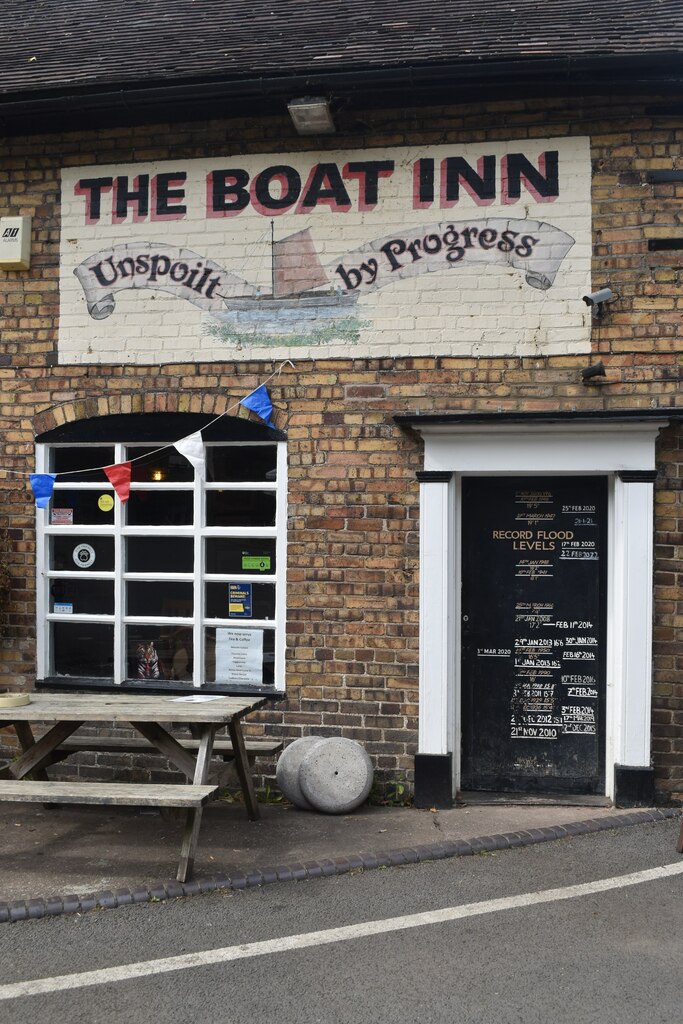
A “hundred-year flood” is not a flood that happens once a century. It is a water level with a one per cent chance in any given year — which means roughly a one-in-four chance over a thirty-year mortgage. Why the phrase misleads, and what to ask instead.
-

“The climate has always changed, so current warming must be natural.” The first part is true. The second doesn’t follow. Why the argument keeps working, and what the evidence actually shows.