Category: Explainers
-

Countries sign memoranda of understanding constantly. What one actually is, why it isn’t a treaty, and why governments sign documents that don’t legally bind them.
-

A bill passed the Senate 86–11 — and it still isn’t law. The stages a bill travels, why leadership can kill one without a vote, and how to read a lopsided margin.
-

Can a country legally close a strait? Transit passage, territorial seas, and why a clear rule still doesn’t settle what happens in the Strait of Hormuz.
-

A sanctioned tanker carrying a million barrels is sinking off Oman and leaking oil ashore. What the “shadow fleet” actually is, and why these ships spill more and pay less.
-

New research suggests nearly half of dementia cases may be linked to changeable risks. What “modifiable risk” really means, why it isn’t about blame, and why it’s a policy question as much as a personal one.
-

Earth’s molten iron core has reversed direction beneath the Pacific and scientists don’t know why. What the core is, how anyone can tell what it’s doing — and why this is fascinating rather than alarming.
-

Kuwait intercepted drones this week; Germany found one carrying explosives by a runway. How drone defence actually works — detection, interception, and the cost imbalance that makes it so hard.
-
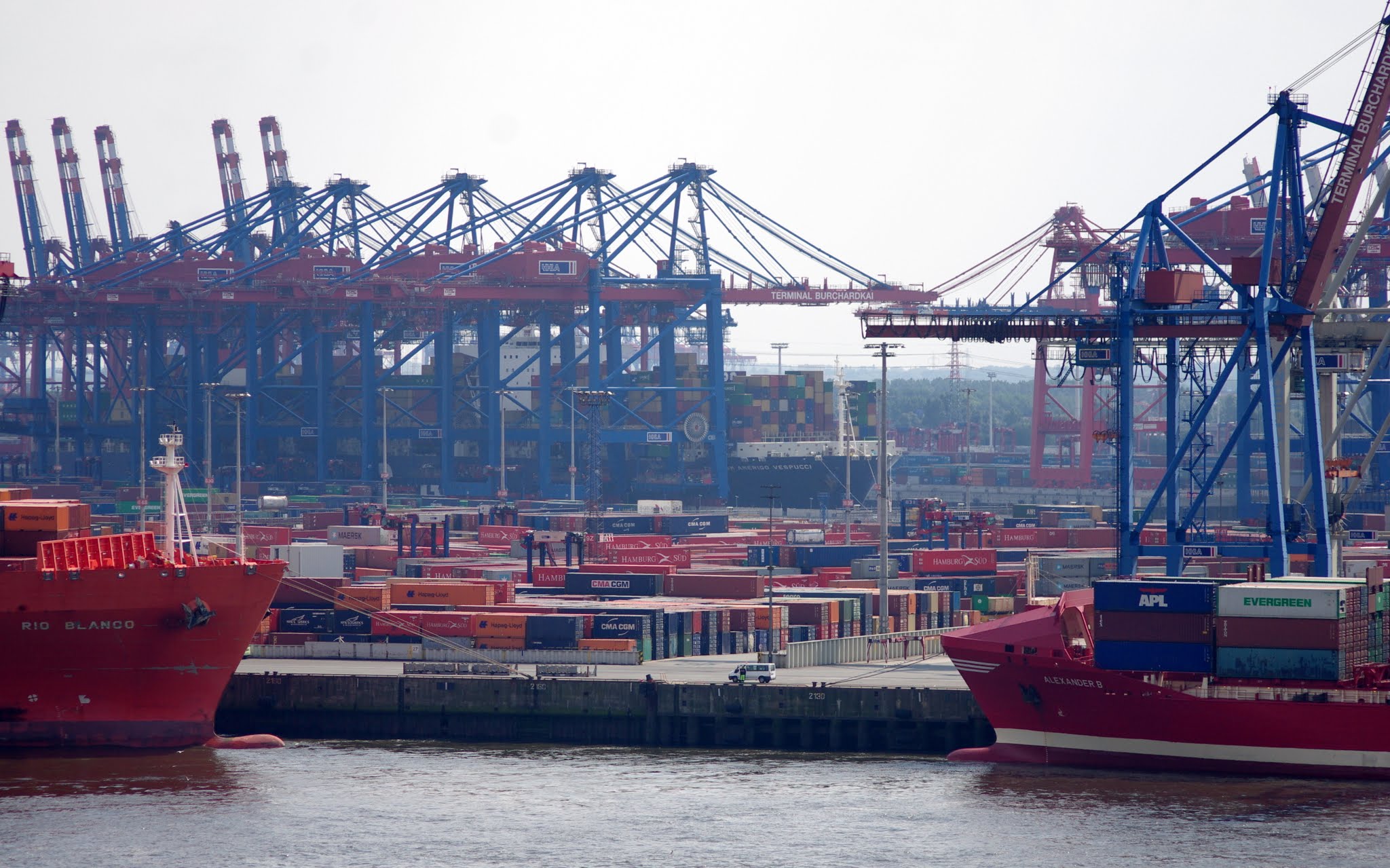
A ship is hit far away and fuel gets pricier at home. War-risk premiums, rerouting and trader expectations — the three-step mechanism that turns distant danger into your energy bill.
-

A German diocese criticised a donor who offered money in exchange for baptisms. Why paying for a sacrament has a name — simony — and why churches have banned it for centuries.
-

Ceasefire, truce, sanctions, extradition, executive order, war crime — the words news reports assume you already know, explained plainly, with examples from this week’s stories.