Category: Explainers
-

The IAEA cannot compel entry, impose sanctions or close a facility. It counts material, seals equipment and takes swipe samples — and only where a state has agreed to let it. What safeguards actually involve, and what happens when an inspected site is bombed.
-

The red light falling on an eclipsed moon is the combined glow of every sunrise and sunset happening on Earth at that moment, bent through the atmosphere and projected onto the lunar surface. Why it happens, and why some eclipses are darker than others.
-

A mountain valley can flood catastrophically on a clear day with no rain. Three separate mechanisms cause it — a bursting lake, a collapsing slope, and a river dammed then released — and each poses a different warning problem.
-

Navies do not declare water free of mines — they declare a probability that one remains. Sweeping versus hunting, why bottom mines sink out of sonar range, why ship-count fuses defeat clearance operations, and why the number to watch is the insurance premium.
-

The cheque goes to the importing country’s own treasury, written by one of its own companies. But who writes the cheque and who bears the cost are different questions, and the answer changes with the product. A plain-language guide to tariff incidence.
-
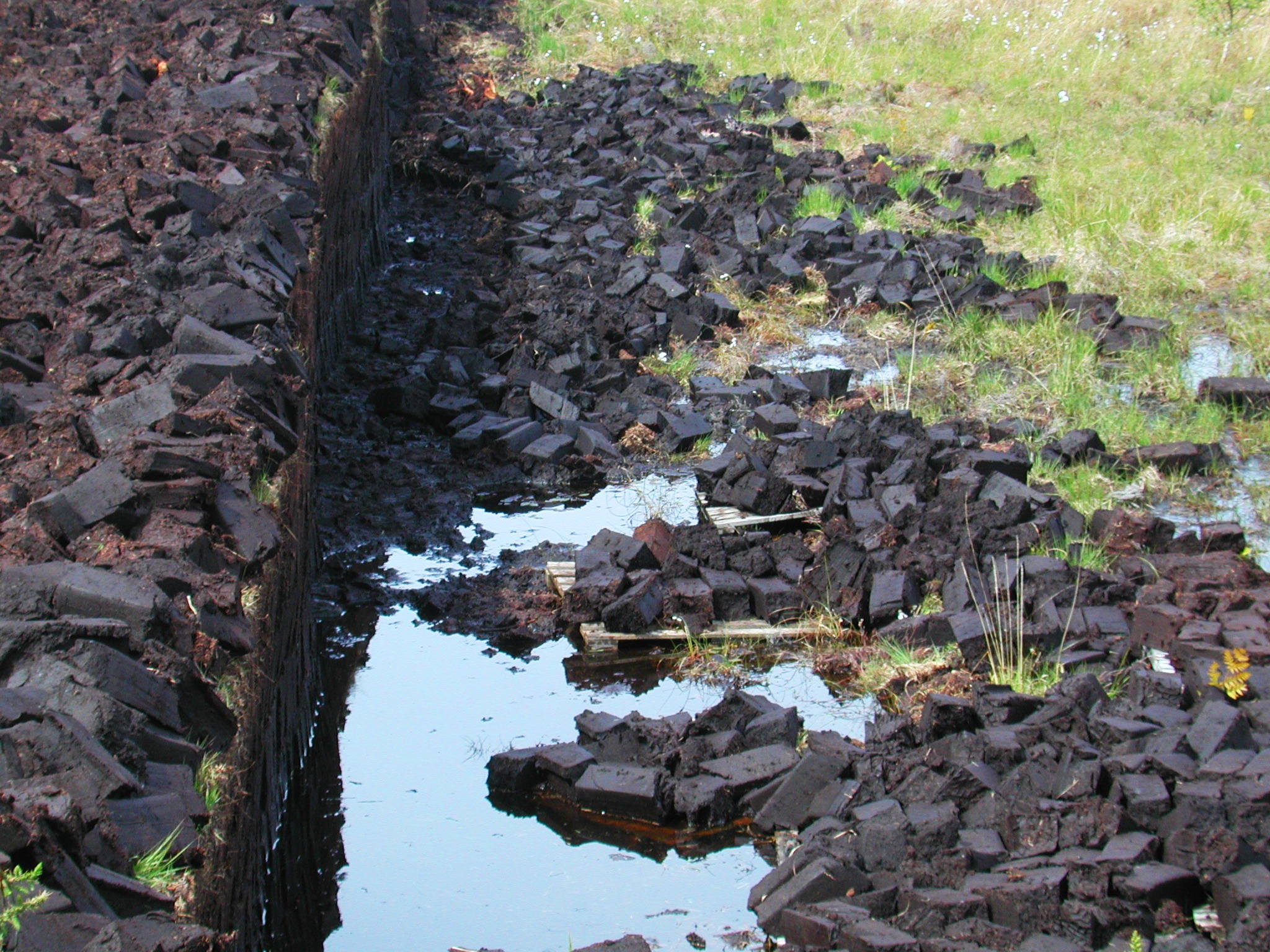
A forest fire burns in the air. A peat fire burns in the ground, travels beneath firebreaks, survives rain, and produces far more smoke per unit of fuel. Understanding the difference explains why water-bombing achieves so little and why the haze lasts for weeks.
-
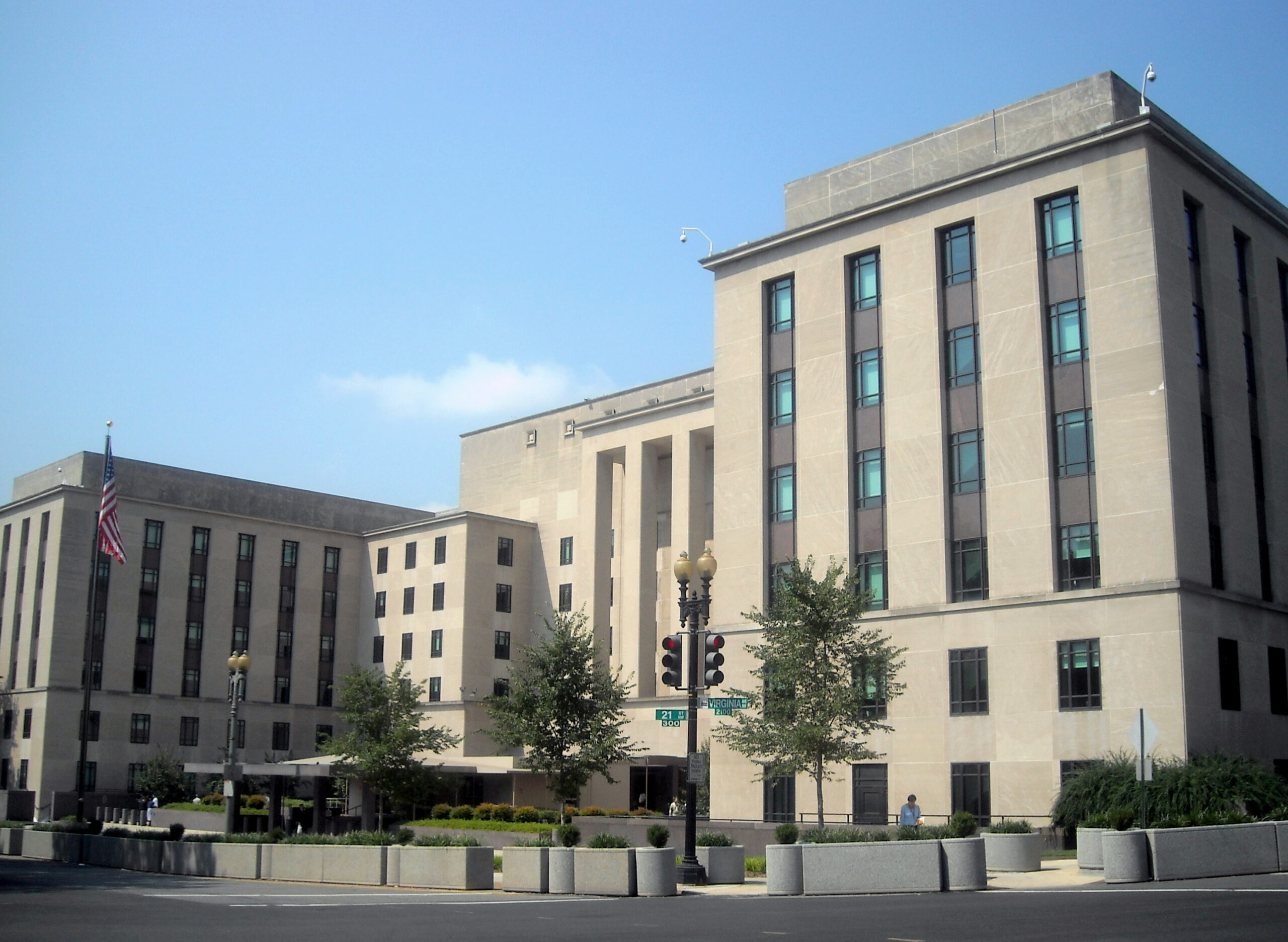
Syria’s removal from the American terrorism blacklist has put an obscure legal instrument on the front pages. What is the list, who decides who goes on it, how does a country get off, and why does a US designation matter to banks and shipping companies that are not American at all?
-

A new study links screen time in infancy to weaker academic performance years later. Four questions that determine what such a finding can actually support — what was measured, what it displaced, what else might explain it, and how big the effect is.
-

A second strike hit Kryvyi Rih’s shopping centre 26 minutes after the first, while rescuers worked. What “double-tap” means, which rules of war it engages, why intent is so hard to establish — and why the term still belongs in coverage.
-

Depot explosions in populated areas happen with grim regularity, from Libya to Chad to Russia. Why munitions sit inside cities, what a “sympathetic detonation” is, why the danger continues after the fire is out, and what the standards actually require.