Category: Explainers
-
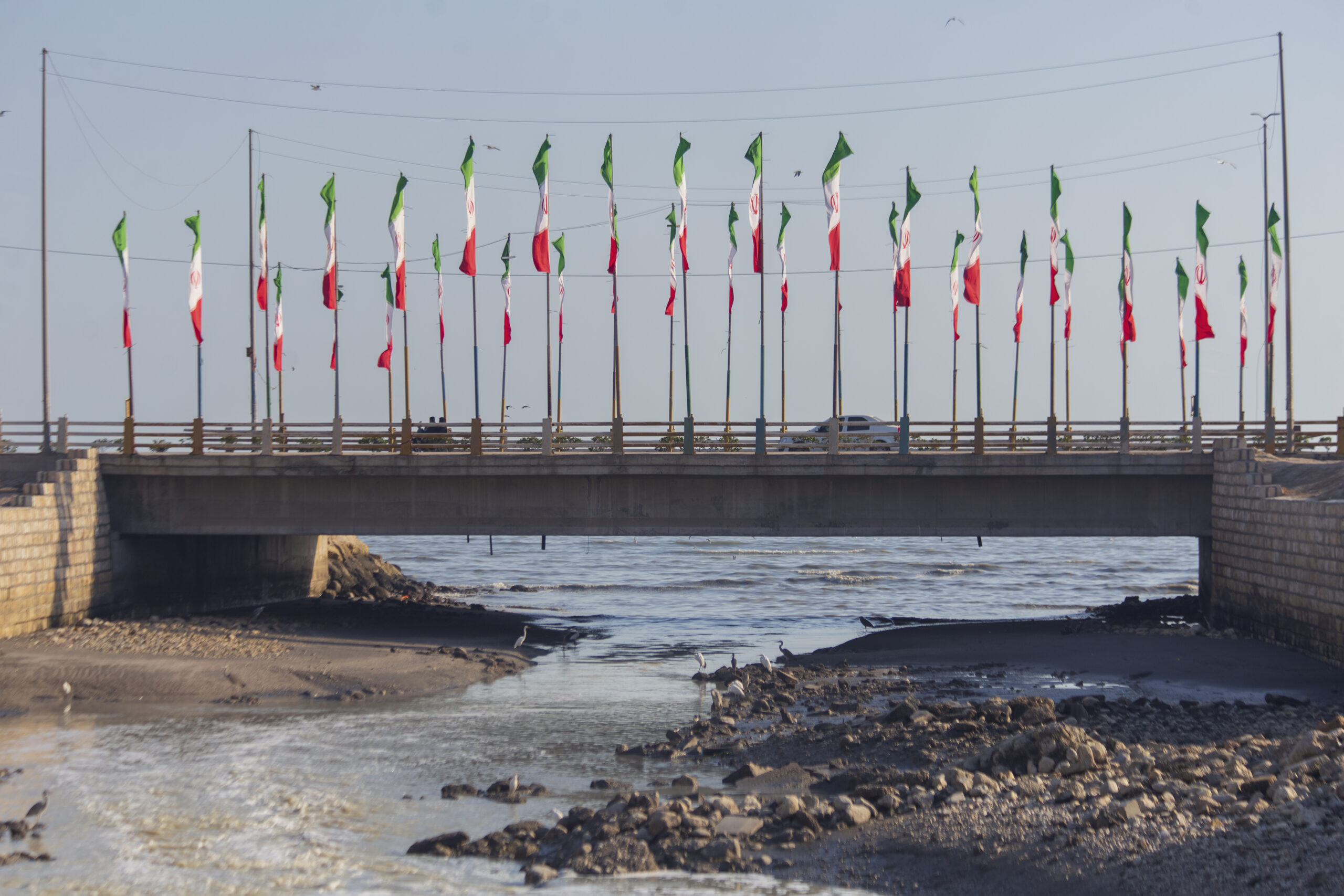
A “new phase”, a “position of power”, and a promise of “more failures” — three phrases from three leaders in one day. What each construction is actually doing, why the speaker matters more than the words, and the four indicators that cost something.
-

Trump has announced what he calls the most crushing economic operation ever against a country, aimed at Iran. What the instruments of economic warfare actually are, which one does the work, and what the evidence says about whether they change behaviour.
-

Hungary’s new president takes office today, elected by parliament and running unopposed. What a president actually does in a parliamentary republic, which of the limited powers matter, and why an uncontested election is worth reading carefully.
-

Two phrases run through the Meta coverage without explanation: multidistrict litigation and bellwether trial. What they mean, how an MDL differs from a class action, and why a bellwether verdict decides less than it appears to.
-

Sweden elects all 349 members of the Riksdag on 13 September, along with 21 regional and 290 municipal councils. How the system works, who the main contenders are, what the polls suggest — and why the polls are not the result.
-

Seven billion hens, four labels that mean very different things, and a transition that is uneven and often misunderstood. What cage-free actually means, what free-range doesn’t, and where the reform has and hasn’t reached.
-

“The climate has always changed, so current warming must be natural.” The first part is true. The second doesn’t follow. Why the argument keeps working, and what the evidence actually shows.
-

The phrase gets used every week without much explanation. What a “shadow fleet” actually is, the five workarounds that make it work, and why breaking it is harder than seizing individual ships.
-

A viral claim says HAARP caused the Flores earthquake, pointing to “square” clouds as evidence. The claim is false — by roughly twelve orders of magnitude. Why the same story attaches to every large disaster.
-
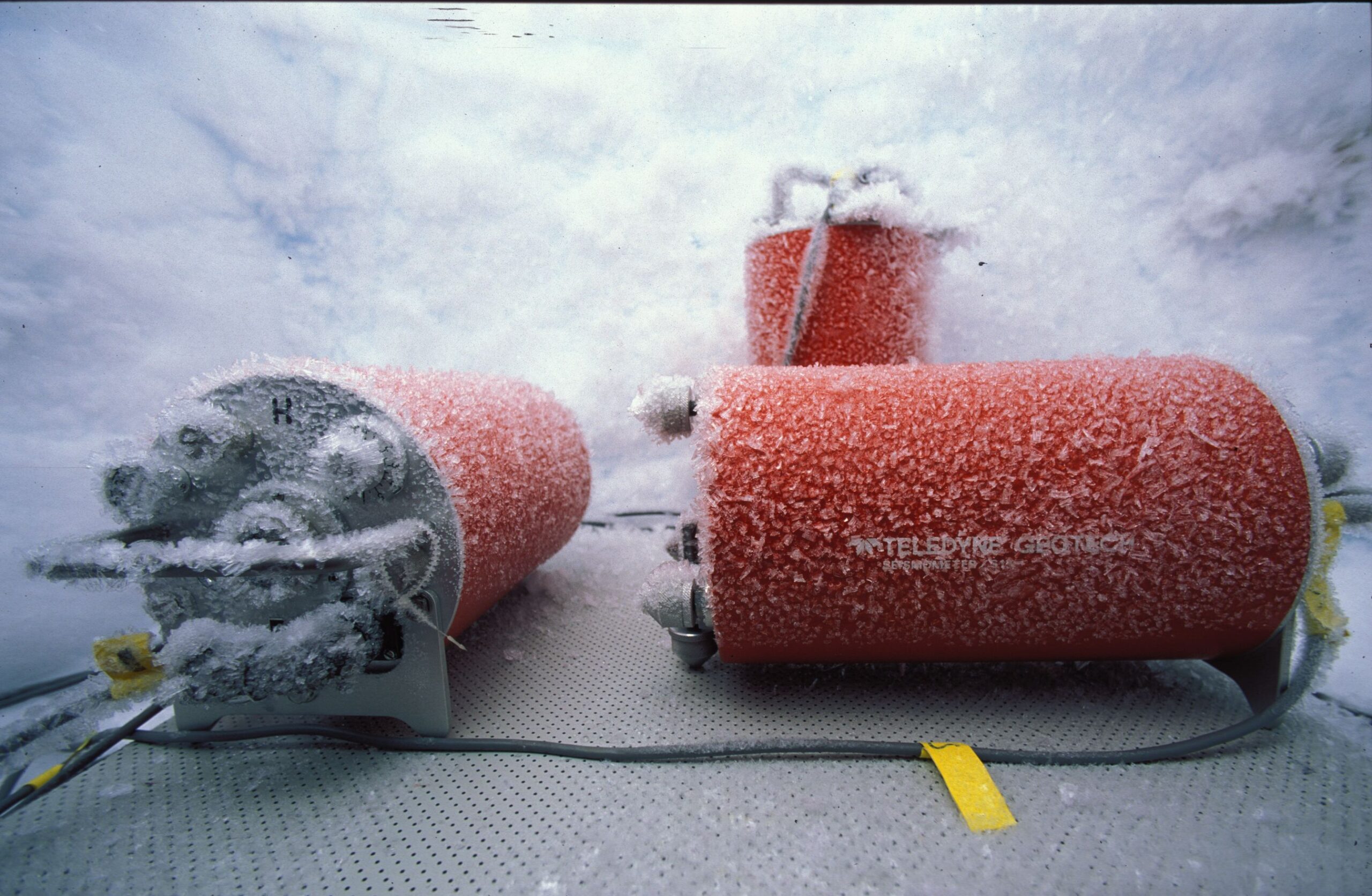
235 aftershocks followed the Flores earthquake in a day and a half. Why that is normal, the two rules that describe aftershock behaviour, and why a magnitude 6.1 is far more dangerous after a 7.7 than on its own.