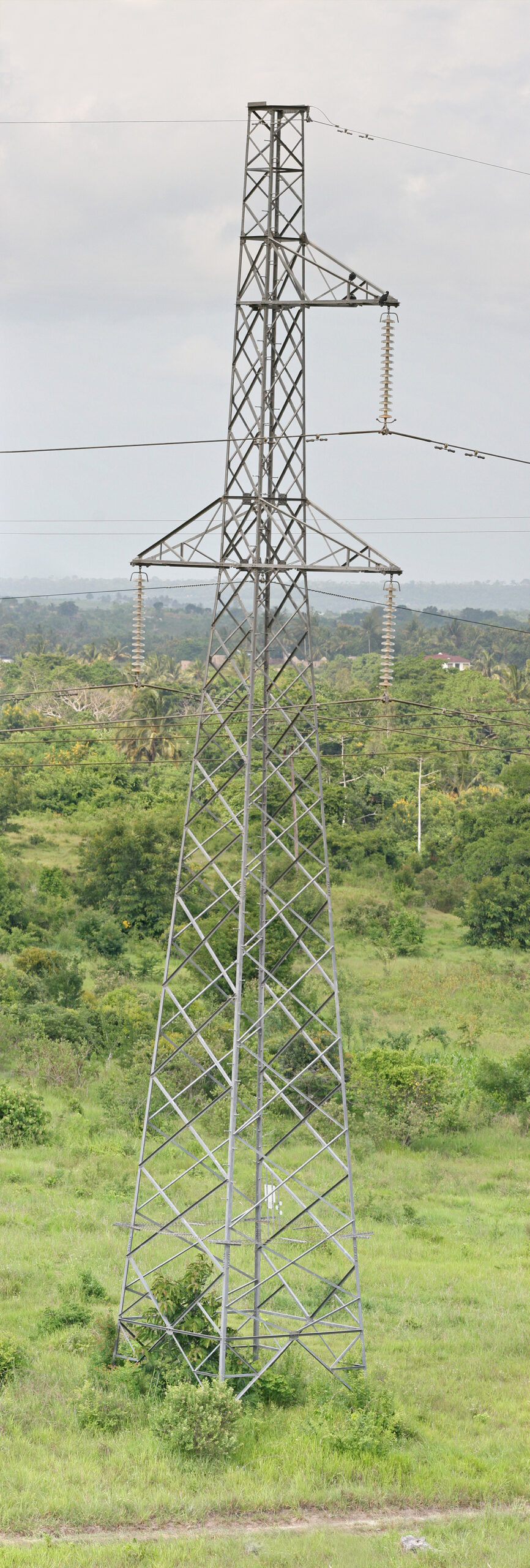
Russia struck Ukraine’s power grid across at least ten regions overnight, killing seven people in what the Guardian described as the biggest attack on the energy system in months. Emergency power cuts were imposed in Kyiv for the first time since spring.
It is day 1,681 of the full-scale war, and the timing is the part that matters.
Advertisement — ad space reserved
Why October
Attacks on the Ukrainian grid have followed an annual pattern since 2022, concentrated before and during winter. The logic is not subtle.
Ukrainian winters are severe, and much of the housing stock depends on district heating — centralised systems that pump hot water to whole neighbourhoods and require electricity to run. Damage to generation and transmission in October therefore threatens heating in January, with repairs having to be made in freezing conditions and with damaged equipment increasingly hard to replace.
Striking before winter also maximises the repair burden. A grid attacked in October must be fixed in the months when fixing it is hardest and when the consequences of failure are most severe.
The legal question, stated plainly
Power stations occupy a genuinely contested place in the law of armed conflict, and it is worth being accurate about why.
Electricity is dual-use: it powers military facilities and hospitals alike. An attacking state can argue that generating capacity contributes to military action and is therefore a legitimate target. That argument has been made by many states, not only Russia.
What constrains it is proportionality, and the position of international lawyers who have examined these attacks is that a campaign systematically degrading the civilian grid before winter, across a whole country, is difficult to justify as proportionate to any concrete military advantage. There is also a specific prohibition on attacking objects indispensable to the survival of the civilian population.
Russia’s stated position is that it targets military and military-related infrastructure. That characterisation is disputed by Ukraine, by UN monitors and by the governments supplying Ukraine’s air defences.
Advertisement — ad space reserved
What emergency cuts actually mean
There is a distinction worth knowing. Scheduled outages are planned rationing, announced in advance, so households know when they will have power. Emergency cuts are imposed without notice because the grid would otherwise collapse.
The second is considerably worse to live with. Unannounced outages mean lifts stop with people inside, medical equipment fails without warning, water pumps stop in high-rise buildings, and nobody can plan around them.
That Kyiv has reverted to emergency cuts for the first time since spring is the clearest available measure of the damage done overnight.
The other half of the exchange
President Volodymyr Zelensky said this week that a new Ukrainian-made tactical ballistic missile, the FP-7, has been used in combat, and its manufacturer says it is also being developed as an interceptor. We look at that separately today.
Ukraine has also struck Russian energy and refining infrastructure repeatedly. This paper’s position on that symmetry is the one set out in our editorial standards: we report deaths on both sides, attribute each government’s justification to the government making it, and do not adopt either as established fact.
Seven people were killed in Ukraine overnight. That number is small by the standards of this war and is not small to anyone involved.
Advertisement — ad space reserved
Sources
- The Guardian, Ukraine war briefing: Russia pounds power grid with seven killed in biggest energy attack in months, 2 October 2026
- The Guardian, Ukraine war briefing: Zelenskyy says new ballistic missile used in combat, 2 October 2026
- Additional Protocol I to the Geneva Conventions, provisions on proportionality and on objects indispensable to civilian survival
- Published legal analysis of attacks on electrical infrastructure in armed conflict
Leave a Reply