Category: Americas
-
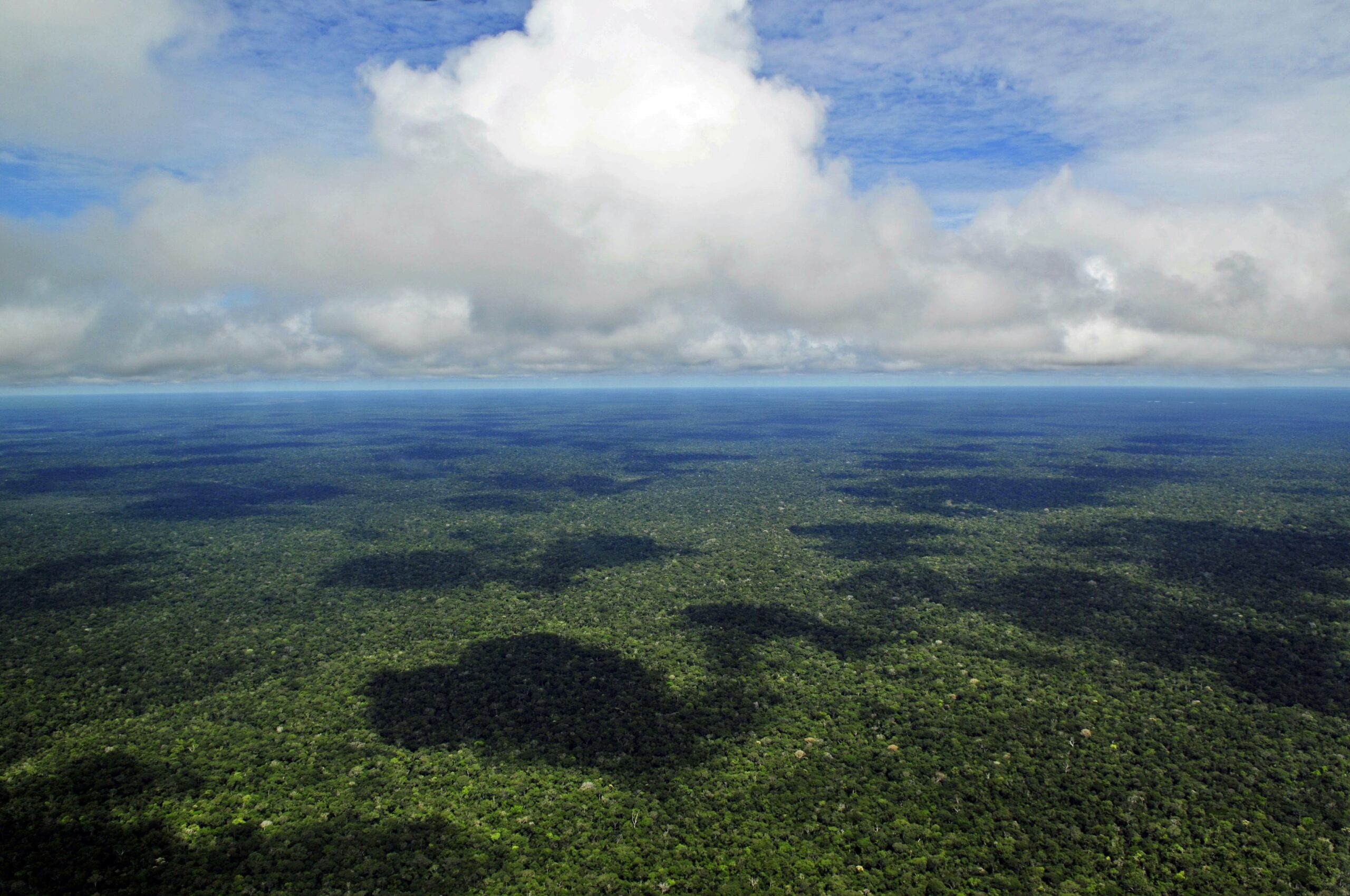
Amazon deforestation fell 37% to 2,874 km², the lowest since satellite monitoring began in 2016. How the figure is measured, what it leaves out, and why it’s still an area the size of Luxembourg.
-

A bill passed the Senate 86–11 — and it still isn’t law. The stages a bill travels, why leadership can kill one without a vote, and how to read a lopsided margin.
-
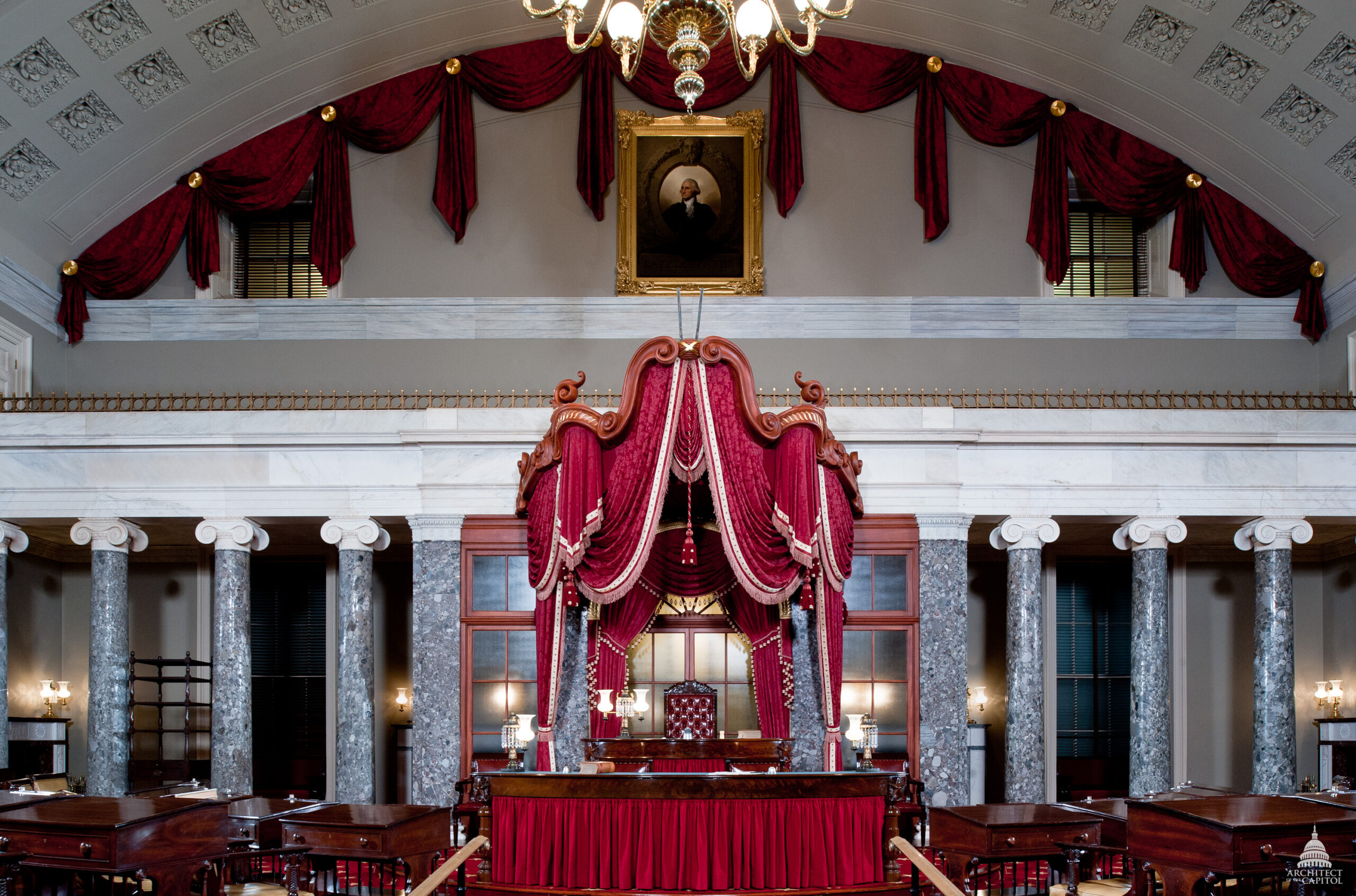
The US Senate has passed a sweeping sanctions bill 86–11, targeting Russian officials, banks and the shadow fleet, and authorising tariffs on countries that buy Russian oil.
-

The US has recorded 2,465 confirmed measles cases in 2026. What “eliminated” actually meant, why measles returns first, and why national averages hide the real risk.
-

The Senate has blocked a rule giving the White House more control over federally funded research. What a “rule” is, and the real argument about who decides what gets studied.
-

Michigan has reported the first two deaths in a cyclosporiasis outbreak. What the parasite is, how people catch it, who is most at risk — and why washing salad isn’t the whole answer.
-
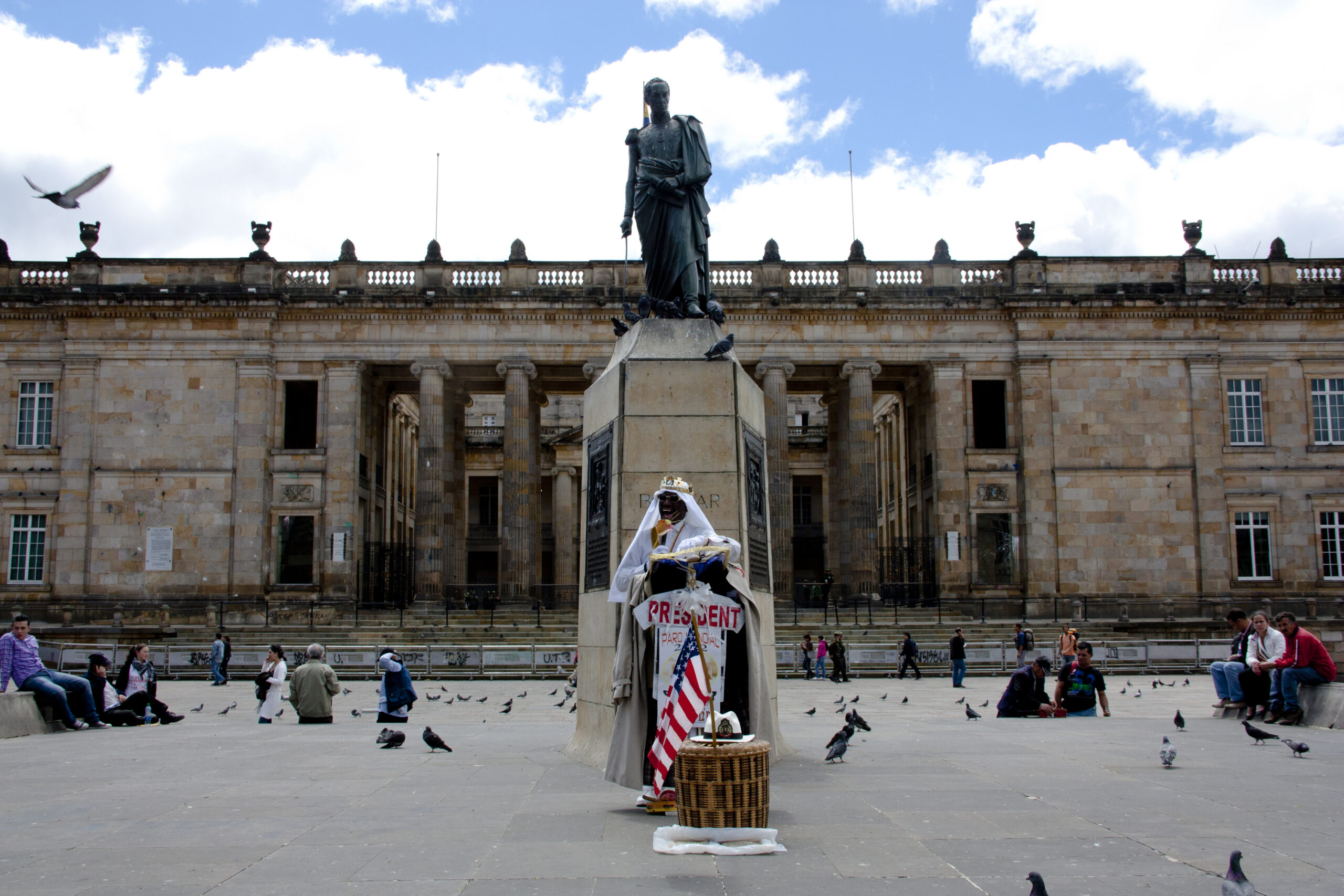
Abelardo de la Espriella was sworn in as Colombia’s president outside Bogotá, breaking a century-old tradition. Why the setting of an inauguration is itself a political message.
-

A candidate won a US primary campaigning against data centres. What data centres are, why residents fight them over power and water bills, and why the same argument is heading to Europe.
-

A Senate committee voted to hold Anthony Fauci in contempt of Congress. What contempt of Congress actually is, what has to happen next, and why the case divides opinion so sharply.
-

The US has formally requested the extradition of Filipino pastor Apollo Quiboloy on sex-trafficking charges. What extradition actually involves, and why cases involving religious leaders are handled carefully.