Category: Americas
-

Primaries were held in several US states this week. What a primary actually decides, why some go to runoffs, and why reading national trends into one state’s result is usually a mistake.
-

The Bald Range fire has emptied the village of Summerland and forced 20,000 people from their homes in British Columbia. Why valley towns are so hard to evacuate.
-

Rescuers are still finding survivors in Colombia three days on, while official and civilian counts of the missing differ by thousands. What is known, and why the numbers disagree.
-
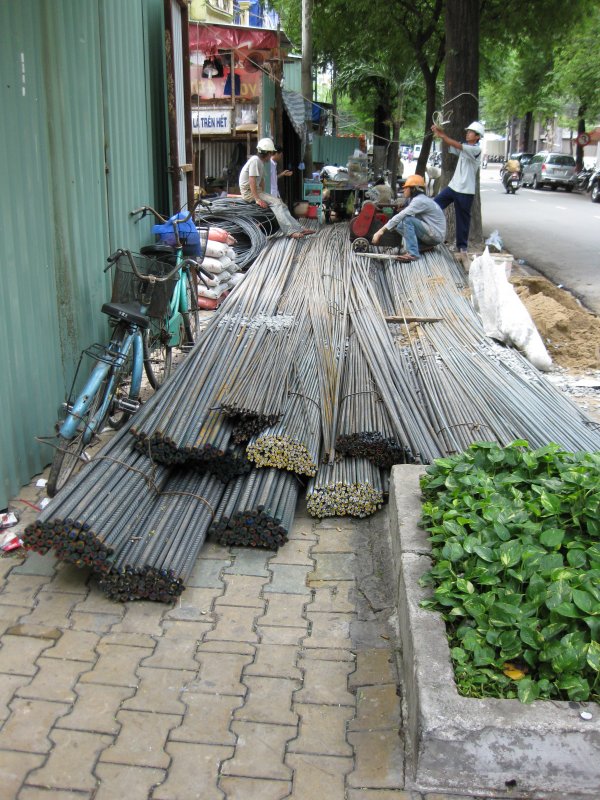
Why do buildings fall down in earthquakes? What seismic design costs, why economists say the market underprices it, and the argument over codes and enforcement.
-
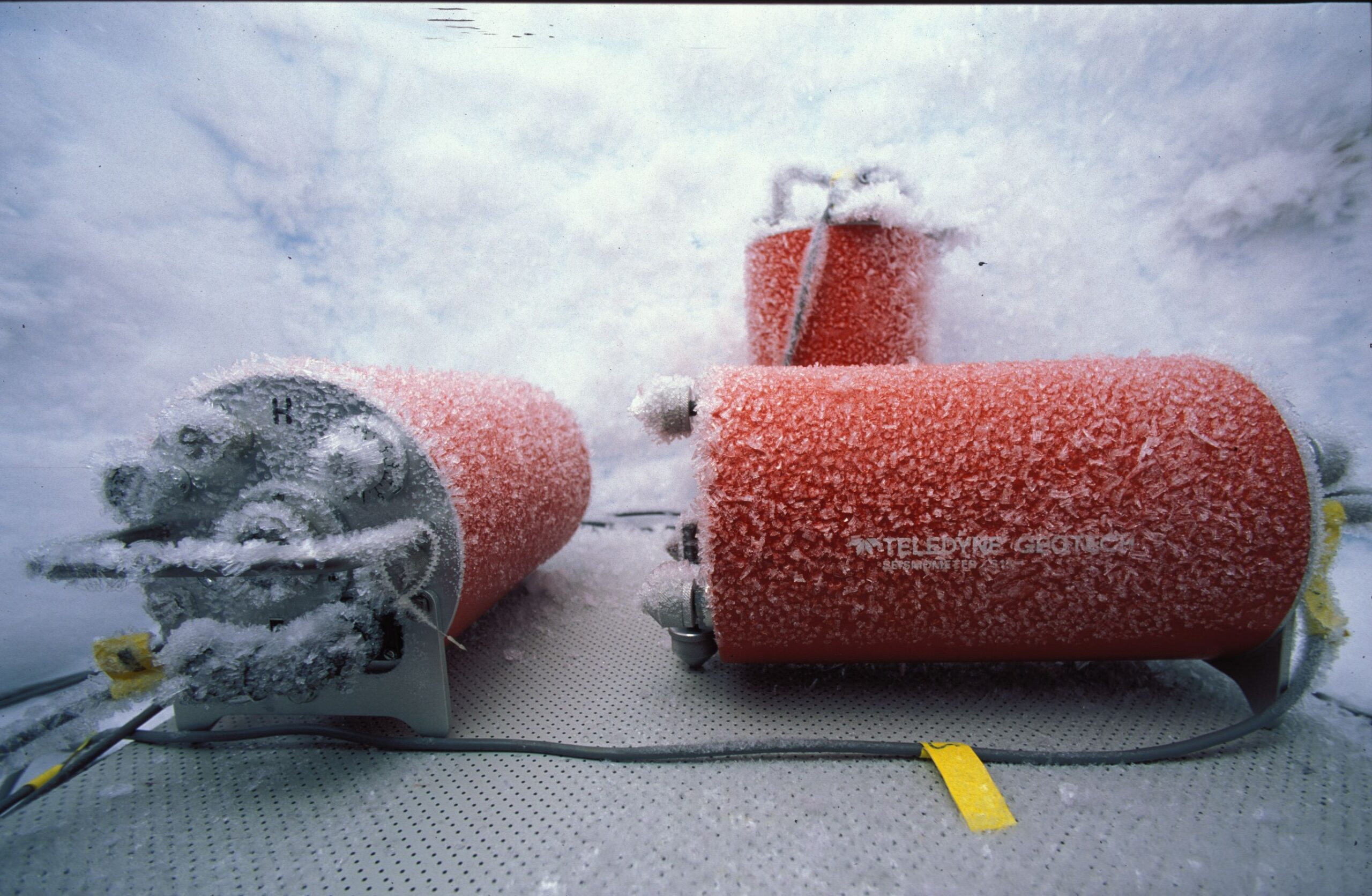
Magnitude 7.4 at 103km deep. What magnitude actually measures, why depth changes everything, and the number that predicts damage far better than either.
-
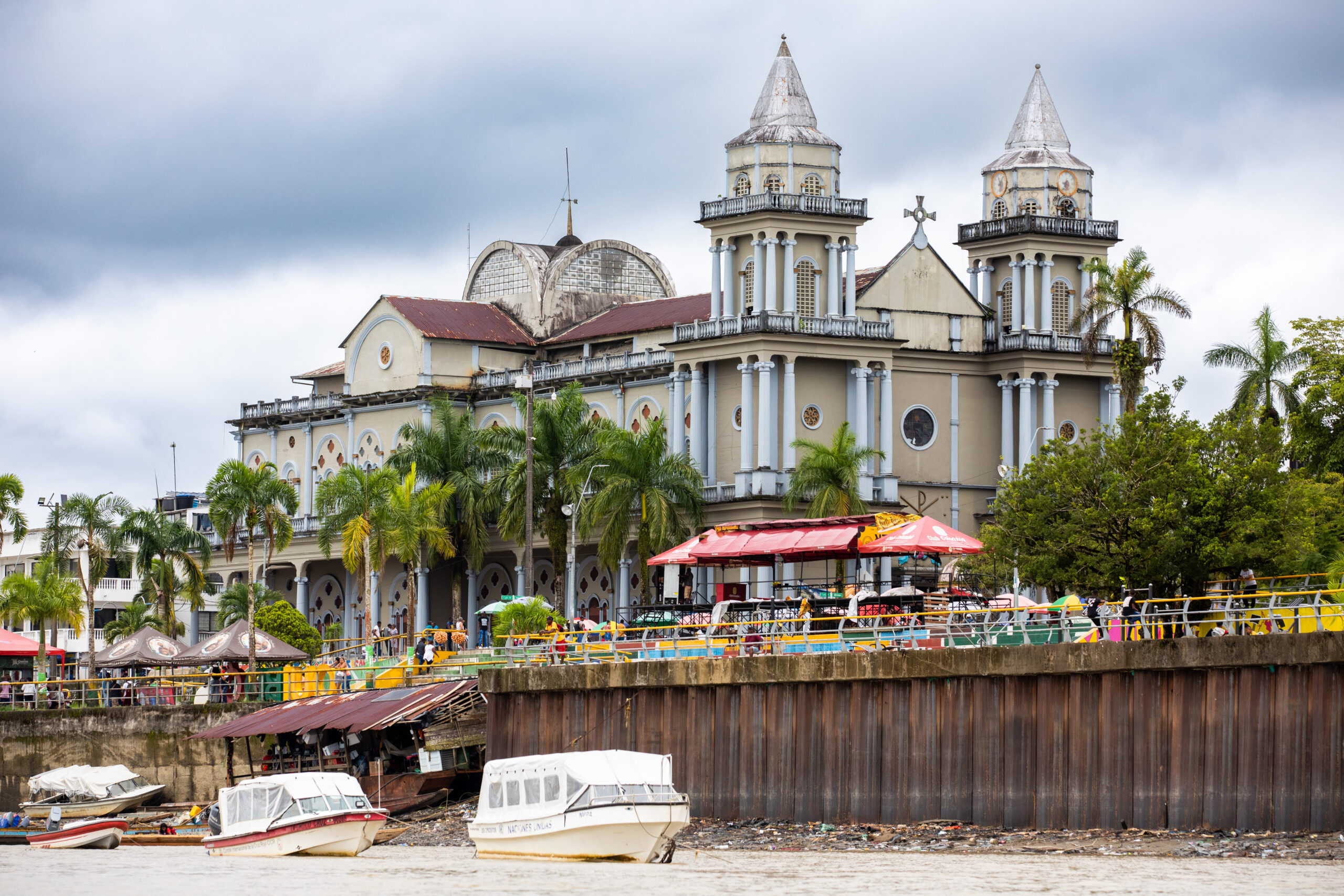
The earthquake’s epicentre was in Chocó — Colombia’s poorest region, reachable mostly by boat or plane. Why the toll from the worst-hit places always arrives last.
-
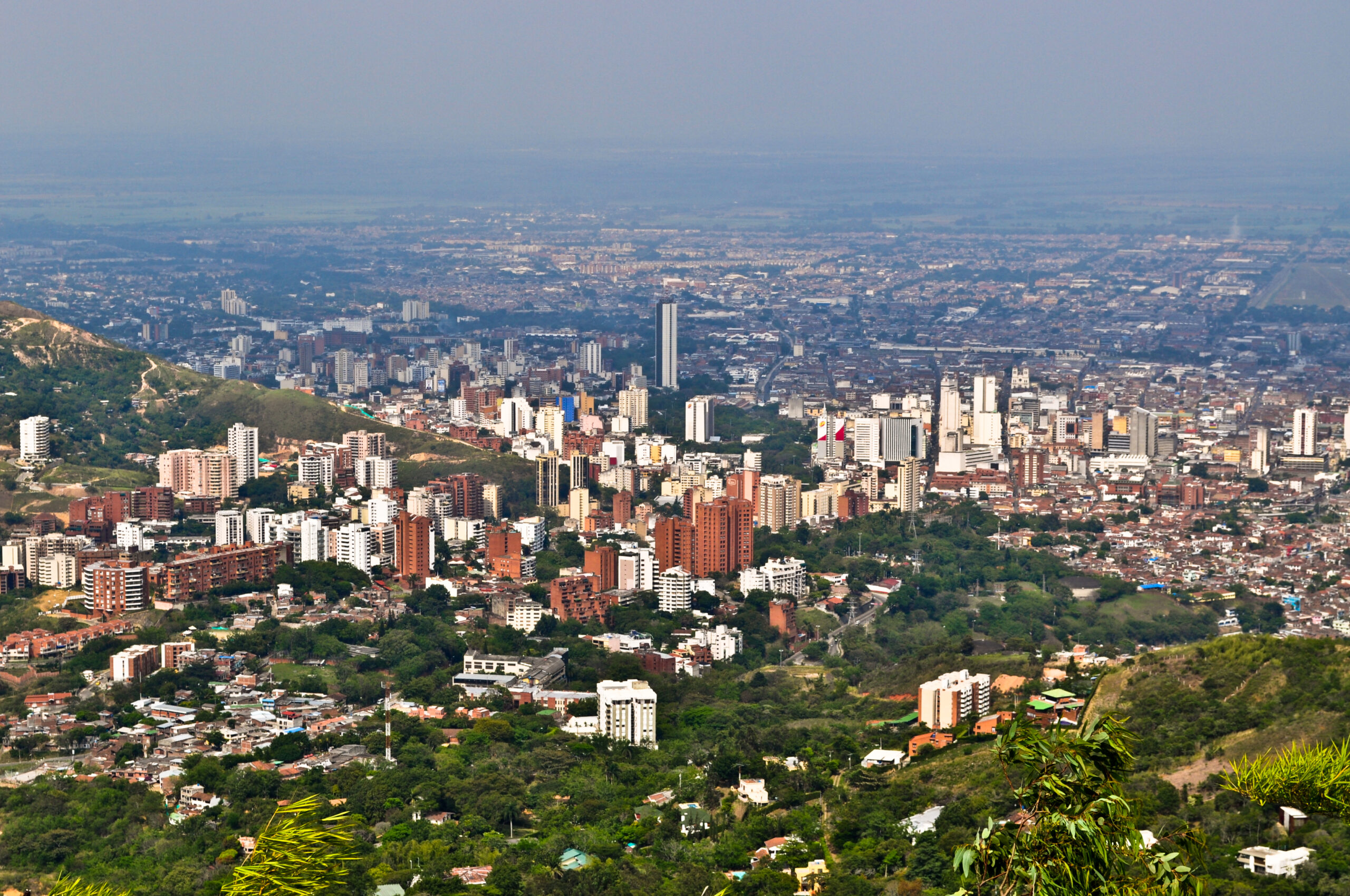
A magnitude 7.4 earthquake in western Colombia has killed at least 224 people and injured more than 1,200. Why it was felt across three countries, and why the toll keeps changing.
-

A sightseeing flight has crashed near Peru’s Nazca Lines, killing 13. Why those flights exist, and why early explanations after an air crash are usually wrong.
-
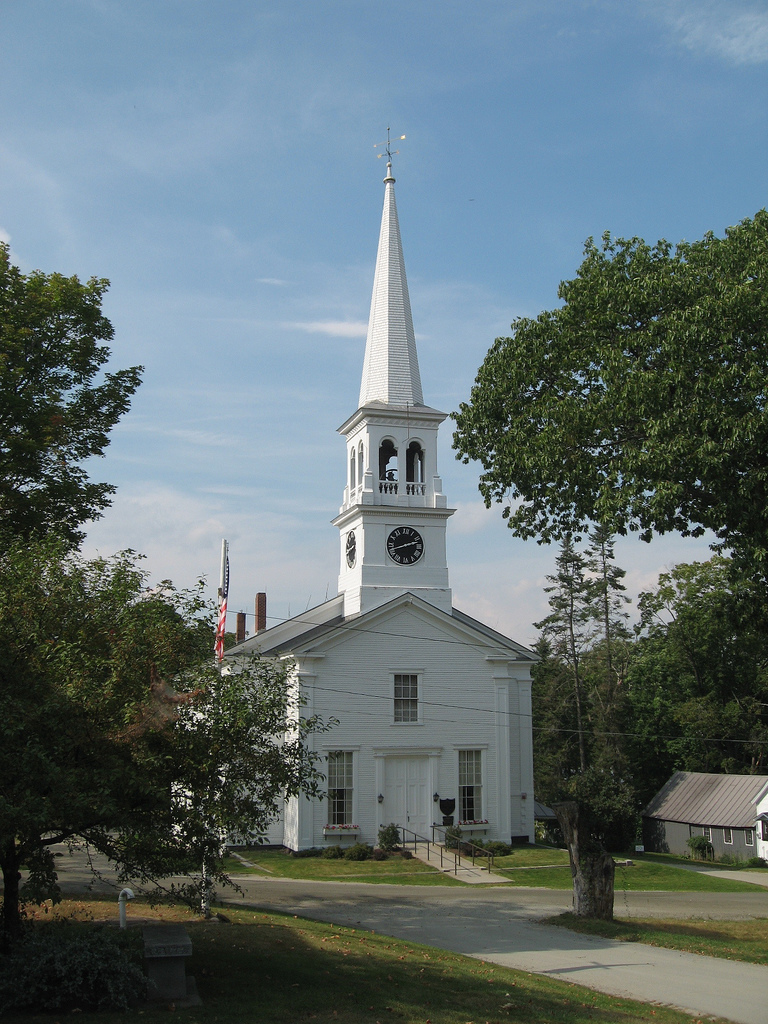
A judge has ruled that abuse victims in Vermont can sue individual parishes as well as the diocese. Why diocesan bankruptcies happen, and the question of who owns church property.
-

Cuba’s national grid partially collapsed after transmission lines failed between Matanzas and Pinar del Río. Why one broken link can darken a region in seconds.