Category: World
-

The RSF-appointed governor of Sudan’s Kordofan region has resigned and says he will defect. Why an armed group appoints governors at all, what a defection signals, and why Kordofan is the region that controls movement between the two halves of the war.
-

Cook Islanders elect all 24 seats of Parliament amid a cost-of-living crisis and argument over a partnership agreement with China. Why tiny constituencies change how politics works, what free association actually means, and what voters are deciding.
-

ChatGPT begins carrying advertising in 31 European markets today. Why adverts inside a conversation differ from adverts beside search results, what the privacy commitment actually covers, and the incentive problem underneath.
-
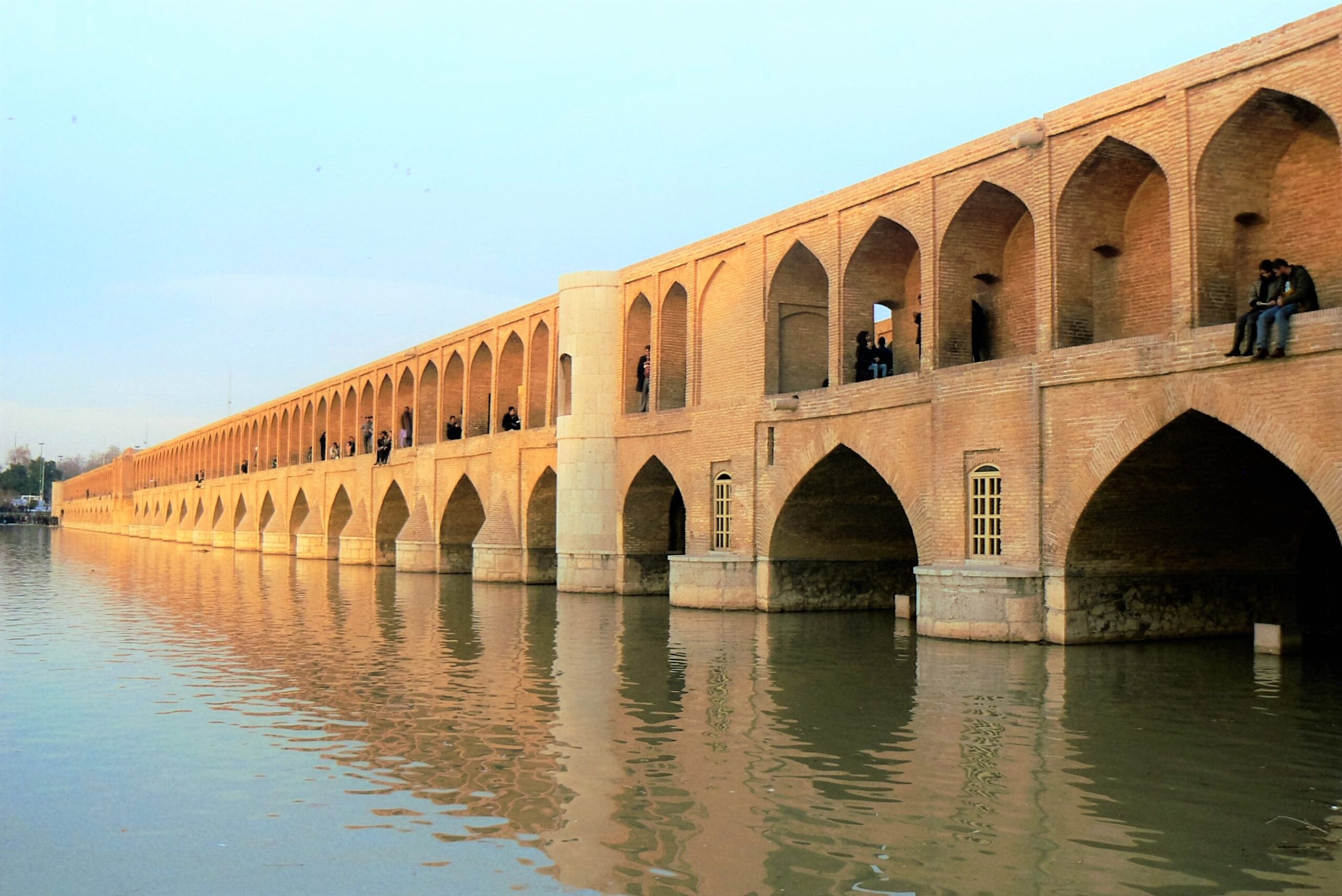
Washington has announced an “economic D-Day” against Iran; Tehran’s security chief says countries joining sanctions are enemies, while its president defends a lapsed memorandum. Why Iran is saying two things at once, and what would make the announcement real.
-

Trump renewed his criticism of Canada amid the tariff dispute, saying it wants the benefits of statehood without being a state. What the argument claims, the case against it, and why sovereignty framing makes a technical dispute harder to settle.
-
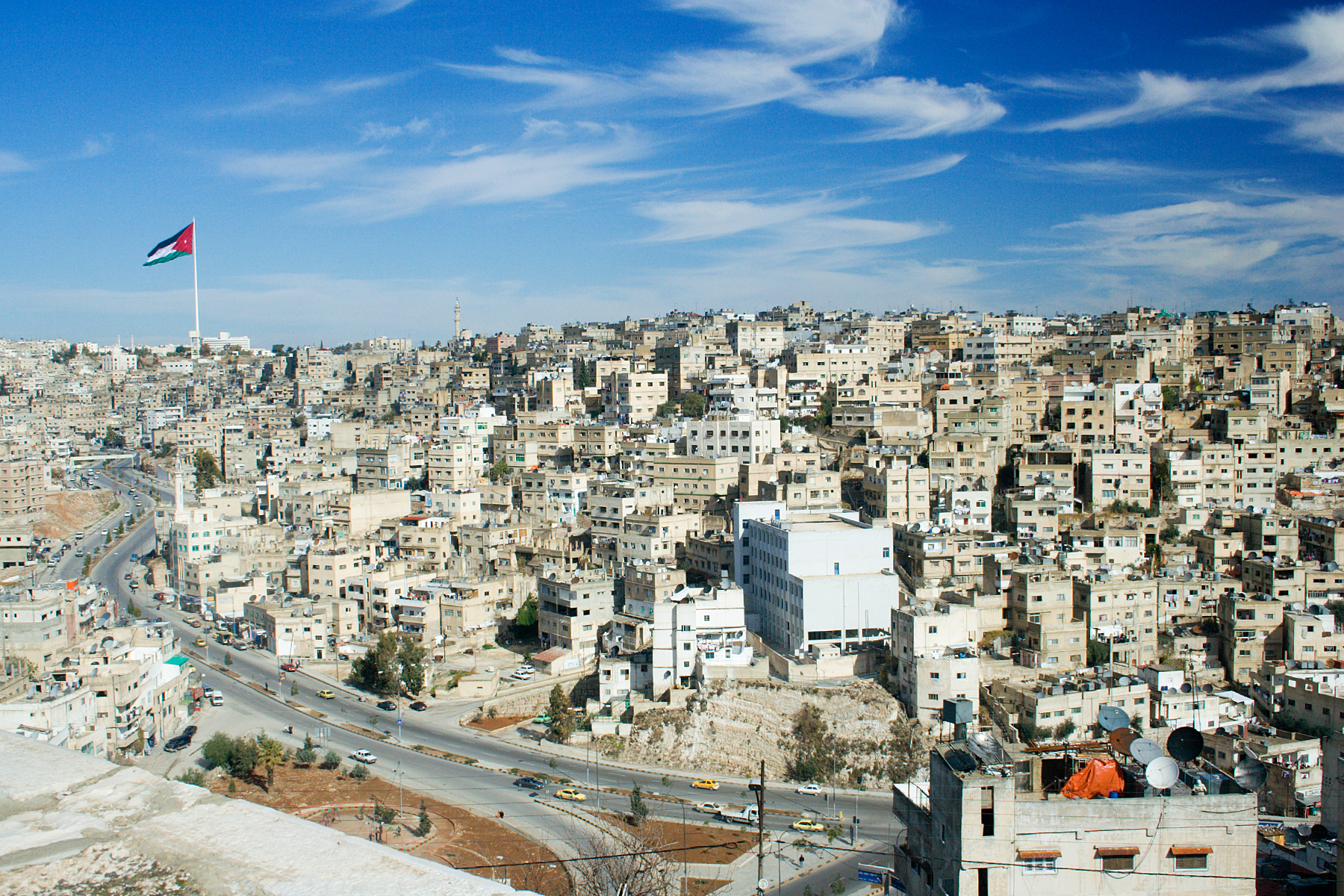
Syria and Israel held US-mediated de-escalation talks in Jordan on Monday, while Washington publicly condemned Israeli drone strikes in Syria. Why an ally is criticising an ally, what “de-escalation” deliberately excludes, and what would show progress.
-

The DRC outbreak recorded its highest weekly toll to date — 567 cases and 296 deaths — with cumulative figures at 5,290 and 2,516. Why the weekly number matters more than the total, what one imported case in France demonstrated, and the malaria complication.
-

A second strike hit Kryvyi Rih’s shopping centre 26 minutes after the first, while rescuers worked. What “double-tap” means, which rules of war it engages, why intent is so hard to establish — and why the term still belongs in coverage.
-
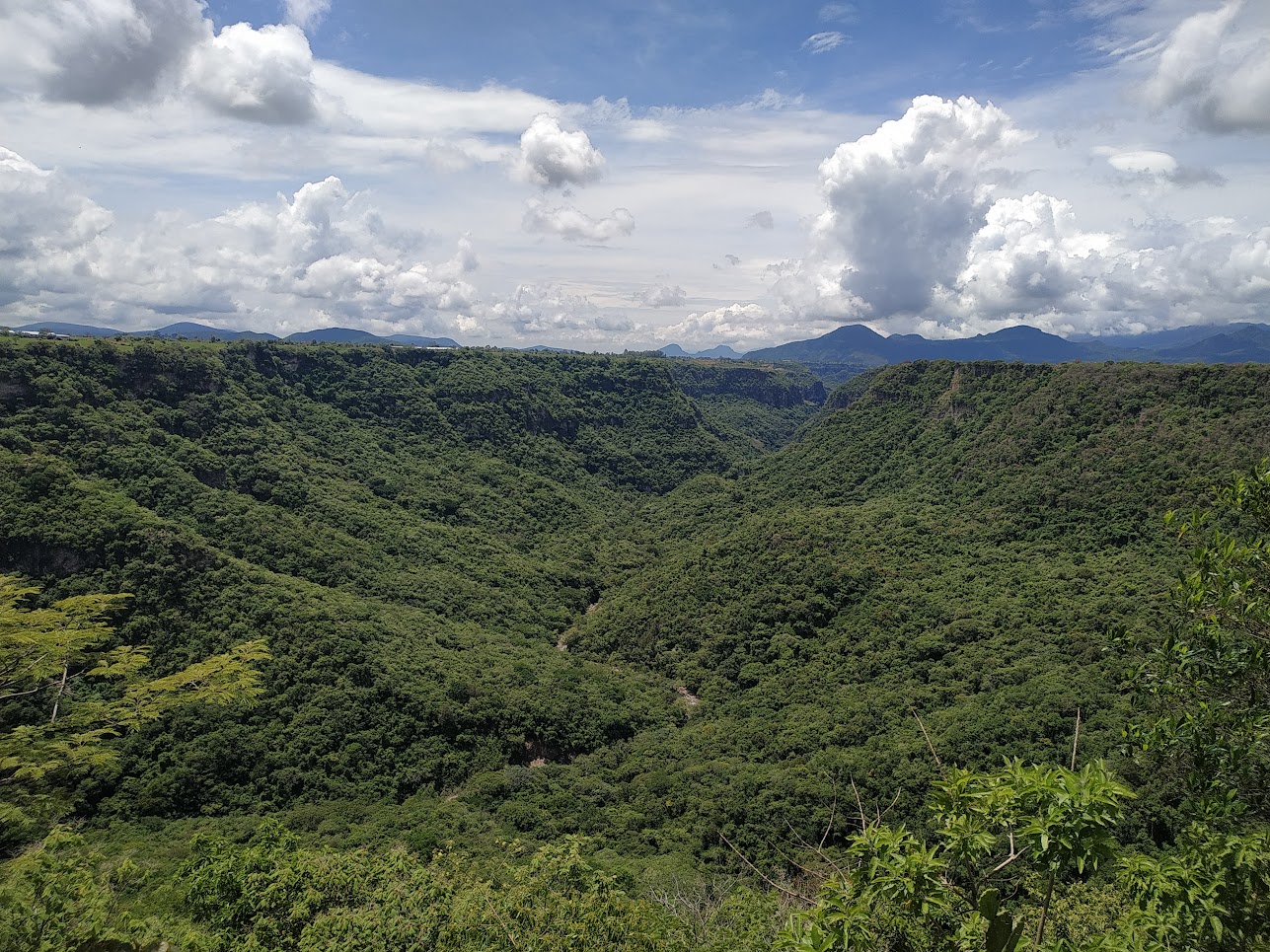
Monsoon rains and Tropical Storm Kujira have killed at least 23 people and affected nearly 586,000 across the Philippines. Why the storm is not the whole cause, what actually kills people in these events, and what “affected” measures.
-

At least 22 people were killed in Kebbe, Sokoto State, and almost nobody outside Nigeria reported it. What the word “bandits” conceals, the conditions driving violence in the north-west, and why an attack that recurs stops counting as news.