Category: World
-
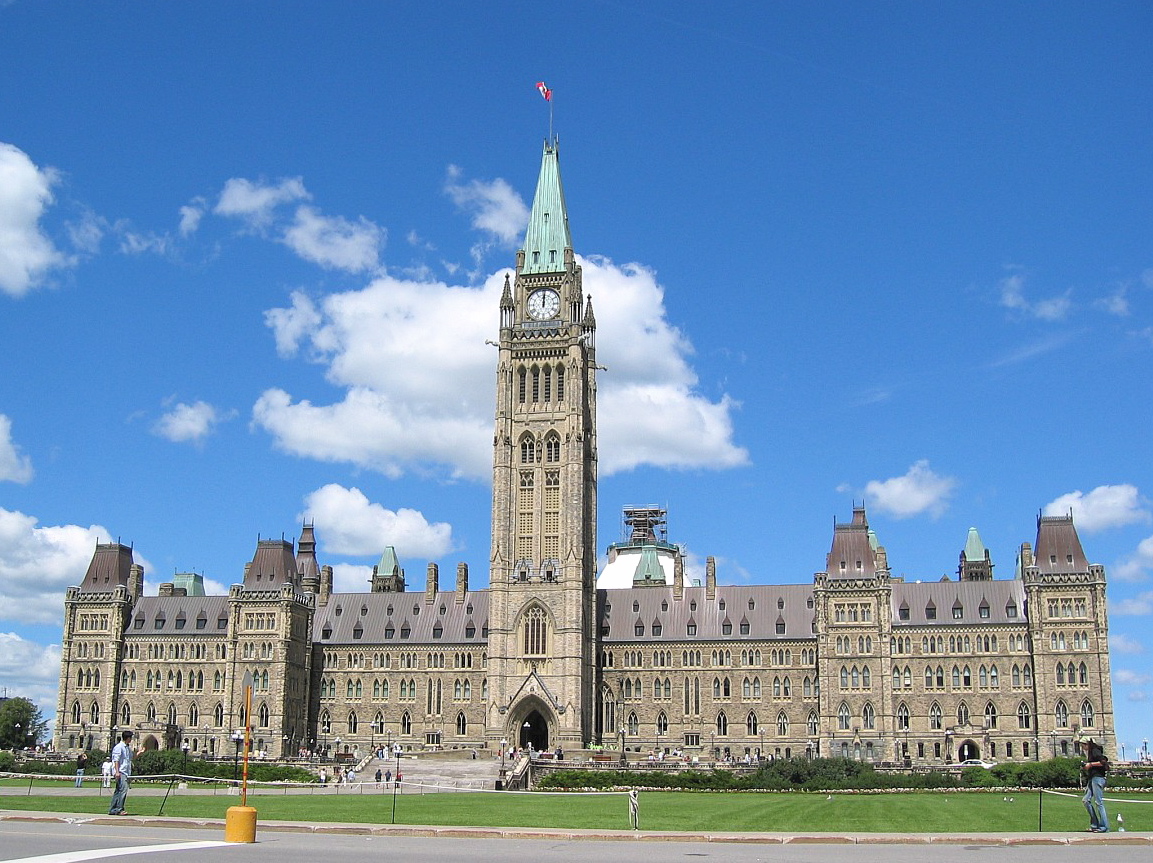
Trade talks have collapsed, the president has threatened 50 per cent tariffs on Canadian vehicles, and the public exchange has moved to insults between Trump and Ontario’s premier. Underneath it is a concrete dispute about whether Canada keeps an auto industry.
-
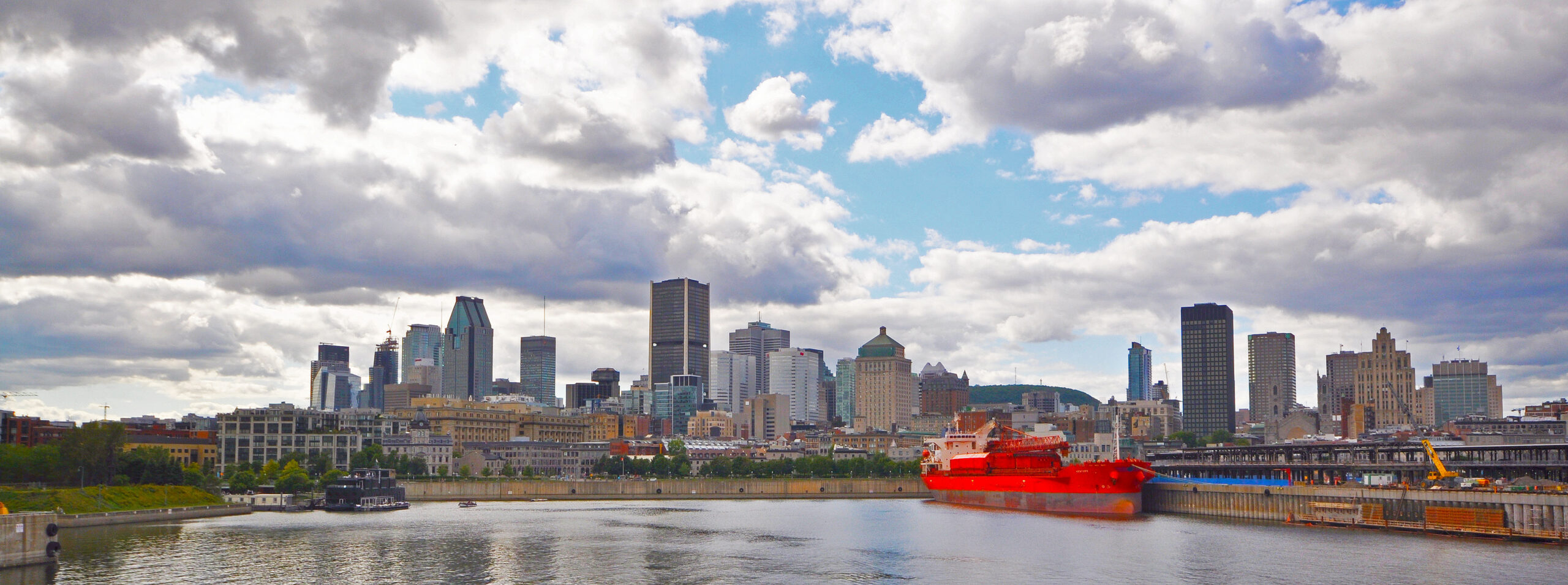
Trade talks collapsed on 21 August, 50% US tariffs took effect on $20 billion of Canadian goods, and Ottawa will retaliate dollar for dollar on 8 September. Carney says Canada was attacked; Washington says Canada’s trade policy is among the world’s worst.
-
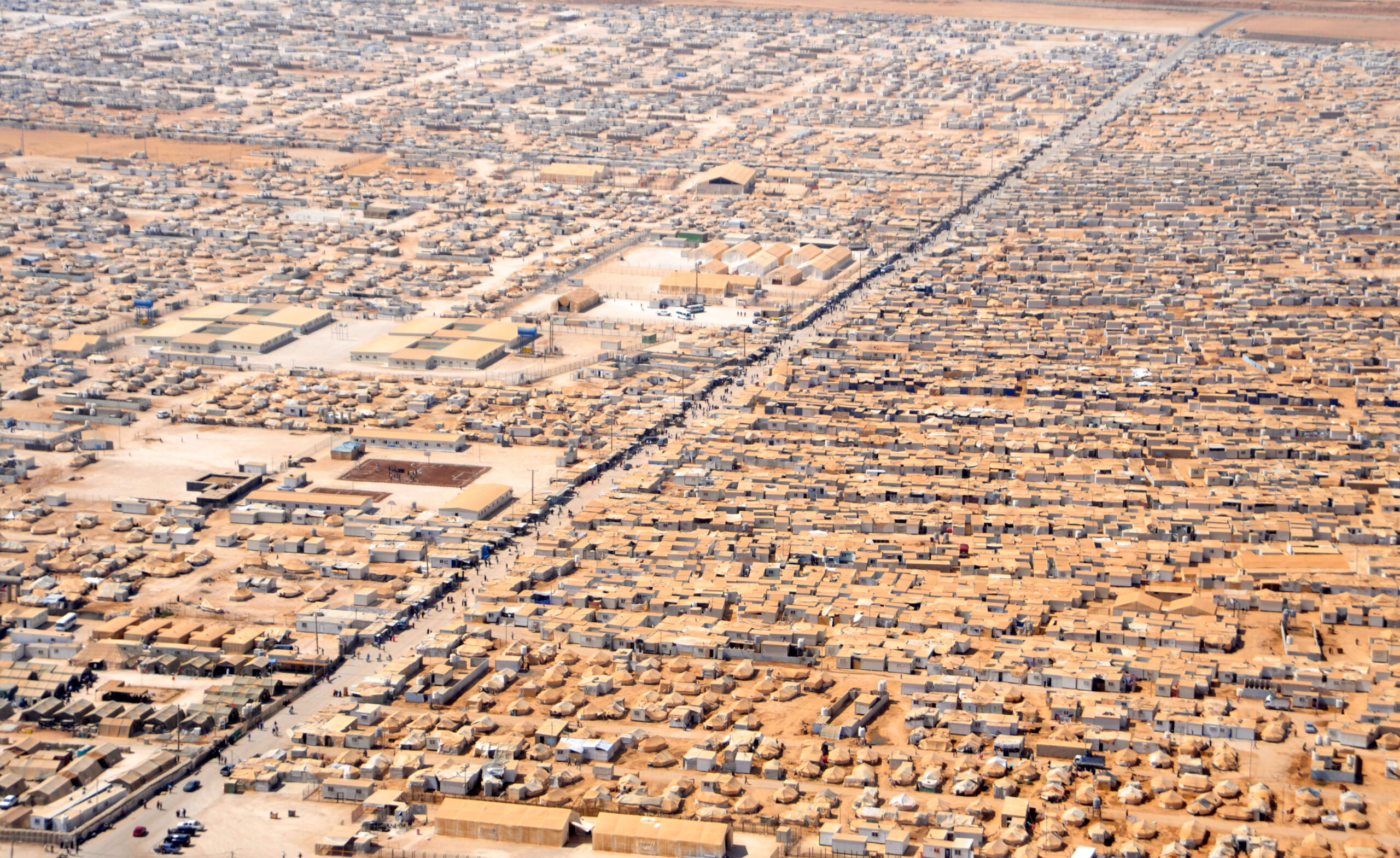
Around 1.3 million Syrians went home during 2025, and 4.9 million remain refugees. Washington’s removal of Syria from its terrorism list changes the country’s economic prospects on paper. Whether it changes anyone’s decision depends on electricity, housing and paperwork.
-

At a private audience marking 60 years of Portugal’s Military Ordinariate, the pope praised the soldier’s vocation and urged humility. It sits alongside his criticism of particular wars, including the US campaign against Iran — a tension that is older than this pontificate.
-

The International Health Regulations Emergency Committee met for a second time on the Bundibugyo virus epidemic, and WHO published updated recommendations on 24 August. They are more detailed than the first set, and now cover mass gatherings and movement inside the country.
-

Copernicus recorded a global average sea surface temperature of 21.1C on 22 August, narrowly beating the previous record from March 2024. The number itself is a fraction of a degree. What scientists find notable is that it happened five months out of season.
-
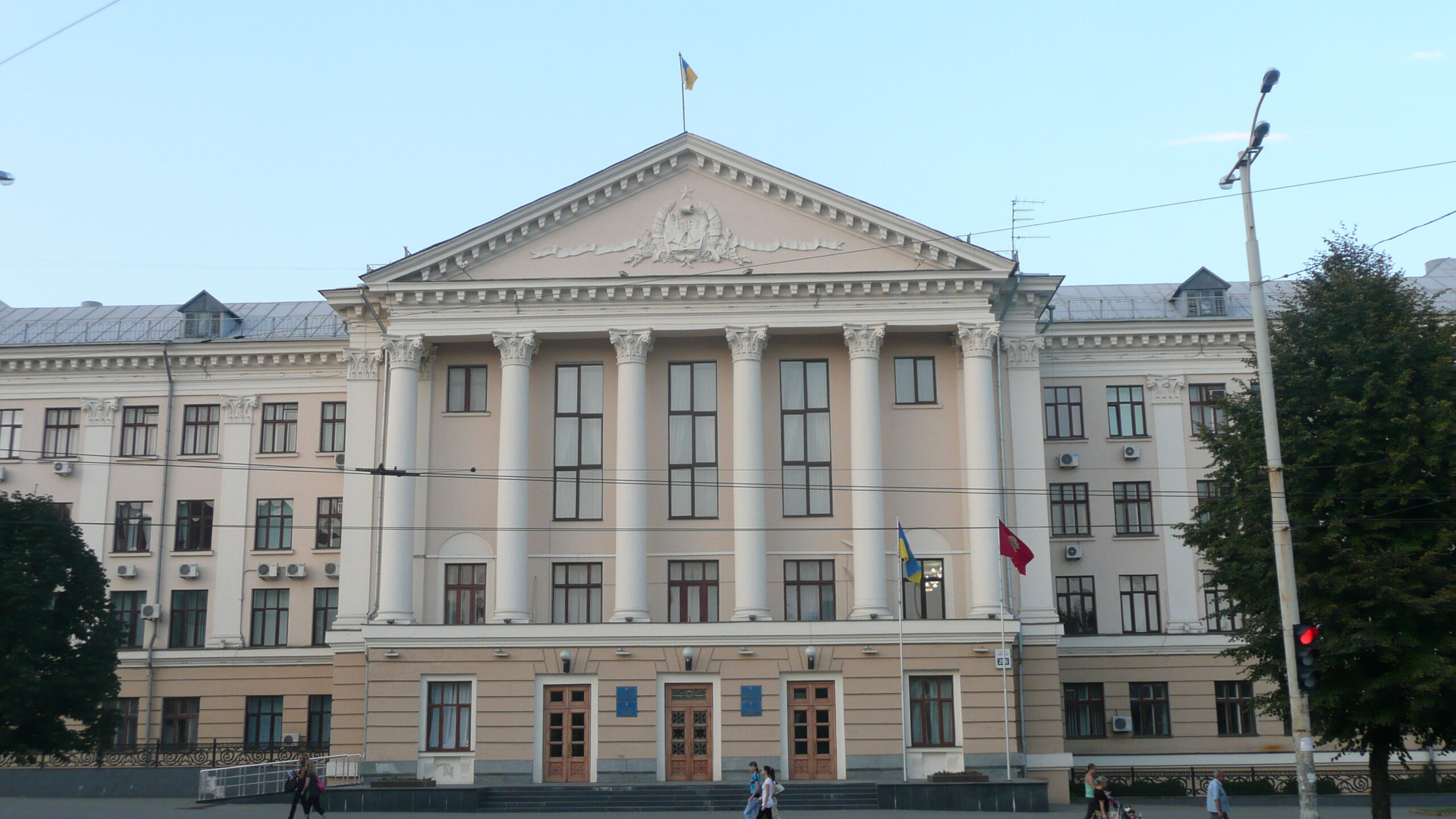
Ukrainian investigators recovered an off-the-shelf AI computer from the wreckage of a Russian strike drone in Zaporizhzhia. Analysts say the July attack, which killed three people, is the first documented case in this war of civilians killed by a weapon that selected its own aim point.
-
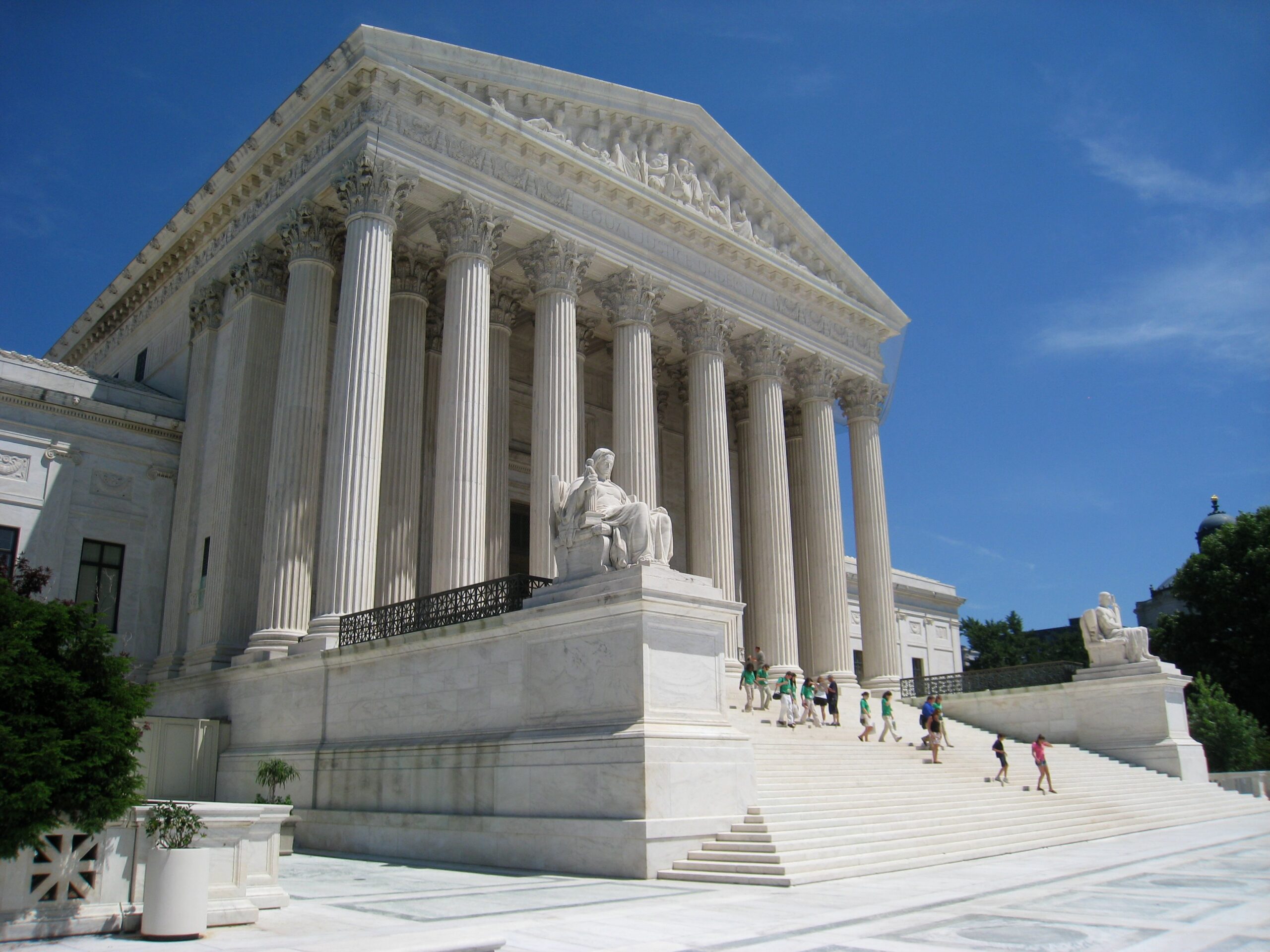
In an unsigned 6-3 order, the US Supreme Court lifted a judge’s injunction against the president’s executive order on mail voting. The ruling turned on whether the challenge came too early — not on whether the order is lawful. A second injunction is still standing.
-

Treasury Secretary Scott Bessent promised an “economic D-Day” against Iran and then announced something narrower: deadlines for other countries to end their commercial ties with Tehran, with penalties held in reserve. The gap between the language and the measures is the story.
-
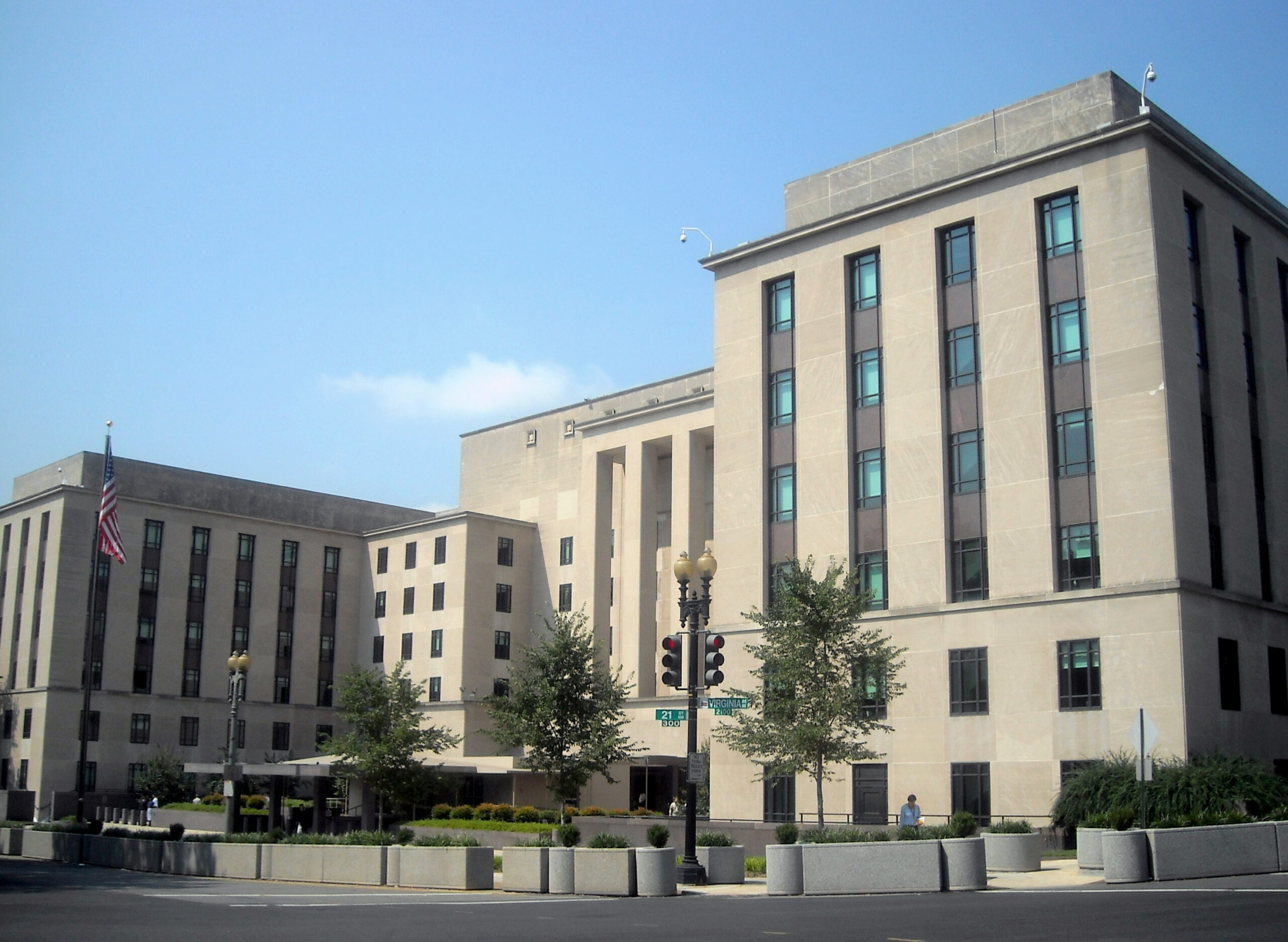
Syria’s removal from the American terrorism blacklist has put an obscure legal instrument on the front pages. What is the list, who decides who goes on it, how does a country get off, and why does a US designation matter to banks and shipping companies that are not American at all?