Category: World
-

The US State Department formally rescinded Syria’s designation as a State Sponsor of Terrorism on 24 August, ending a label first applied in 1979, and also removed the terrorist designation of Hay’at Tahrir al-Sham. Here is what the decision changes, what it leaves in place, and why it happened now.
-

Swedish data from 376,000 people links colorectal screening to a 43 per cent lower risk of dying from the disease. Why this cancer suits screening unusually well, what a relative reduction actually means, and the costs on the other side.
-

Researchers found that one malicious link could turn Microsoft’s Copilot into a channel for stealing connected email and files, with instructions that persisted in the assistant’s memory. Why prompt injection is not an ordinary bug, and why connectors raise the stakes.
-

Three of twelve cats sampled near California dairy farms carried antibodies to H5N1. What that shows, why farm cats sit at an awkward junction between livestock and wildlife, and the welfare question that no framework currently owns.
-

A Yorkshire church group has apologised after grave ornaments, including a teddy bear left for 23 years, were removed and binned without warning. The churchyard rules behind it, why the objection is about notice rather than the rule, and what grief research says.
-

European surveillance reports 81 locally acquired West Nile cases across six countries this season. Why “locally acquired” is the key phrase, why the counts understate infections, and what the climate link does and does not establish.
-

A Republican campaign committee has warned AI companies that data centres are costing the party votes in Ohio. Why a data centre shows up on a household bill, why transmission is the binding constraint, and what the memo actually signals.
-
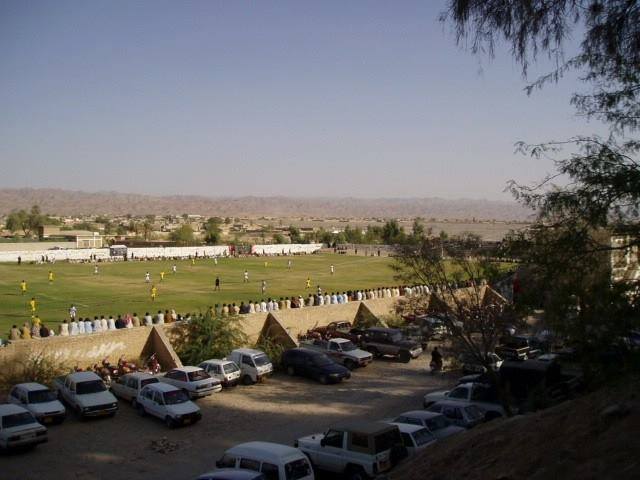
Eighty-five people were injured, 35 of them police officers, after flares were launched at a stand and supporters stormed the pitch at a German Cup match. Why flares are more dangerous than fireworks, and the long argument about legalising them.
-

Four people were killed, including the perpetrator, at a daycare and a house in Hopkins, Minnesota. Why we are withholding the name and the method, what is worth reporting instead, and why incident counts differ so wildly between sources.
-
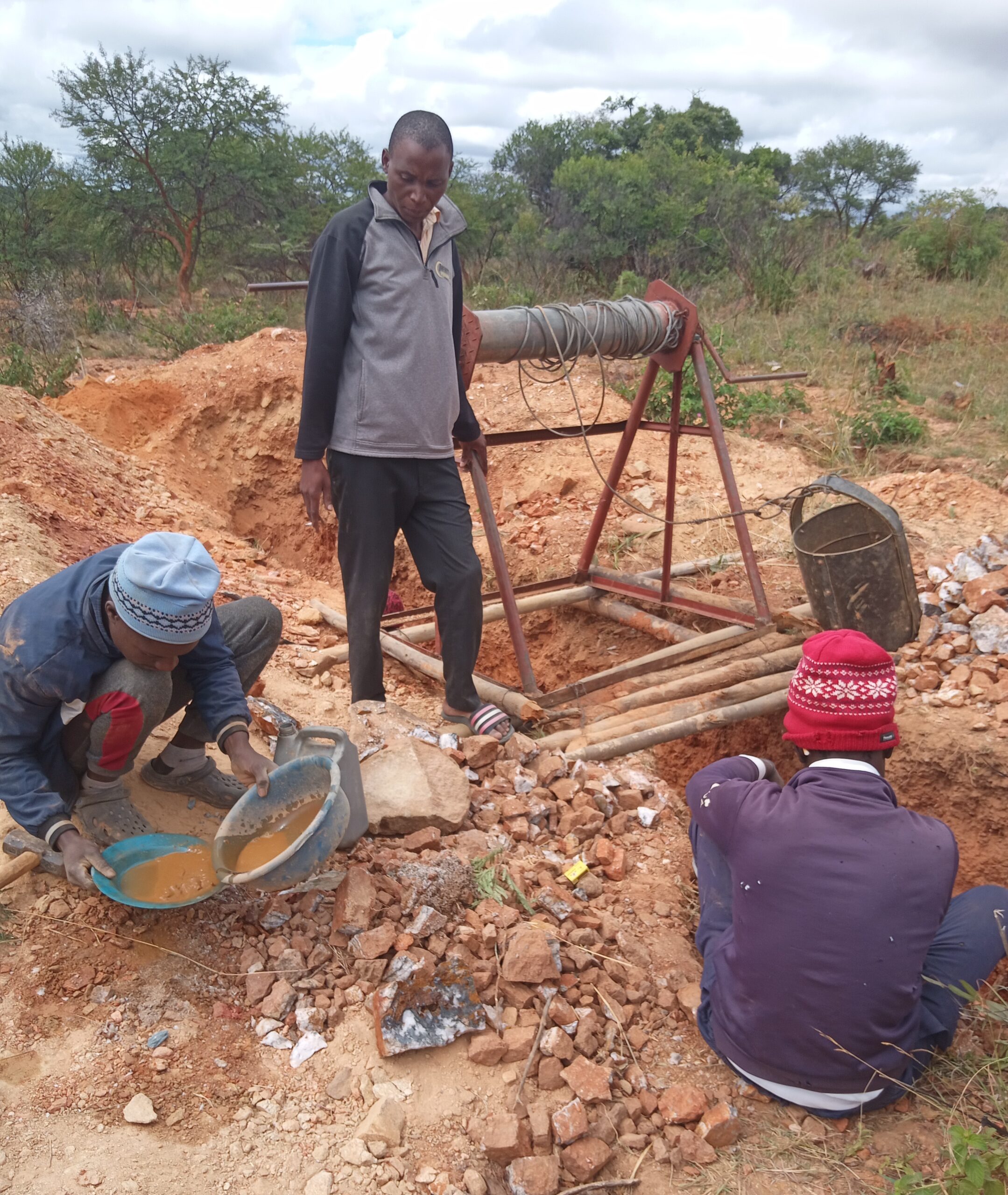
Video from the Central African Republic appears to show a landslide burying miners at an artisanal gold site. Why pit walls fail, why people work them anyway, and why the death toll from collapses like this is rarely established.