Category: World
-

The red light falling on an eclipsed moon is the combined glow of every sunrise and sunset happening on Earth at that moment, bent through the atmosphere and projected onto the lunar surface. Why it happens, and why some eclipses are darker than others.
-
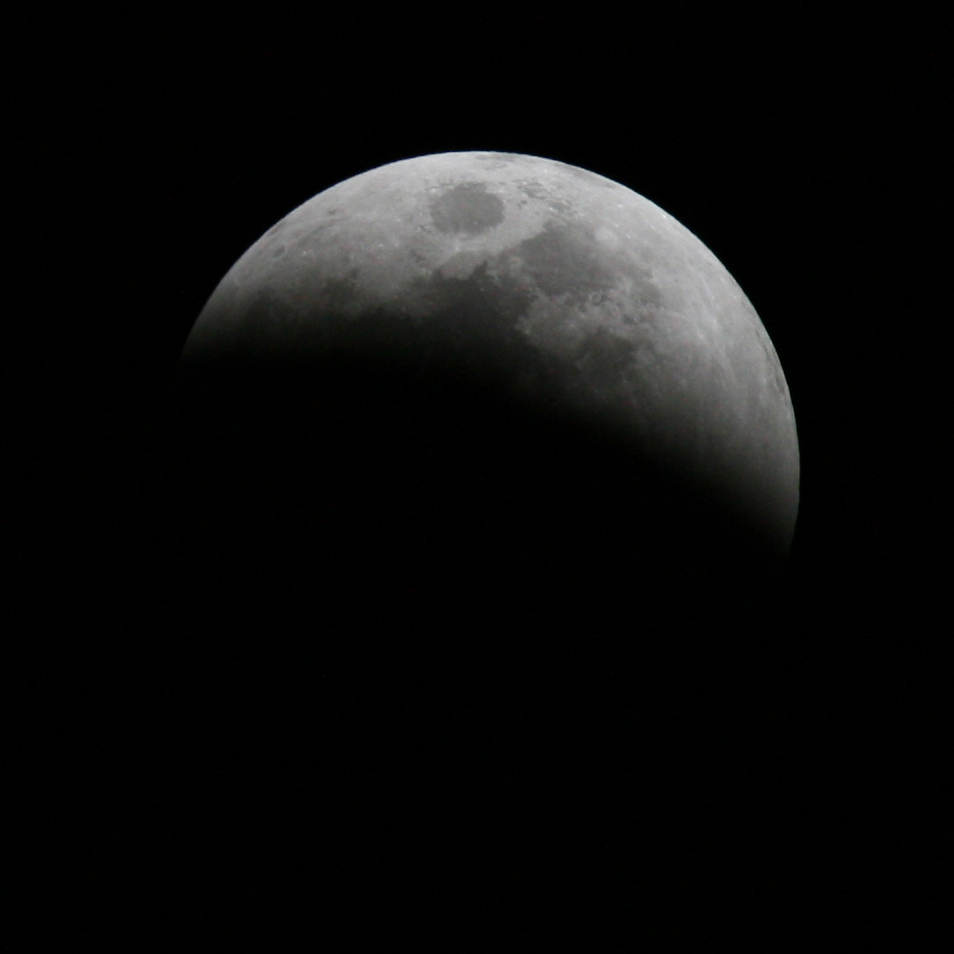
Overnight on 27-28 August, 96.2 per cent of the moon enters the darkest part of Earth’s shadow. Around 3.34 billion people can see some of it. Technically it is a partial eclipse, which undersells what it will look like.
-

Ice in the cracks of a mountain face acts as cement. Warm it slightly and steep slopes lose their binding. The evidence from the Alps is strong, the Himalayan record is thinner, and no single collapse can be attributed to warming.
-

A mountain valley can flood catastrophically on a clear day with no rain. Three separate mechanisms cause it — a bursting lake, a collapsing slope, and a river dammed then released — and each poses a different warning problem.
-

Much of the early coverage described Wednesday’s Nepal disaster as a glacial lake outburst flood. Nepal’s disaster authority says satellite imagery points to an ice-and-rock landslide instead. The difference is not pedantic — it changes what can be monitored.
-

A debris flood destroyed villages, bridges and hydropower projects along the Bhote Koshi on Wednesday. Reported death tolls have run from 17 to more than 160 in 36 hours, and the missing figure from 403 to over 1,300. Here is what each source says, and when.
-

Thomson Reuters has trained its own large language model on decades of Westlaw and Reuters content for around $40 million. The interesting question is not the model — it is whether owning the right data now beats owning the biggest system.
-

An H-1B is tied to one employer, which is what makes it different from an ordinary job. Add a six-figure sunk cost to that relationship and the balance shifts again — though not in a direction anyone can predict with confidence.
-

A federal judge struck down the last six-figure H-1B charge in June, holding that only Congress can levy a tax. The new fee comes through regulation instead of proclamation — slower, but built to survive the objection that killed the first one.
-
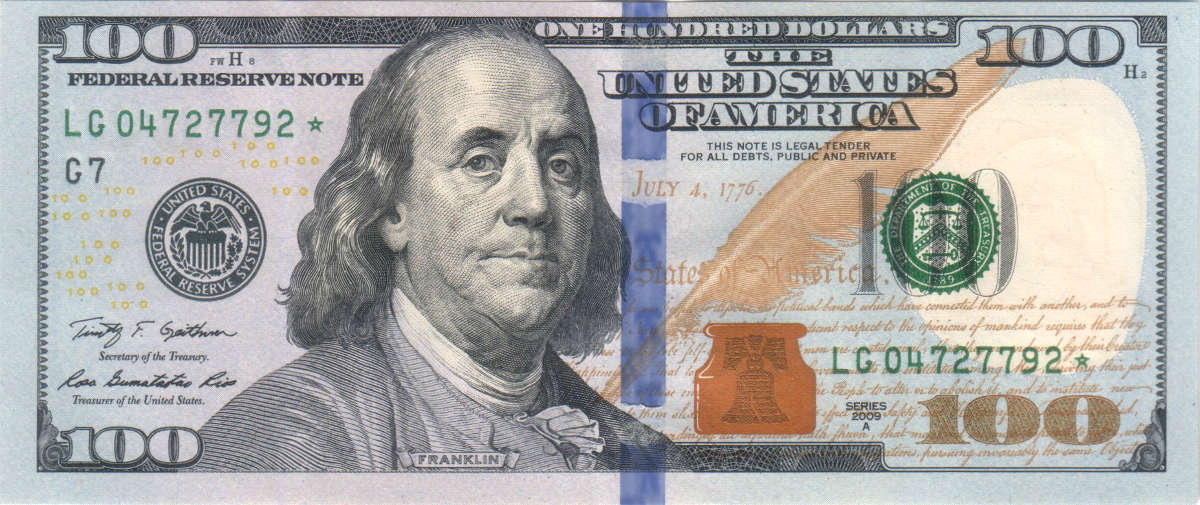
DHS wants $103,265 for every capped H-1B petition — more than a hundred times the current filing fee, projected to raise $8.8 billion a year. It is a proposal, not a rule, and the last attempt cut filings by nearly 90 per cent.