Category: Europe
-
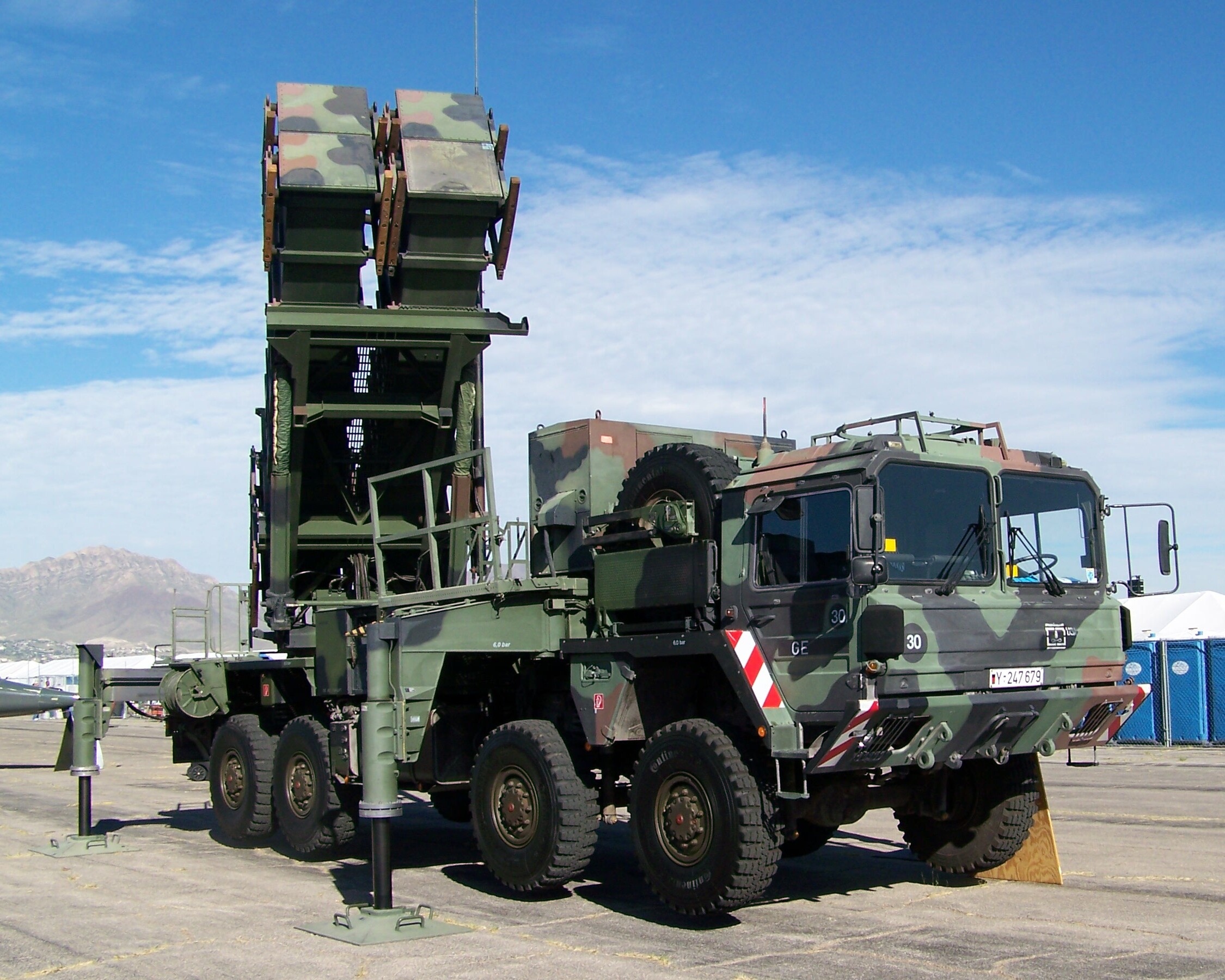
Ukraine is running short of interceptor missiles as strikes continue. The arithmetic that makes air defence unsustainable, why attacks are structured to exhaust it, and what a shortage looks like for cities that lose coverage.
-
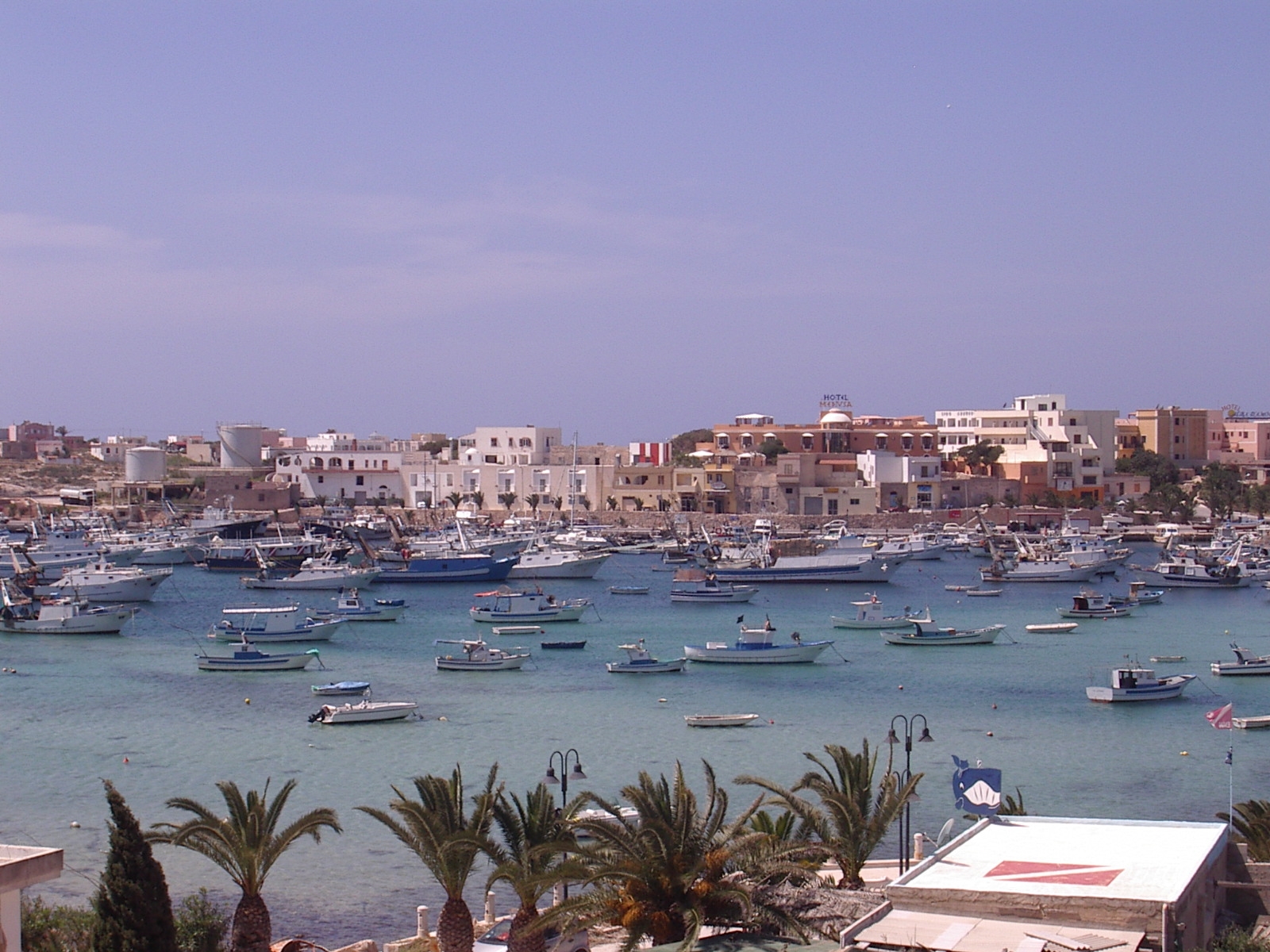
Frontex says irregular crossings into the EU fell 26 per cent to almost 178,000. What that figure counts, why a fall is hard to attribute to any policy, and the number that does not move in step with it.
-
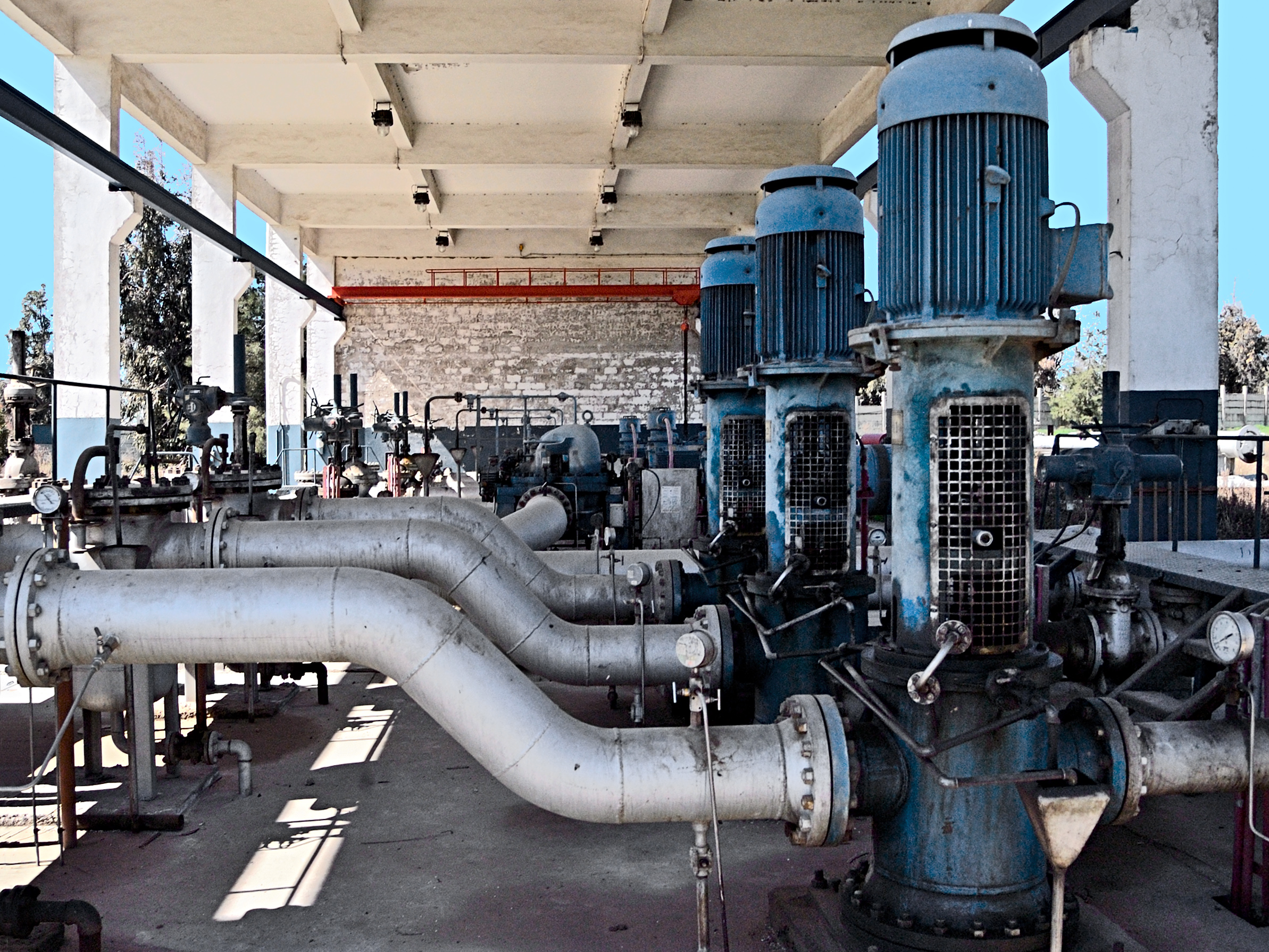
Ukrainian drones hit a refinery in Tatarstan and an oil terminal in Krasnodar overnight. Why a refinery and a terminal are different targets, why the distance is the point, and why damaging refineries can raise crude exports rather than cut them.
-
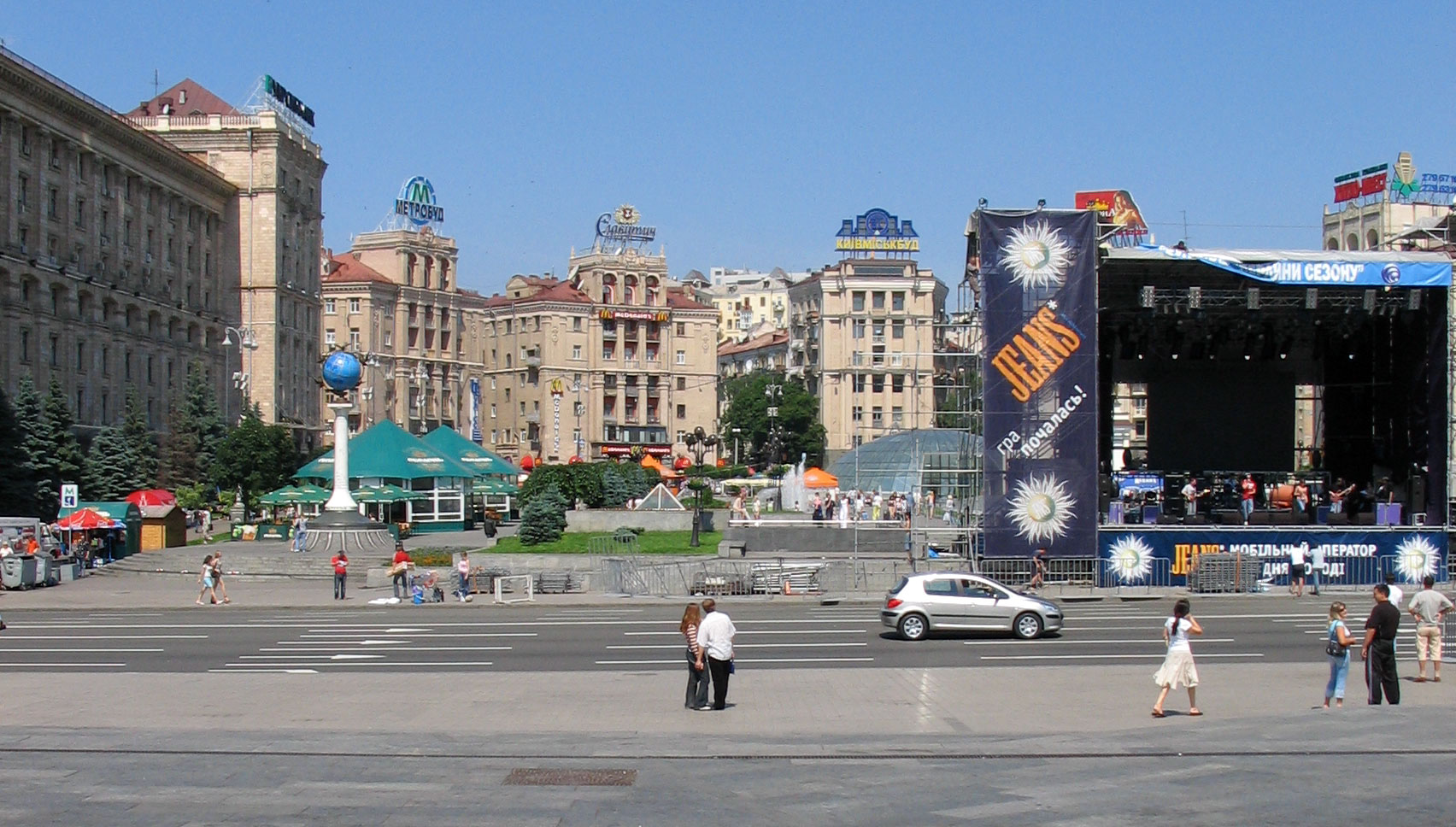
At least twelve people were killed in an hours-long ballistic missile and drone attack on Kyiv, with a children’s hospital among the buildings damaged. Why the toll will move, what “damaged” does and does not establish, and why the two weapons were sent together.
-

Hungary’s new president takes office today, elected by parliament and running unopposed. What a president actually does in a parliamentary republic, which of the limited powers matter, and why an uncontested election is worth reading carefully.
-

Russia has made new threats against the UK while continuing to strike Ukraine. Why Britain features so heavily in Russian rhetoric, three tests for reading a threat, and the part of the story that is not rhetorical.
-
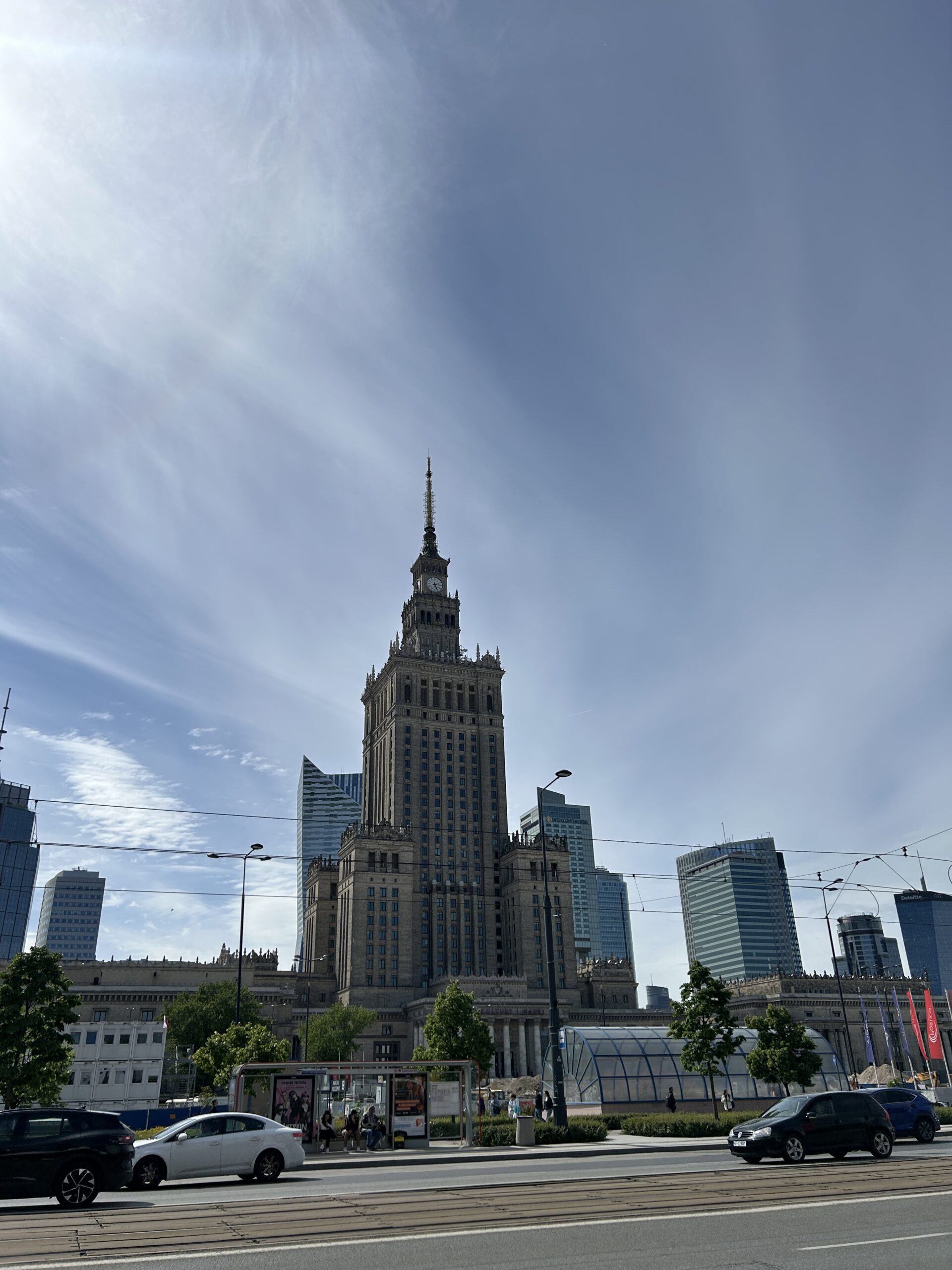
Poland is appealing a Brussels ruling ordering it to accept and pay for €1.3 billion of COVID vaccine doses it says it does not need. How advance purchase agreements work, why both sides have a real case, and what a better contract would have contained.
-
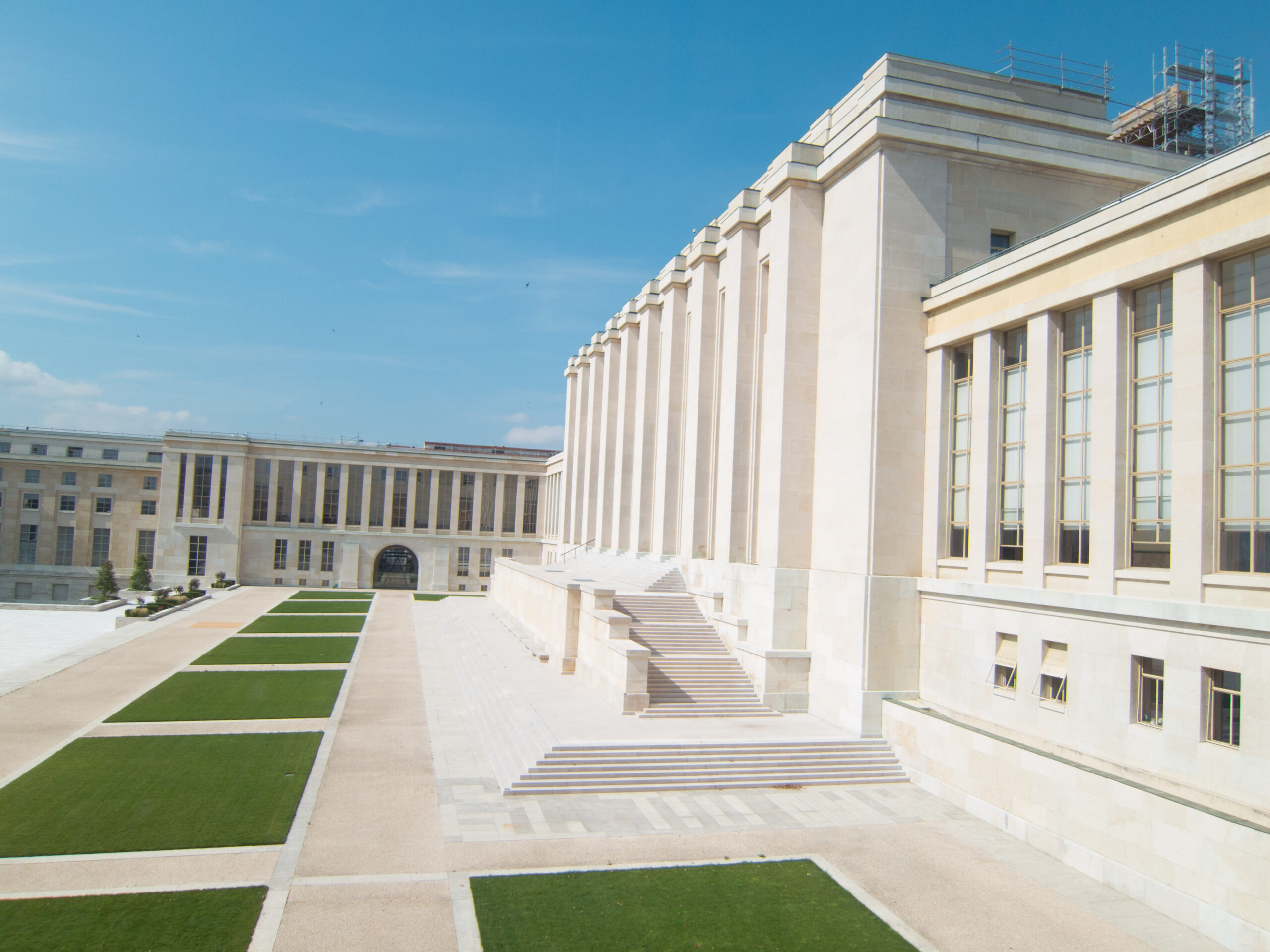
WHO’s vaccine advisory group holds an extraordinary three-hour session today. What SAGE is, why an unscheduled meeting is itself a signal, and the hard question that outbreak immunisation keeps returning to.
-
Russia has made new threats against the United Kingdom while continuing to strike Ukraine. Why Britain is singled out, what threats of this kind are actually for, and the short list of things that would show an escalation is material rather than rhetorical.
-

Russians are pulling billions out of their bank accounts, squeezing bank liquidity and the government bond issuance that funds the war. How deposits end up paying for a war, why the cause matters, and what the state can do about it.