Category: Europe
-
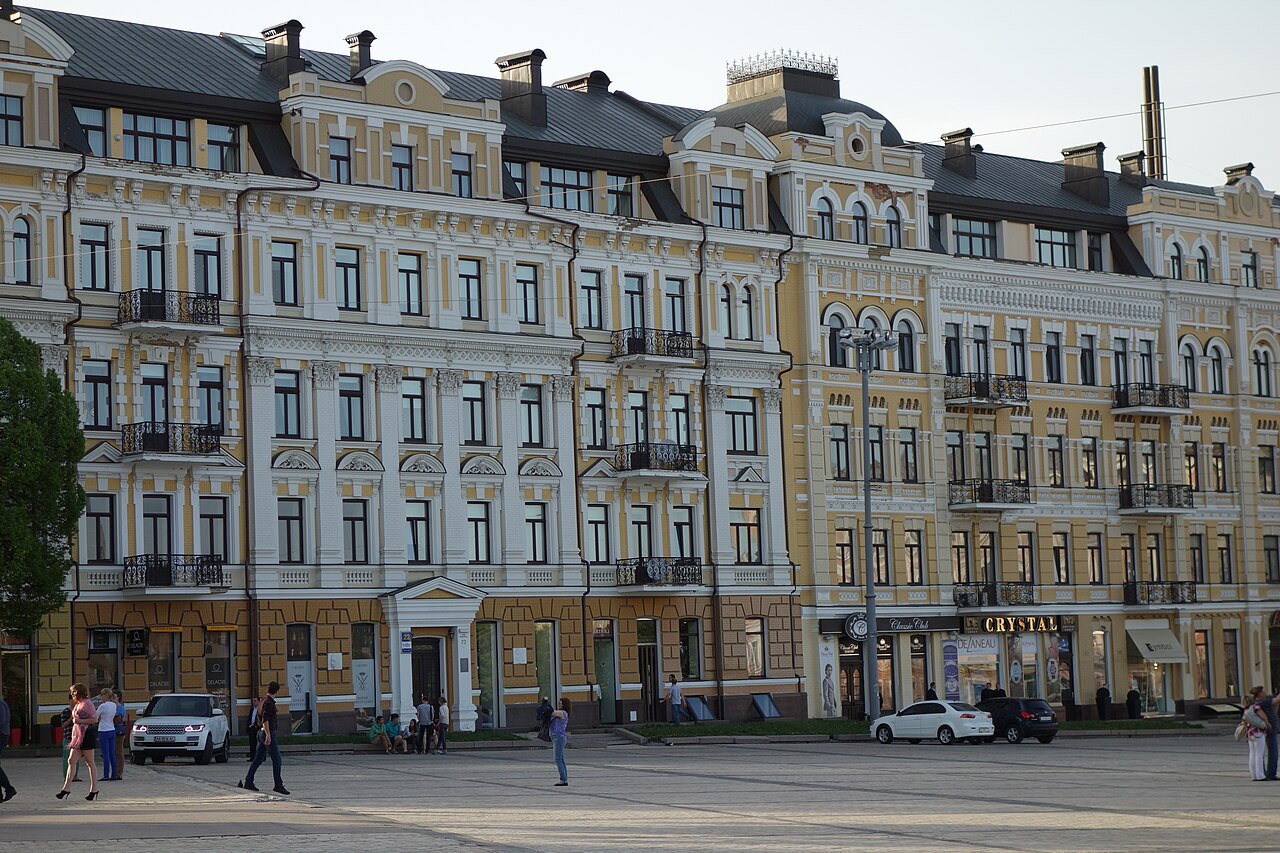
Zelenskyy says a Russian drone struck the central building of Ukraine’s Security Service in Kyiv, and that it was aimed at the office of the service’s head. He has ordered a mirrored response. The claim about the target is the part that changes what follows.
-

The AfD is polling at 41 per cent in Saxony-Anhalt ahead of Sunday’s vote. But the number that decides the seat count is how many small parties clear five per cent — which is why campaigners are urging tactical votes for parties they don’t support.
-

Berlin has formally blamed Russia for the explosive drone found at Leipzig/Halle Airport in August, closed a consulate and raised the threat level. Europe has watched drones for two years without naming anyone. Saying it out loud is the change.
-

A report says paid Church of England clergy have fallen to 6,295, a record low, and that resignations now outnumber retirements. The second figure is the one that should worry the institution, and the poorest parishes feel it first.
-
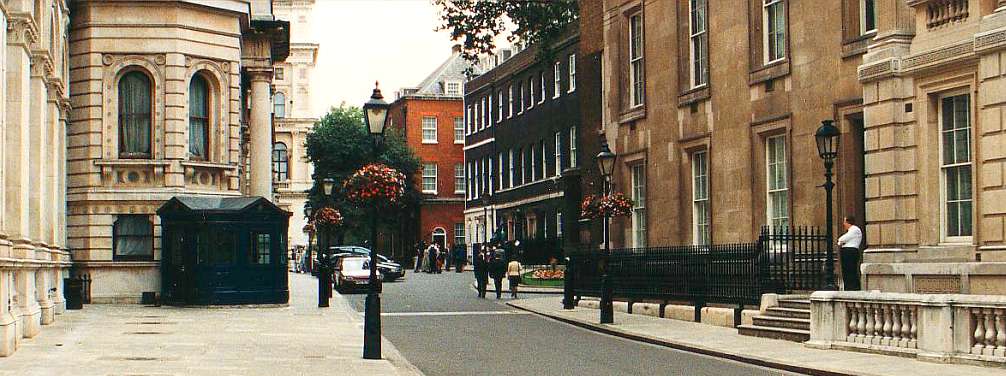
The former prime minister is standing down as MP for Holborn and St Pancras, triggering a by-election. He cannot technically resign — no British MP can. Here is the 1624 workaround, and what happens next.
-

EU rules now require AI providers to publish what they trained on, including whether copyrighted material was ingested. Publishers spent August reading those summaries. Lawyers expect the filings to start in September.
-
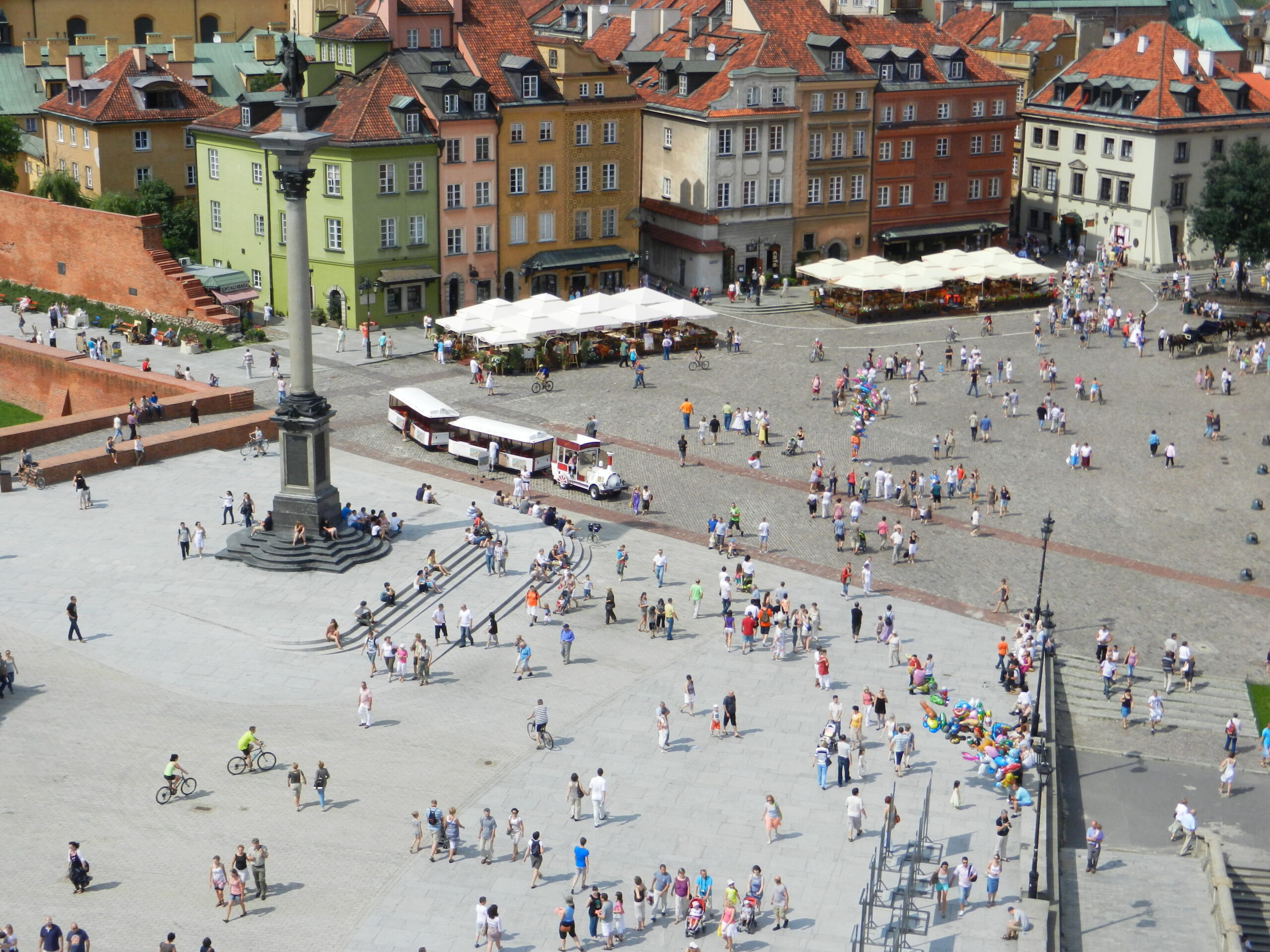
Polish police logged 180 hate-crime reports involving Ukrainians in six months, up more than 30 per cent. ACLED counts one physical attack in 2024 and thirteen so far this year. The trigger, repeatedly, is hearing Ukrainian spoken.
-
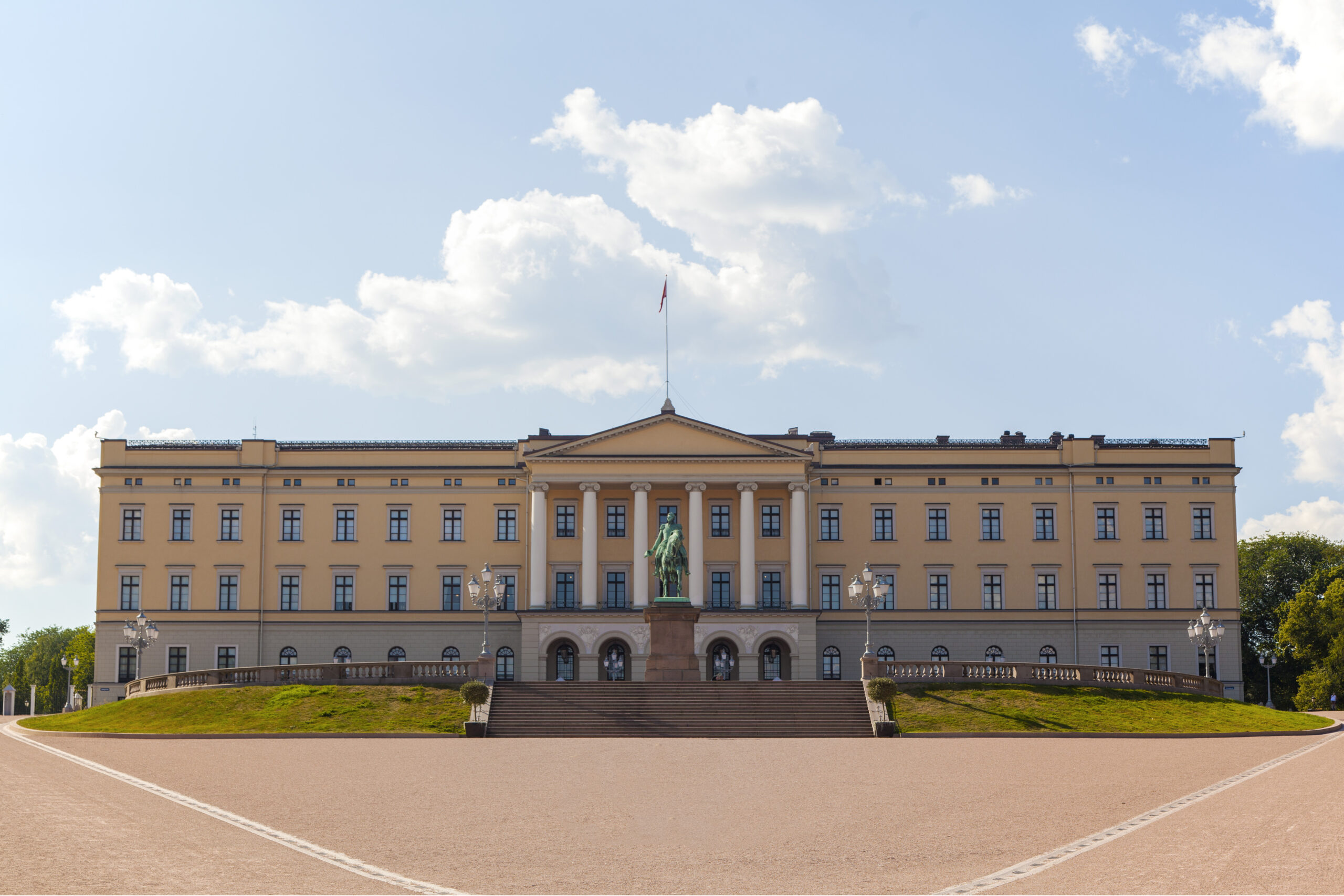
Harald V died on Friday at 89. His son became king at that moment, takes the oath before parliament tomorrow, and will not be crowned — Norway abolished the coronation in 1908. The state funeral is on 9 September.
-
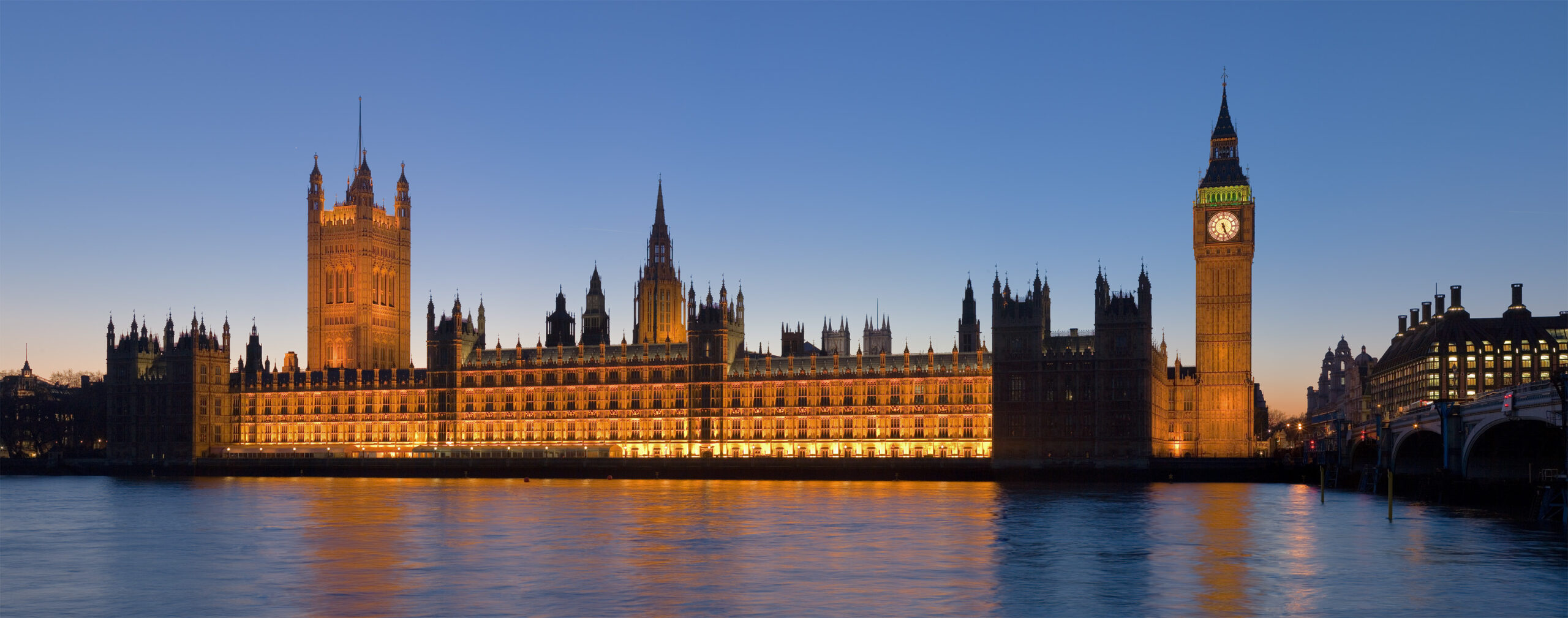
An Al Jazeera investigation found 17 companies linked to Israeli settlements hold 125 UK public-sector contracts worth £2.129bn. The money is not going to settlements. The legal question is narrower, and harder.
-
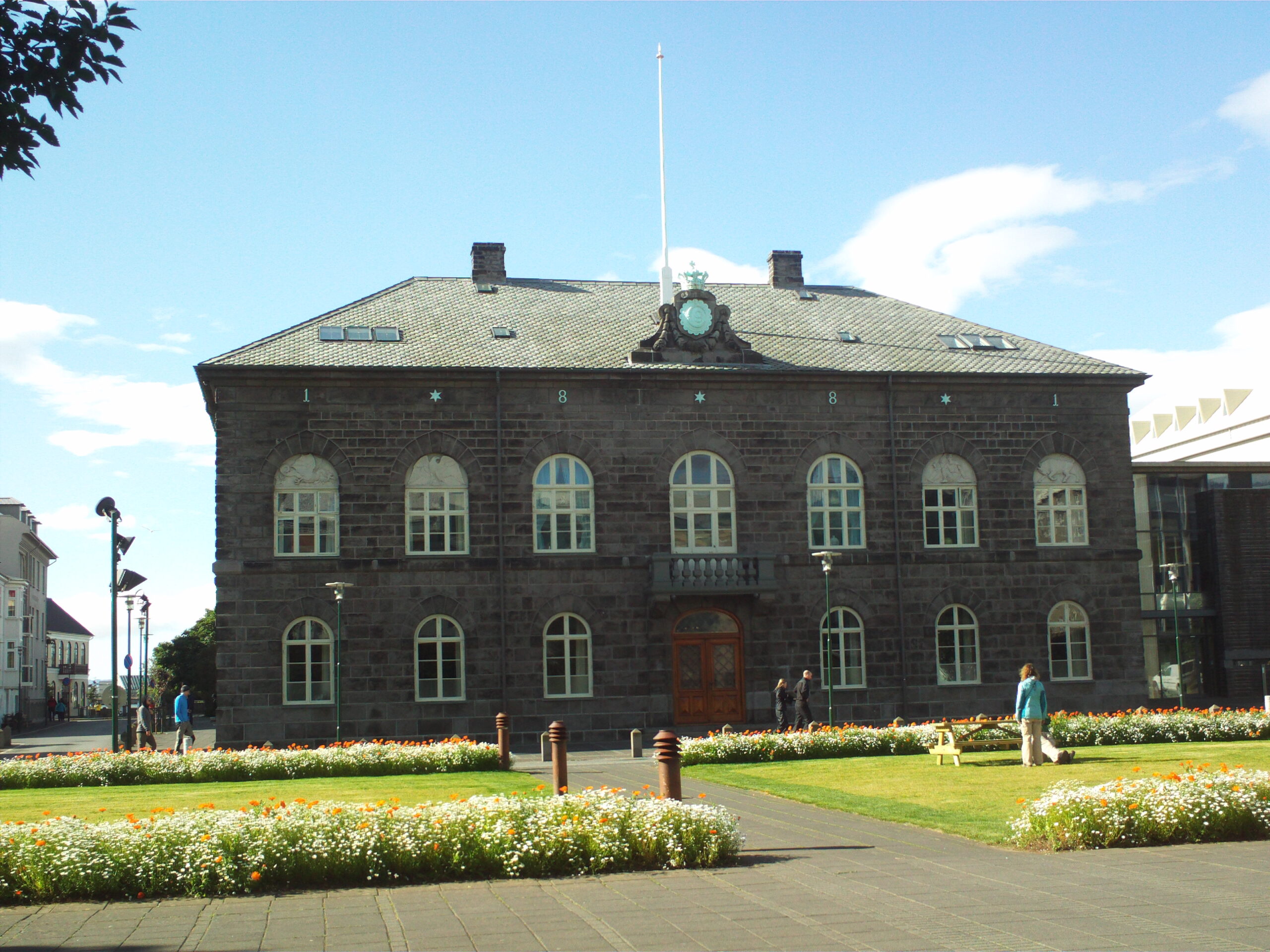
Icelanders voted 52.8 per cent to 47.2 per cent against reopening EU membership talks, on a turnout of 82.5 per cent. The government framed it as a security question. Voters answered a fishing question.