Category: Europe
-

Hungary’s new president takes office today, elected by parliament and running unopposed. What a president actually does in a parliamentary republic, which of the limited powers matter, and why an uncontested election is worth reading carefully.
-
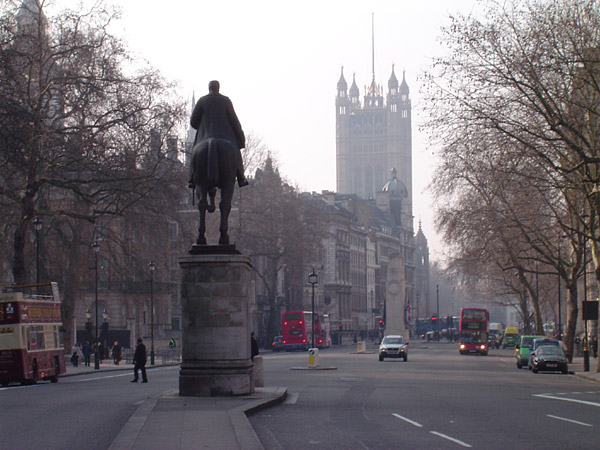
Russia has made new threats against the UK while continuing to strike Ukraine. Why Britain features so heavily in Russian rhetoric, three tests for reading a threat, and the part of the story that is not rhetorical.
-
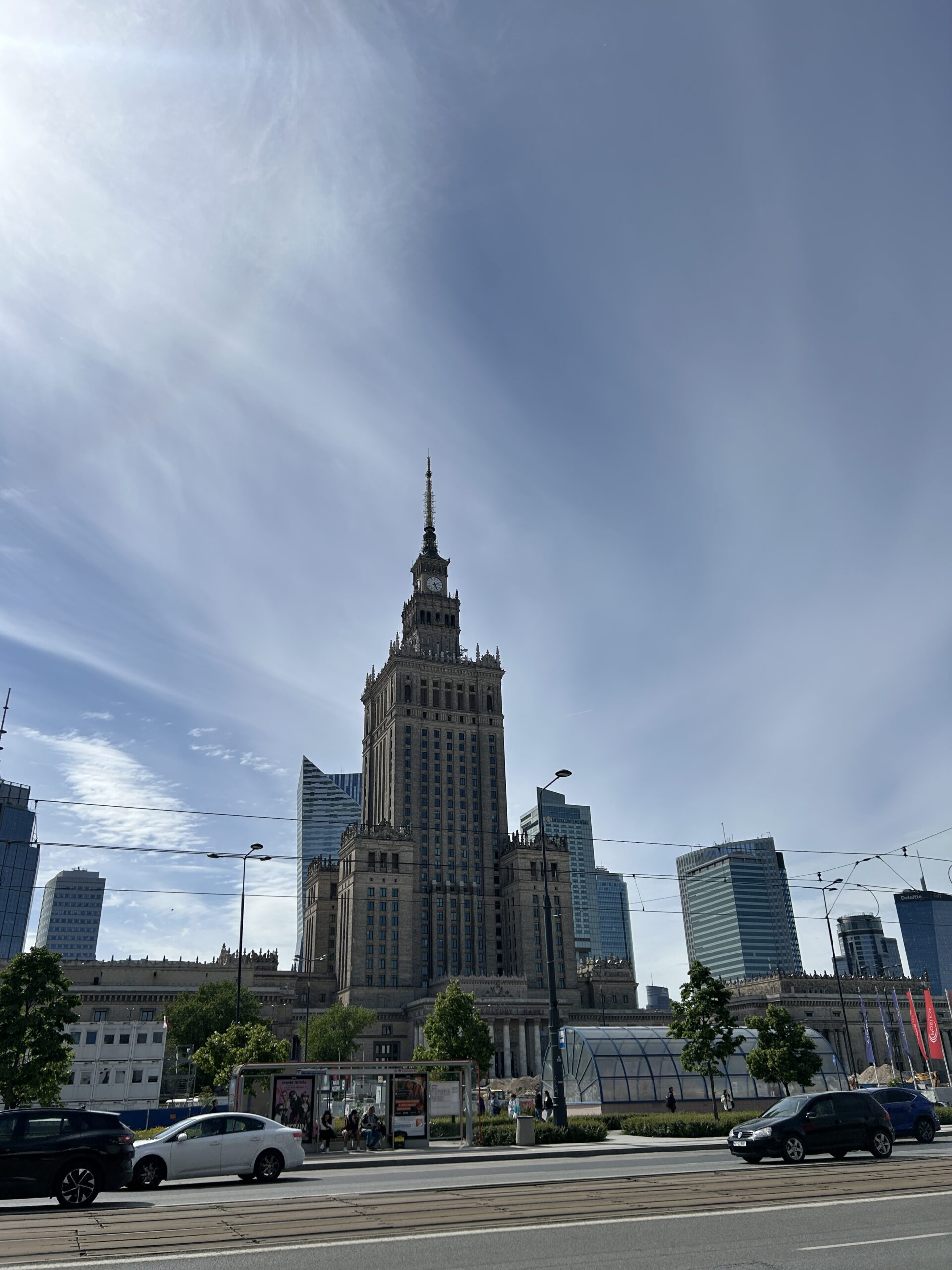
Poland is appealing a Brussels ruling ordering it to accept and pay for €1.3 billion of COVID vaccine doses it says it does not need. How advance purchase agreements work, why both sides have a real case, and what a better contract would have contained.
-
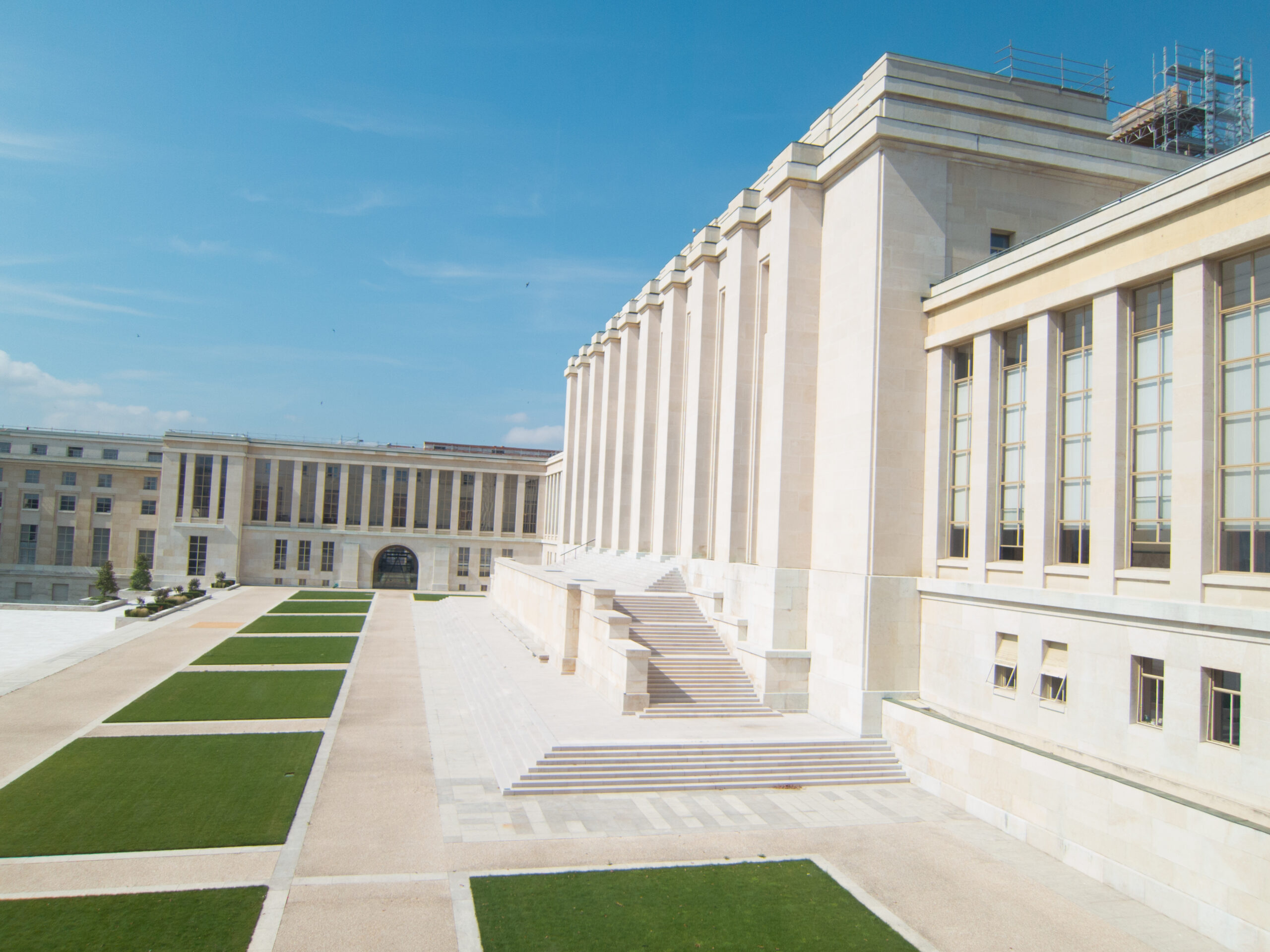
WHO’s vaccine advisory group holds an extraordinary three-hour session today. What SAGE is, why an unscheduled meeting is itself a signal, and the hard question that outbreak immunisation keeps returning to.
-
Russia has made new threats against the United Kingdom while continuing to strike Ukraine. Why Britain is singled out, what threats of this kind are actually for, and the short list of things that would show an escalation is material rather than rhetorical.
-

Russians are pulling billions out of their bank accounts, squeezing bank liquidity and the government bond issuance that funds the war. How deposits end up paying for a war, why the cause matters, and what the state can do about it.
-

Since 2 August the EU has been enforcing the AI Act, and new transparency rules now require chatbots to identify themselves and deepfakes to be labelled. What changed, how the law is built, and the two separate criticisms of it.
-

Cows are giving less milk, winter hay is being eaten in August, and one protected cheese cannot legally switch to the obvious substitute. How a dry summer works its way from a scorched pasture to a wheel of Tête de Moine — and what Bern has done about it.
-
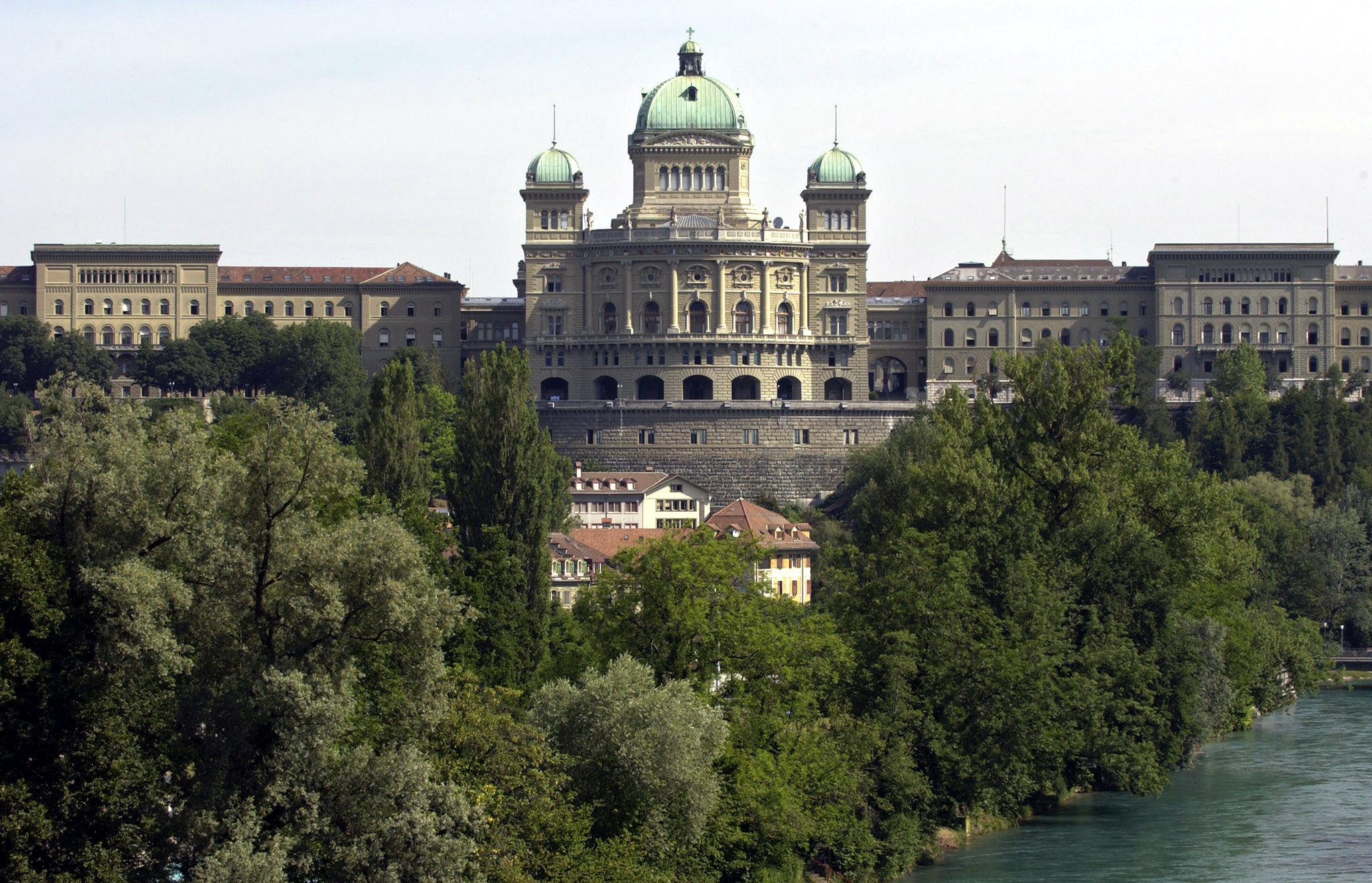
On 27 September Swiss voters decide whether to write a strict definition of neutrality into the constitution, barring sanctions and military alliances without a UN mandate. The government opposes it, one party backs it — and Russia has publicly endorsed a yes.
-

Sweden elects all 349 members of the Riksdag on 13 September, along with 21 regional and 290 municipal councils. How the system works, who the main contenders are, what the polls suggest — and why the polls are not the result.