Category: Americas
-
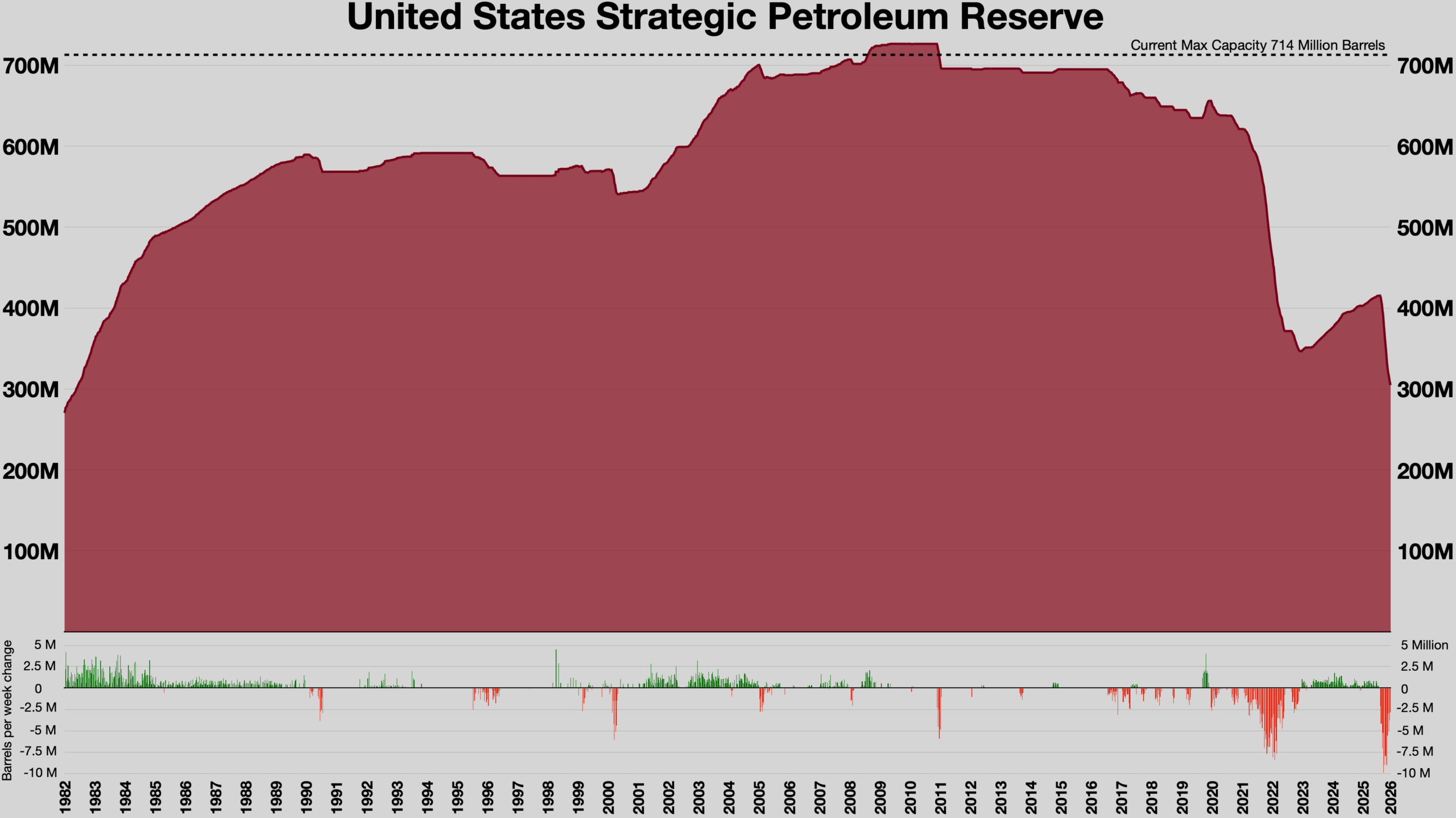
The US Strategic Petroleum Reserve has fallen below 300 million barrels, the lowest since 1983, while Hormuz disruption looks set to persist into next year. What the reserve is for, why the level is not the important number, and the argument about refilling it.
-

Indiana’s governor is seeking more federal relief after flooding that broke records set in 1913. The stalled front that caused it, what a “one-in-a-thousand-year” rainfall actually means, and why the declaration is only the start.
-

Washington and Ottawa struck a last-minute deal delaying 50% tariffs on about $20bn of Canadian imports. Why a postponement still costs something, why the figure is a targeted slice, and what integrated supply chains do to a tariff.
-

Indiana’s governor is asking for more federal help after historic flooding. How US disaster relief is actually triggered, why most flooded households have no insurance, and what a “hundred-year flood” does and does not mean.
-
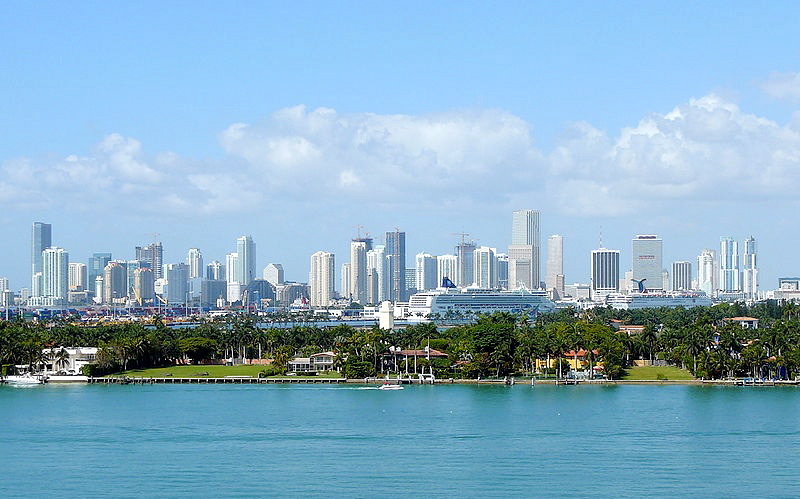
Byron Donalds won the Republican nomination for governor of Florida, succeeding a term-limited Ron DeSantis on the ballot. What a US primary actually decides, why a crowded field changes the maths, and three cautions for reading the results.
-

Byron Donalds won Florida’s Republican gubernatorial primary as several states voted on Tuesday. What a primary actually decides, why the voting rules change the result, and why primary outcomes are a poor guide to November.
-

Two phrases run through the Meta coverage without explanation: multidistrict litigation and bellwether trial. What they mean, how an MDL differs from a class action, and why a bellwether verdict decides less than it appears to.
-

US states accuse Meta of designing Facebook and Instagram to keep children hooked, in a trial that opened in Oakland. What is claimed, why the case gets around Section 230, Meta’s defence, and the two things worth watching.
-

A court is now being asked what a recommendation algorithm is optimising for. What a recommender actually does, why engagement became the target, and why that engineering choice — not the content — is what the lawyers are arguing about.
-
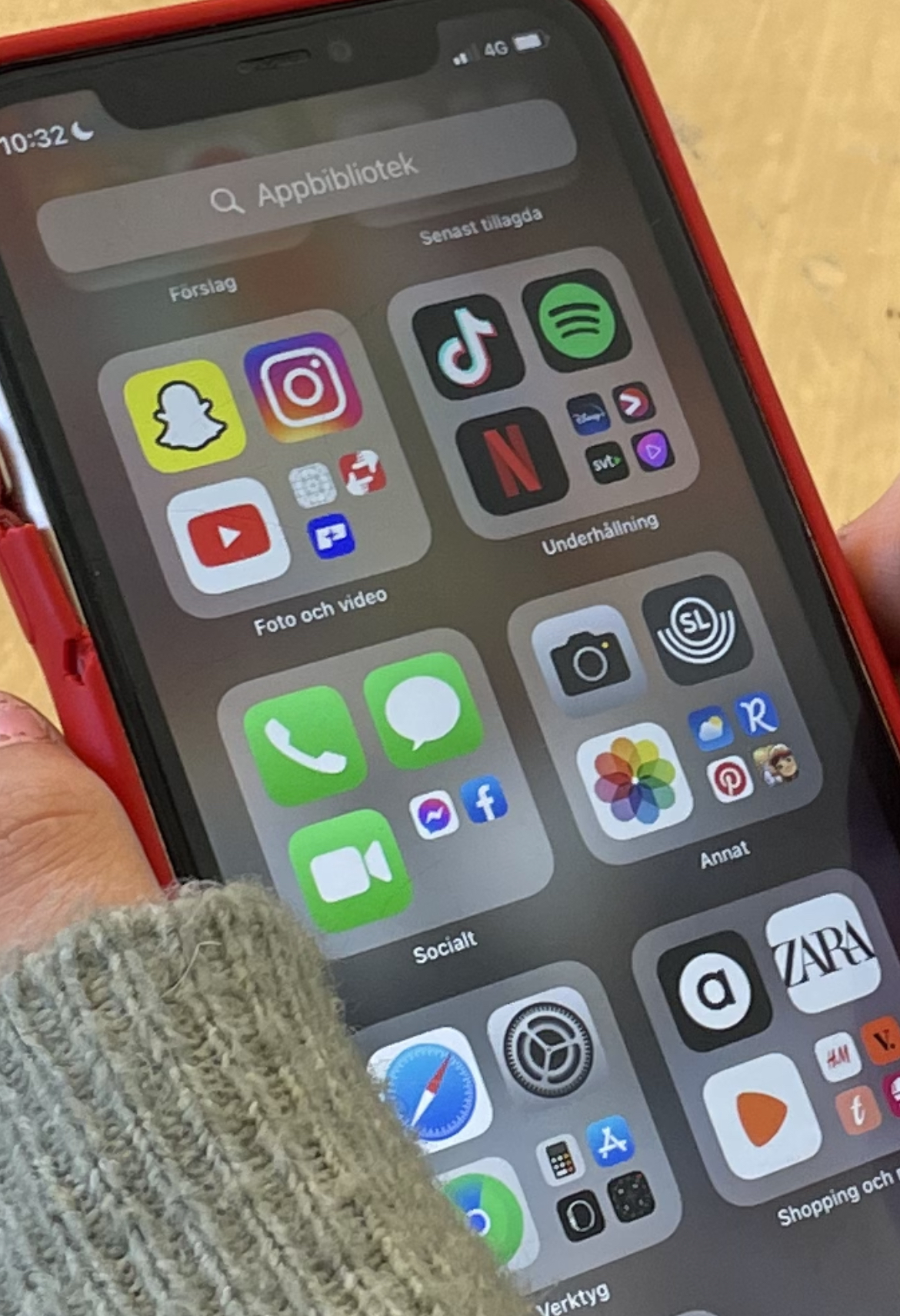
Twenty-nine states are suing Meta over claims Facebook and Instagram were designed to hook children. The trial turns on a single legal move — suing over product design rather than content — and that is why it could reshape the apps.