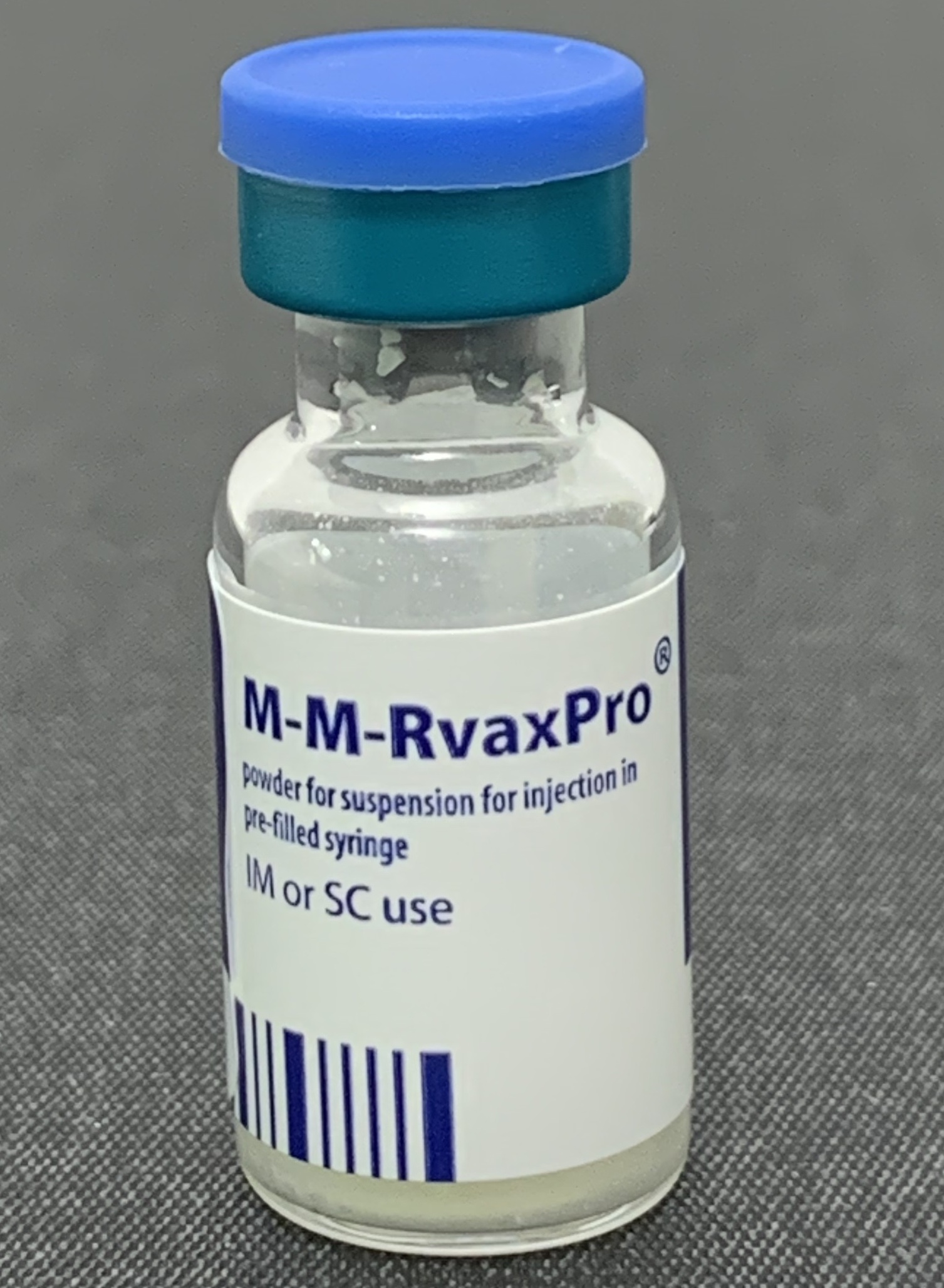
A US order recommending that childhood vaccinations be given at separate visits wherever feasible, and that the measles, mumps and rubella vaccine be divided, is back in effect after having been blocked earlier by a federal judge. The change is procedural rather than a withdrawal of any vaccine, and the disagreement about it is worth setting out accurately.
Advertisement — ad space reserved
What is actually changing
Nothing is being removed from the schedule. The recommendation concerns timing and combination: that where practical, vaccines be administered at separate appointments rather than together, and that MMR be given as separate components rather than as a single combined injection.
The reason the existing schedule bundles doses is not convenience for clinicians. It is coverage. Every additional visit is an additional opportunity for a child not to be brought back — because a parent cannot take more time off work, because transport is difficult, because the appointment is forgotten. Public health researchers have documented for decades that completion rates fall as the number of required visits rises, and that the effect is largest among families with the least flexibility.
The argument for the change
Those supporting it argue that spacing doses reduces the burden on a young immune system, makes it easier to identify which vaccine caused a reaction if one occurs, and responds to parental preferences that have gone unaccommodated — with the claim that meeting those preferences may keep hesitant parents inside the system rather than outside it.
The separate-components point has a specific history: single-antigen measles, mumps and rubella vaccines have been requested by some parents for years, and have generally not been available in the US market.
Advertisement — ad space reserved
The argument against
The major paediatric and infectious disease bodies have opposed the change, and their objections are specific rather than general.
On immune burden, they point out that the number of antigens in the entire modern childhood schedule is small compared with what a child encounters from ordinary daily exposure, and that combination vaccines have been studied extensively for interference between components.
On separating MMR, they argue that splitting it extends the period during which a child is unprotected against at least one of the three diseases, and that separate-antigen products are not currently manufactured at scale in the US — so a recommendation to use them may in practice mean delay rather than substitution.
And on coverage, they return to the visit-count problem: a recommendation that adds appointments will, on the evidence, lower completion, and lower completion against measles specifically has a rapid and measurable consequence. The US recorded thousands of measles cases this year, which we covered when explaining what “eliminated” actually means.
Where the disagreement really sits
Both sides are making empirical claims, which means the dispute is in principle resolvable — but they are claims about different things. One is about the safety of giving several vaccines at once. The other is about what happens to coverage when you ask families to come back more often. It is possible for spacing to be safe and for the recommendation still to reduce protection at population level, because the mechanism of harm would be missed appointments rather than the vaccines themselves.
That the order was blocked by a court and then reinstated is itself part of the story: this is being contested through litigation rather than settled through the advisory process that normally sets the schedule.
This article describes a policy dispute and is not medical advice. Decisions about a child’s vaccinations are best made with a doctor who knows the child’s history.
Sources
Advertisement — ad space reserved
Leave a Reply