Category: Americas
-
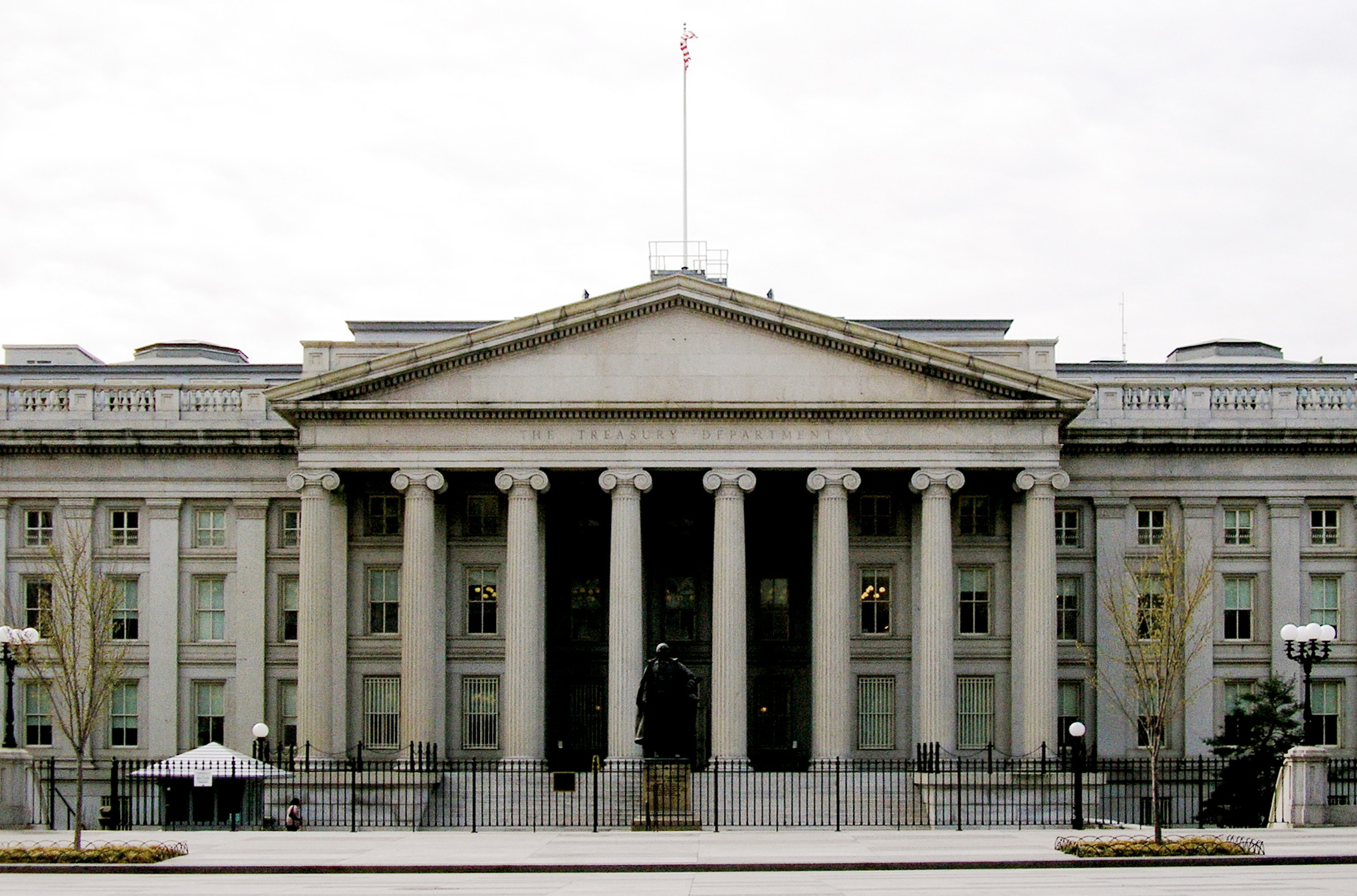
The US national debt has passed $40 trillion. What the figure counts, why debt and deficit are different things, which measures economists actually watch, and why nothing in particular happens at a round number.
-
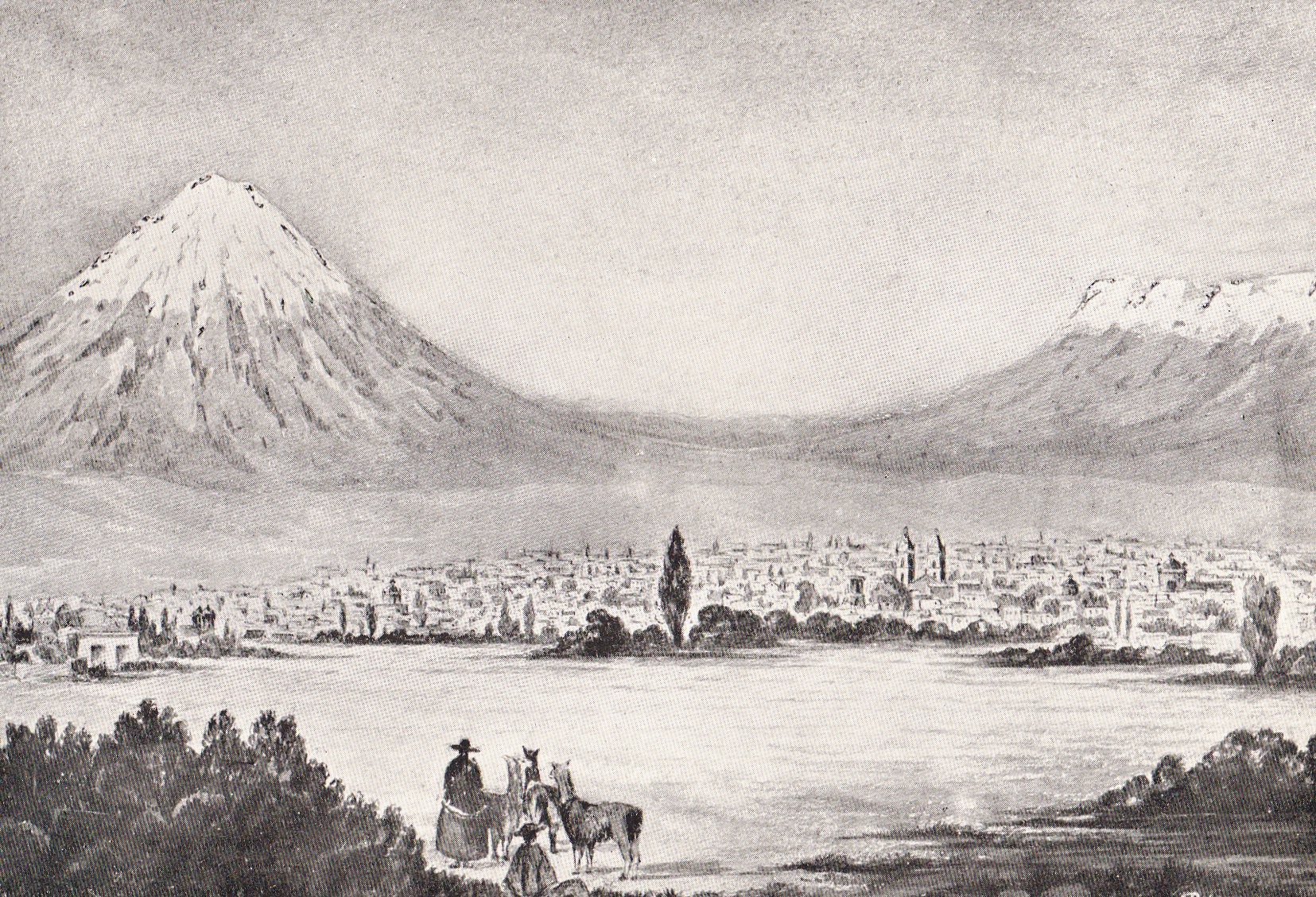
A strong earthquake hit southern Peru — magnitude 6.7 according to the USGS, 7.2 according to Peru’s Geophysical Institute. Why two agencies disagree, why the depth matters more than the magnitude, and why saturated ground makes it worse.
-
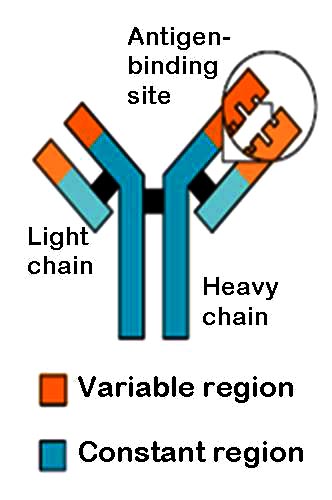
Researchers report a way to shrink antibodies into molecules that can work inside cells — where many disease-causing proteins sit out of reach. Why that wall matters, why Alzheimer’s is named, and the four obstacles between this and a treatment.
-

Funding is being pulled from NOAA’s Arctic Report Card, published annually since 2006. What the report actually is, who relies on it besides scientists, and why breaking a twenty-year series is a different kind of loss from ending one.
-

The operator of the boat that capsized near the Statue of Liberty faces thirteen counts of reckless endangerment. Why the count matches people at risk rather than people harmed, what “reckless” means in law, and the pattern behind small-boat disasters.
-

An analysis of 23,000 chatbot conversations found about half were not about work — which most of the public argument about this technology fails to account for. What the number supports, what it cannot show, and why text detection is getting harder.
-
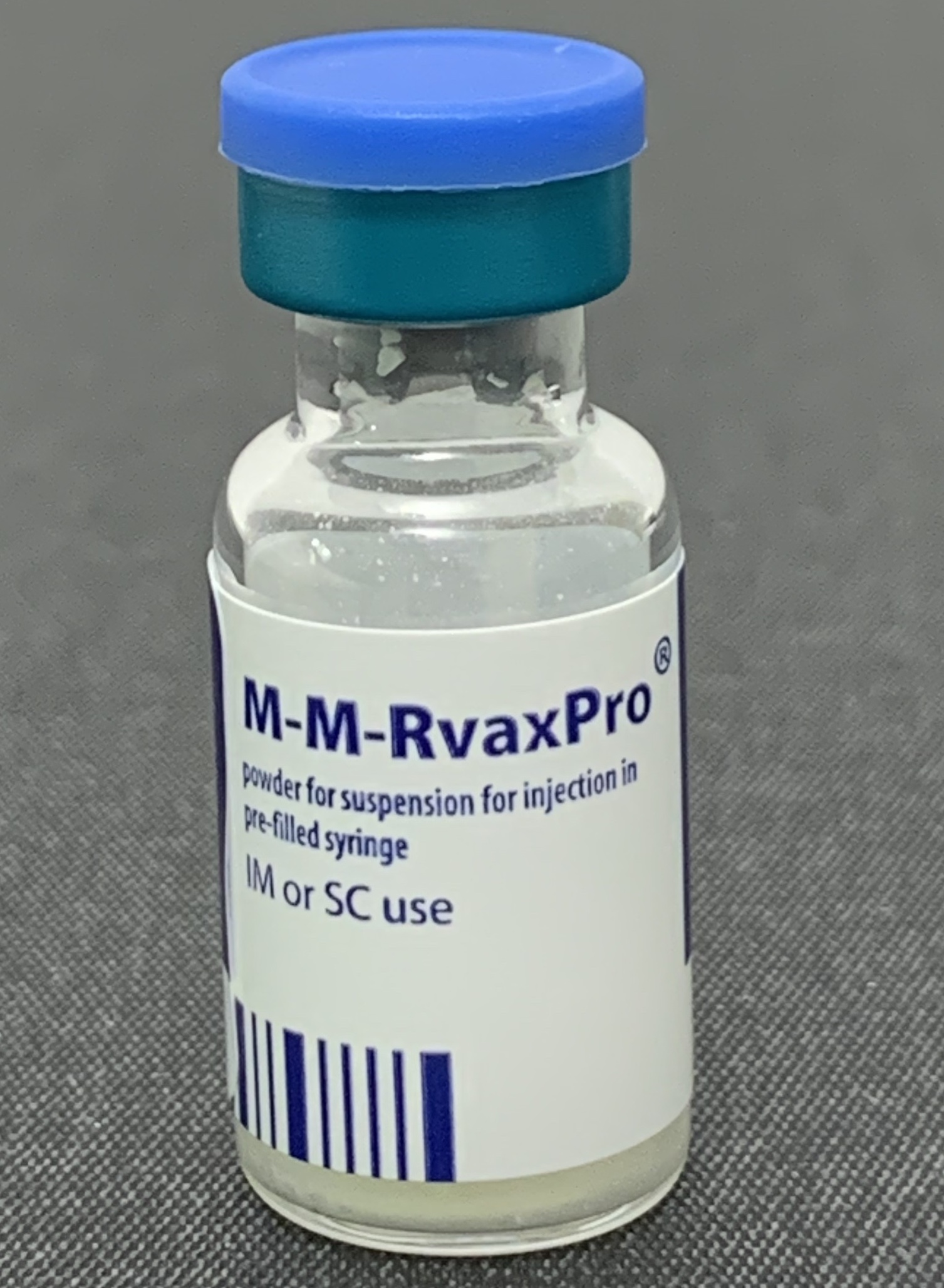
A US order recommends giving childhood vaccinations at separate visits and splitting the MMR vaccine. What is actually changing, the arguments on both sides, and why safety and coverage are two different questions.
-
Trump has paused new 50 per cent tariffs on Canadian goods for three days. Why a 50 per cent tariff is a different kind of instrument from a 12 per cent one, what a three-day pause is actually for, and why integrated supply chains make Canada a peculiar target.
-
A contested measure on state farm-animal housing laws was left out of the US Farm Bill after the Senate Agriculture Committee did not pass it. What the fight is really about, the case on each side, and the enforcement question underneath it.
-
A federal appeals court has kept in place an injunction barring immigration enforcement at houses of worship, finding a likely violation of the Religious Freedom Restoration Act. Why the claim belongs to the congregations, not the people being arrested.