Category: Africa
-
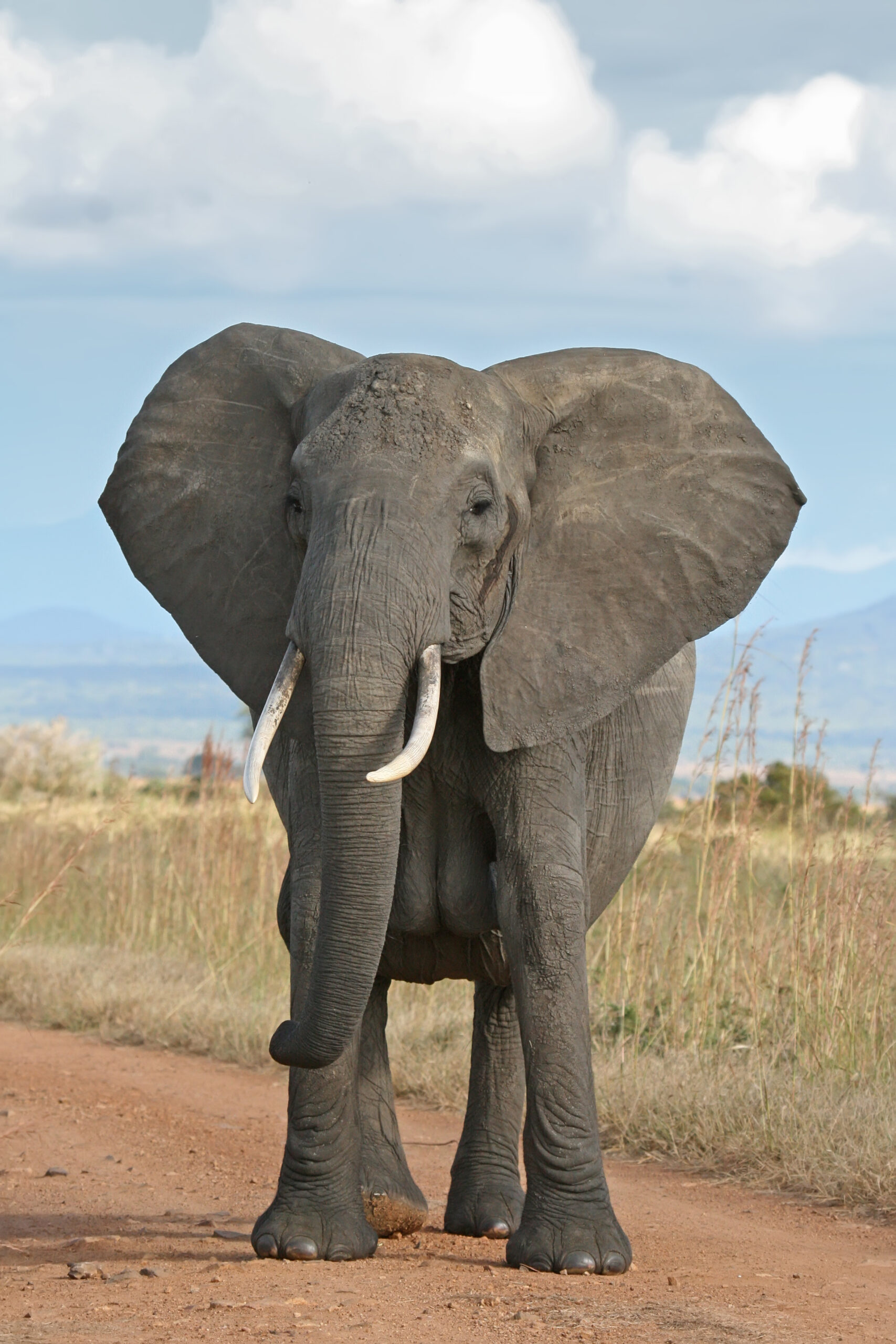
Twenty elephants have died since June in southern Kenya. Early tests suggested cyanide from pesticides, but wildlife experts say the evidence does not fit the symptoms. Why the number is large, what the herd loses beyond individuals, and the conflict underneath.
-
Eight RSF attacks across El Obeid killed two people — a small entry in Sudan’s war, and a large one for a city people had already fled to. Why junction cities are targeted, what repeat displacement costs, and why these days go unreported.
-
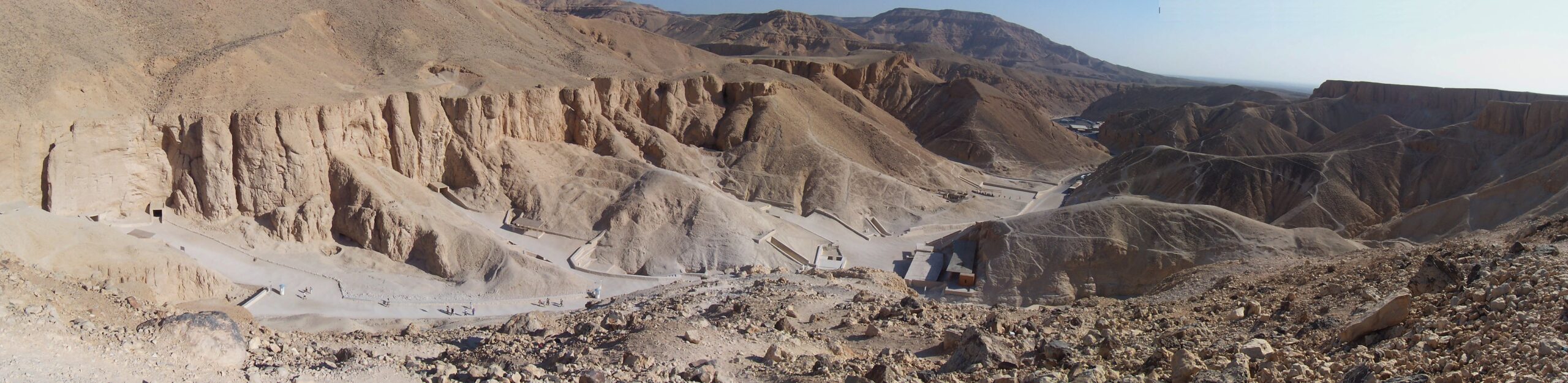
A total eclipse lasting over six minutes will cross Luxor and the Valley of the Kings in 2027. Why six minutes is close to the physical maximum, why the location matters as much as the duration, and the eye-safety warning worth hearing early.
-

The Bundibugyo outbreak is now the deadliest Ebola epidemic in DR Congo’s history — in the country where Ebola was first identified. Why the vaccines that ended the last epidemic do not apply to this one.
-
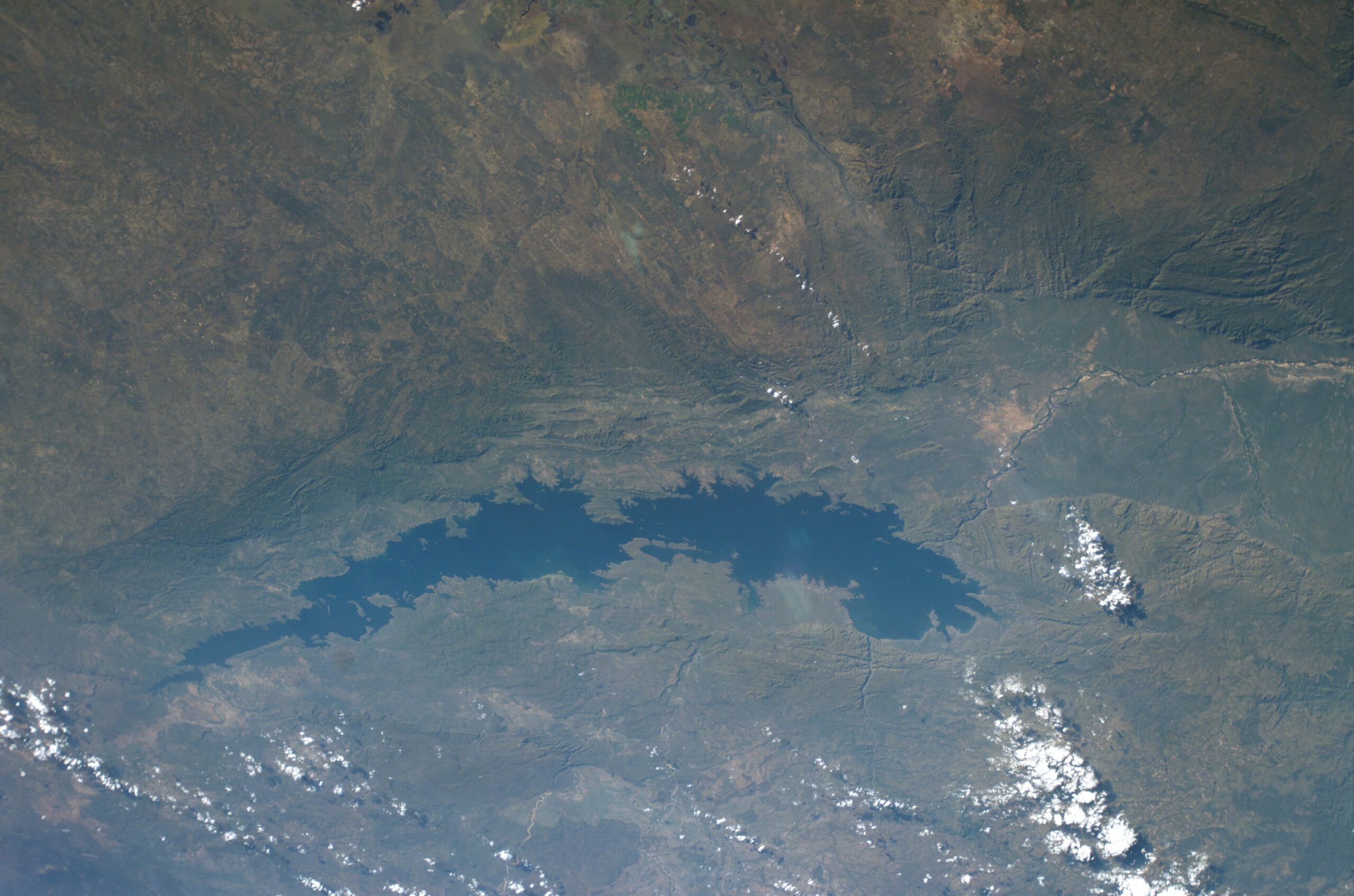
More than ninety people died when the ferry Mbuya Nehanda capsized on Lake Kariba — the deadliest boat disaster in Zimbabwe’s history. The sequence that sank it, why children were not on the passenger count, and why the boat was full.
-
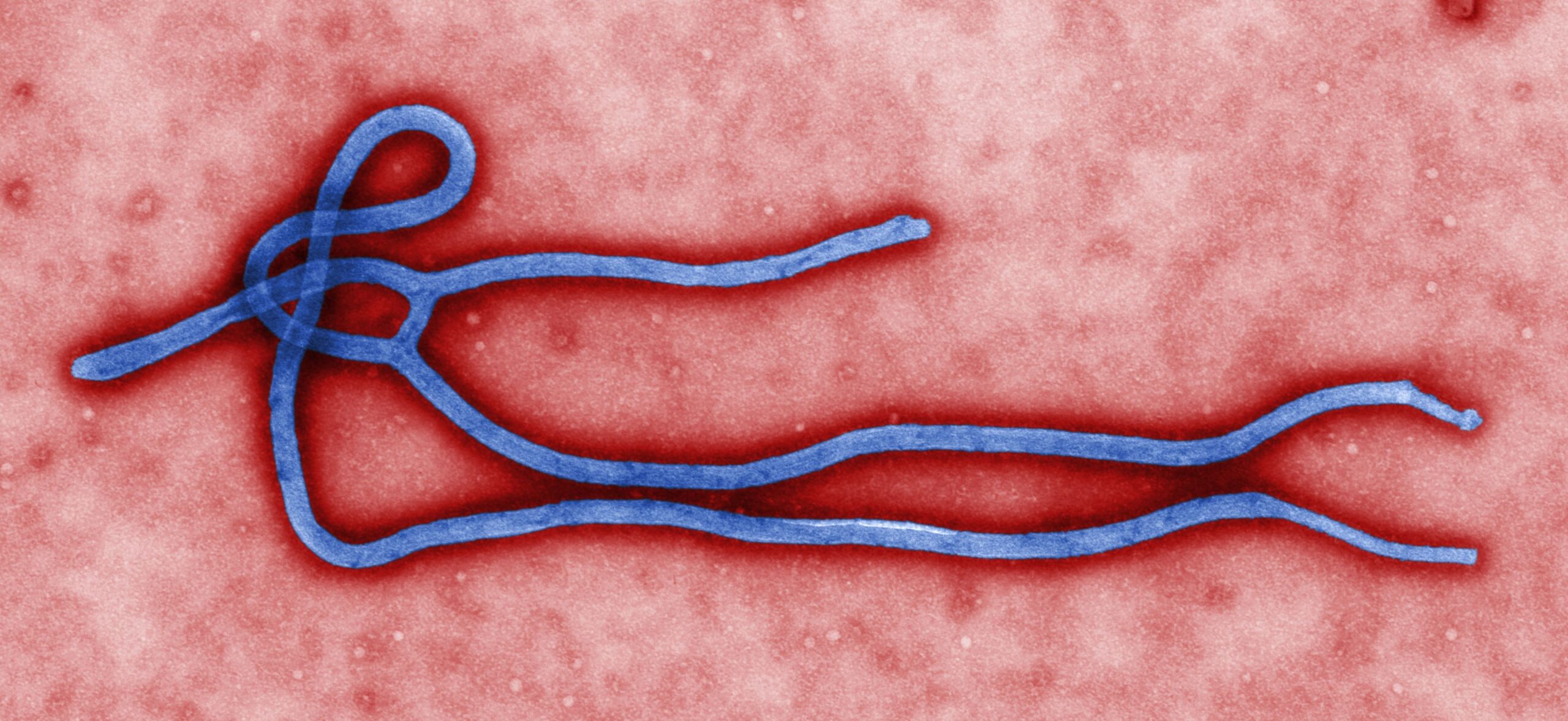
The DRC has reported 4,945 confirmed Bundibugyo Ebola cases and 2,325 deaths. The one percentage that predicts what happens next, why no vaccine applies to this species, and how to read a case fatality figure mid-outbreak.
-
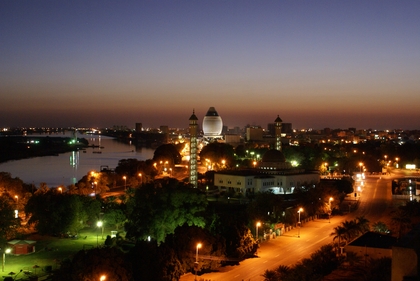
Fifteen million Sudanese have been driven from their homes since April 2023 — the largest displacement crisis in the world. Almost four million have crossed borders; a third of those inside have gone home to ruined houses. Coverage remains thin.
-

Morocco has added barbed wire and police near Spain’s Ceuta enclave after online calls for a mass crossing. The fences are Spanish, but the approach to them is Moroccan — and that has been leverage before.
-
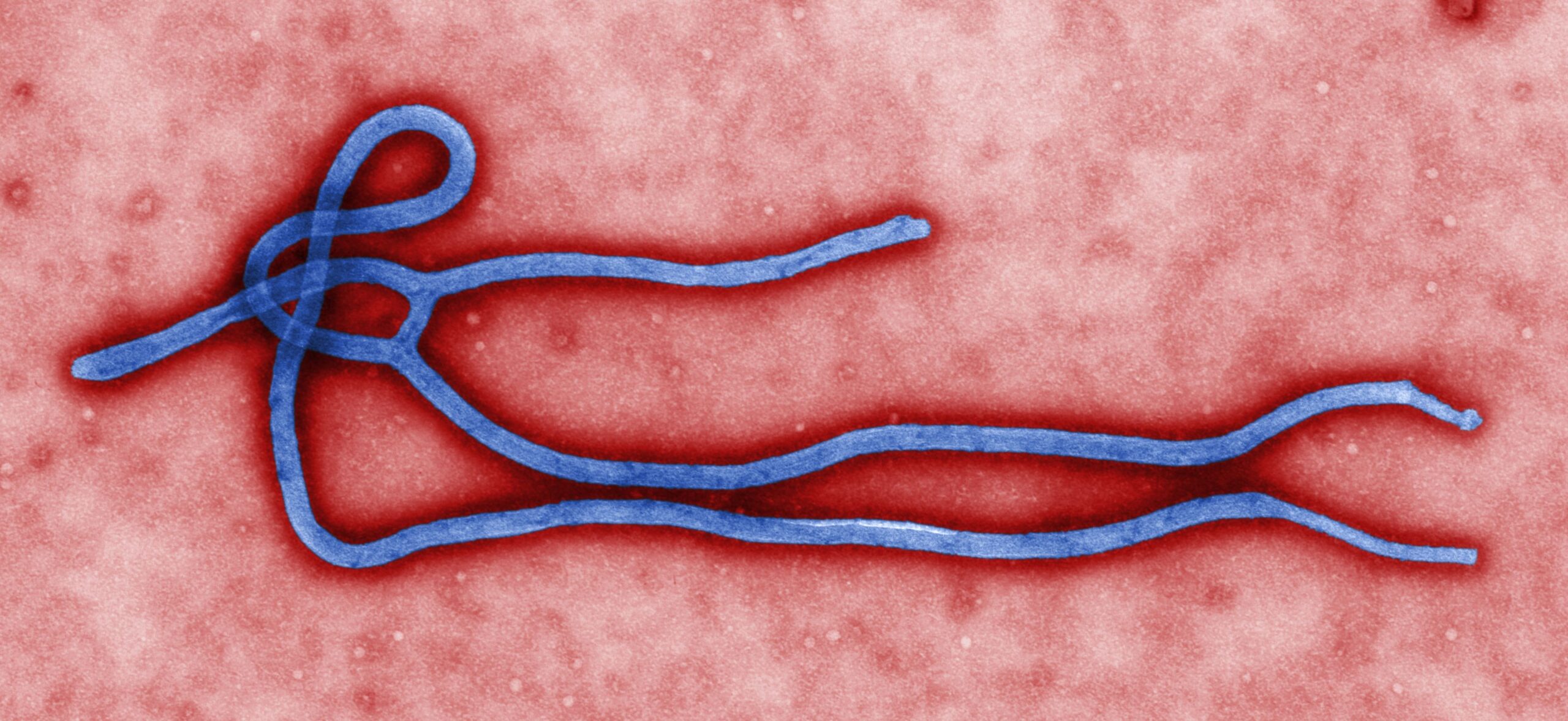
Nurses and contact tracers at the centre of Congo’s Ebola outbreak walked out in Bunia demanding wages unpaid since the epidemic was declared in May. The failure isn’t medical — it’s that the money never reached the people doing the work.
-
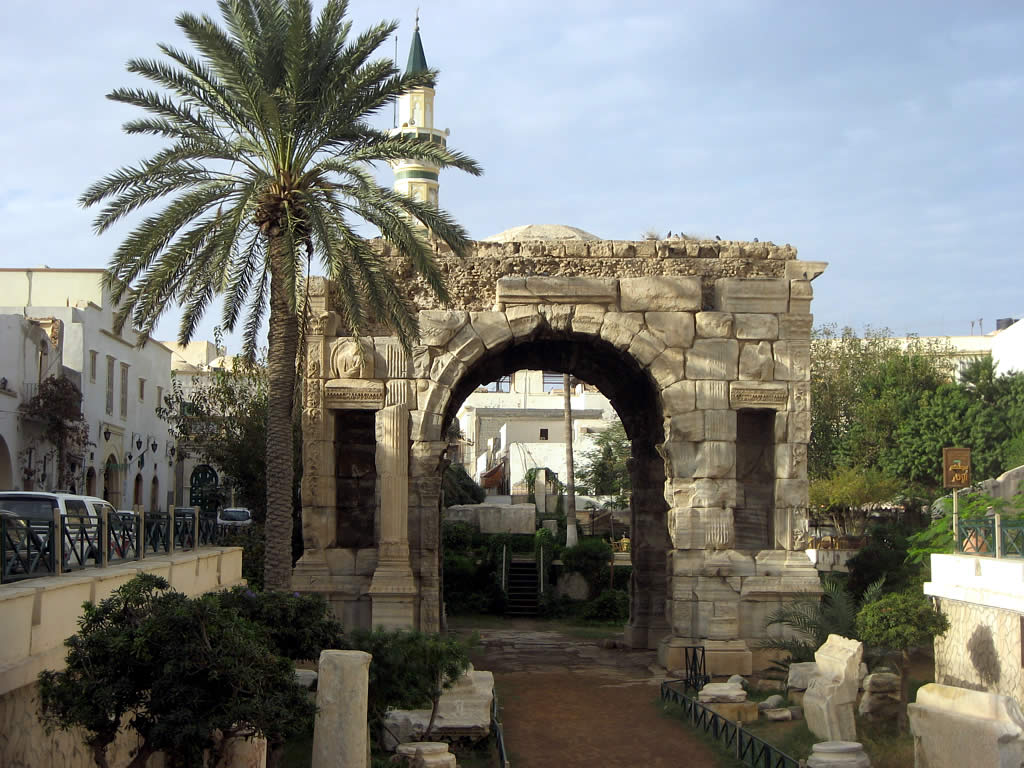
Zawiya, home to Libya’s largest operating refinery, an export terminal and a power plant, has been hit repeatedly since 9 August. Engineers have been withdrawn twice, and the national oil company has warned it may declare force majeure.