Category: Humanitarian
-

Settlers besieged three homes in Qusra on 9 August. Three weeks on, the Israeli army has installed metal gates at Ras al-Ain — pushing the settlers back 150 metres and replacing them with checkpoints.
-

Canada’s Temporary Foreign Worker Programme ties a worker’s immigration status to one employer. Amnesty made 32 recommendations; the closed permit remains. A minister once visited and saw nothing wrong.
-

A medical group says SPLM-N fighters killed 27 people, four of them children, in Otoro villages in South Kordofan. The movement built on Nuba self-determination is now killing Nuba civilians, and almost nobody is reporting it.
-

Incidents in north-west Nigeria rose 78 per cent in the first half of 2026 and kidnappings nationwide doubled. The word “banditry” is doing a lot of work, and it is part of why nobody covers this.
-

Yemen, Somalia and Afghanistan are reporting the same thing: more severely malnourished children, arriving later. A funding cut never says “treat fewer children” — it removes the layer that finds them early.
-

Agencies say 17,000 children are affected by the 26 August flash floods in Rasuwa, Nuwakot and Dhading, with around 332 dead. That figure and the one we published yesterday are both current — here is why they differ.
-

Thirteen of more than fifty people taken at Kenscoff were released. The figures underneath the incident — 1.47 million displaced, thirty documented cases of gender-based violence a day — are the story.
-

MSF screened 21,000 children in Baidoa and found acute malnutrition around 50 per cent among the displaced. The number that matters more is the readmission rate: over 60 per cent.
-

MSF admitted 1,296 severely malnourished children with complications at one hospital in northern Yemen in six months, against 798 a year earlier. The rise is sharper than the lean season alone explains.
-
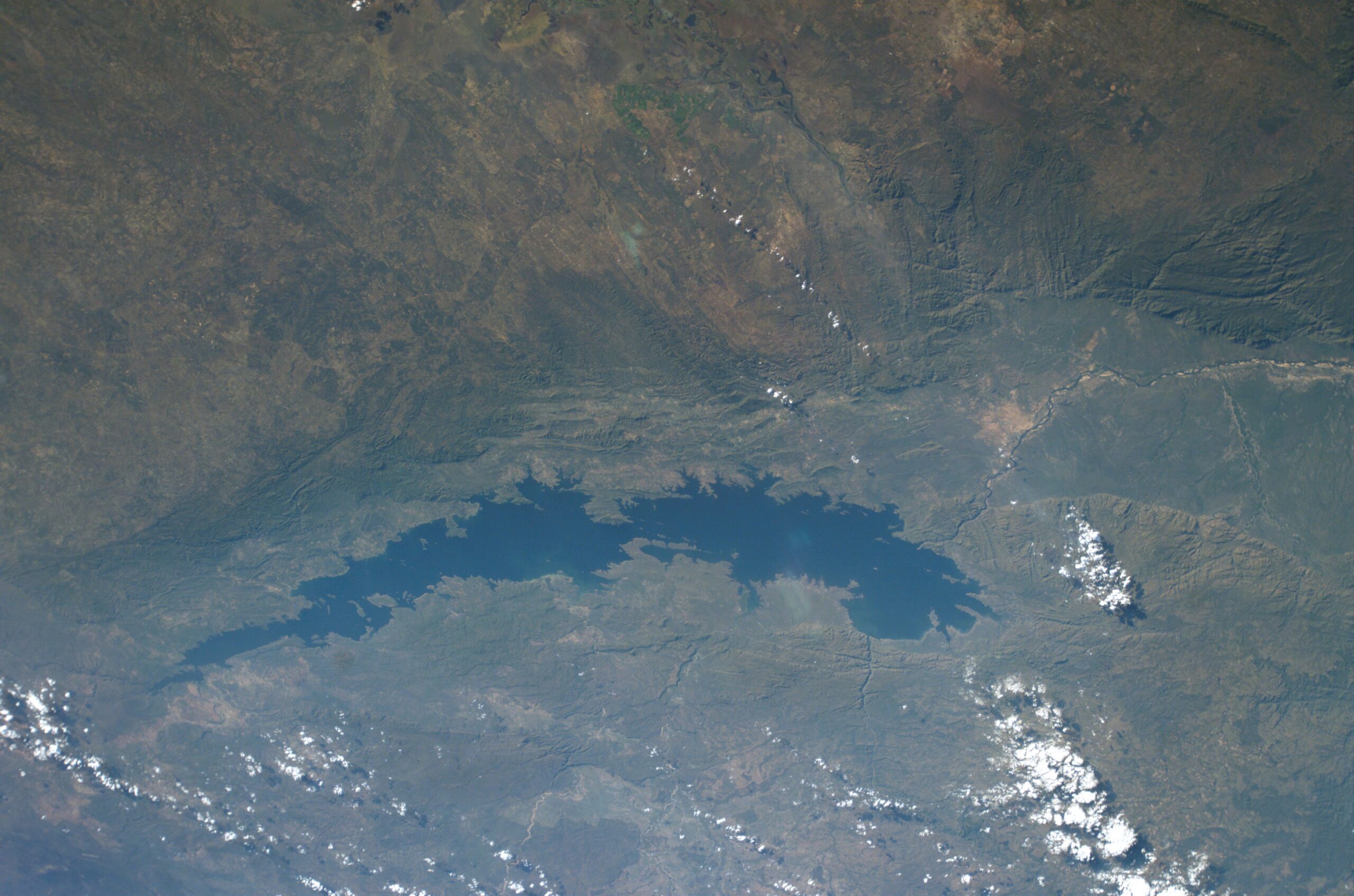
Ninety-seven people drowned on Lake Kariba this month — the worst boat disaster in Zimbabwe’s history. The world read the figure 15, because that was the number when the story was still news.