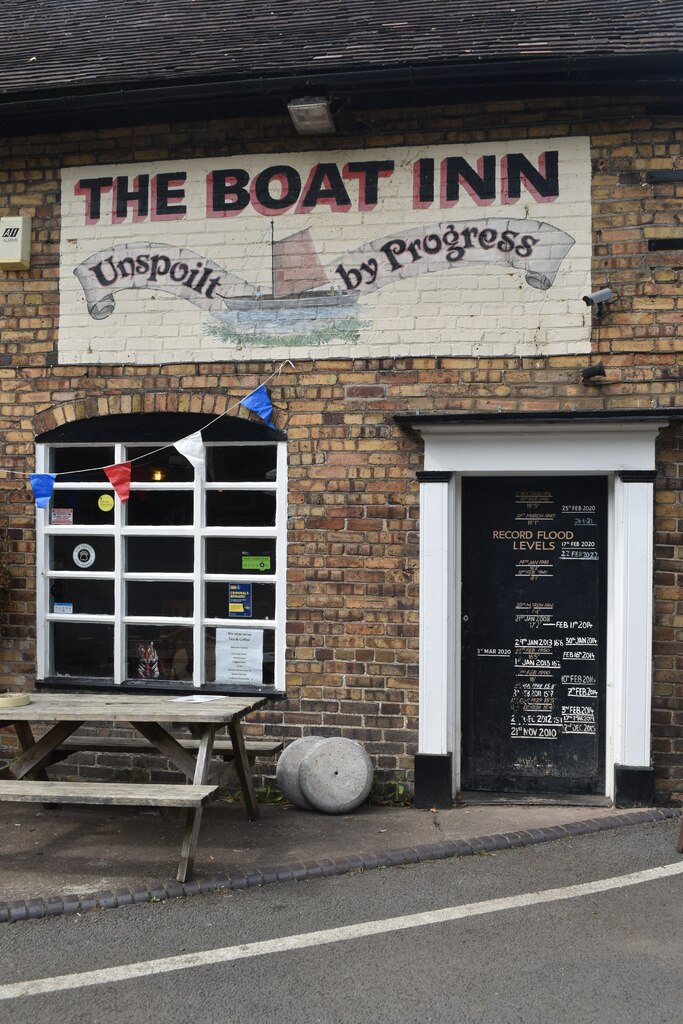
The claim: a “hundred-year flood” is a flood that happens once every hundred years. If one has just occurred, the area is safe for a long while.
The verdict: false, and the misunderstanding has consequences. The term describes a probability, not a schedule.
Advertisement — ad space reserved
What the term actually means
A hundred-year flood is a water level with a one per cent chance of being reached or exceeded in any given year. That is the whole definition. Hydrologists increasingly prefer the phrase “one per cent annual exceedance probability” precisely because the older wording misleads almost everyone who hears it.
Two consequences follow immediately. A hundred-year flood can occur in consecutive years — nothing prevents it, any more than rolling a six prevents rolling another. And over a thirty-year mortgage, the cumulative chance of experiencing at least one is roughly 26 per cent, not one in a hundred. That is the number that matters to a householder, and it is not the number the name suggests.
Where the probability comes from
These figures are not theoretical. They are calculated from records at stream gauges — instruments that measure river height, in some cases for over a century. Statisticians fit a distribution to the observed annual peaks and read the one-per-cent level off it.
That method carries three well-recognised limitations, none of which is a secret and all of which are routinely omitted from news coverage.
- Short records. Estimating a one-in-a-hundred event from fifty years of data involves extrapolation, and the uncertainty around the estimate is substantial.
- A changing catchment. Paving over a floodplain, straightening a river or draining wetland changes how water behaves regardless of rainfall. The past record describes a landscape that may no longer exist.
- A changing climate. Where the distribution of extreme rainfall has shifted, a curve fitted to historical data will understate current risk. How much, and where, is an active research question rather than a settled figure.
Advertisement — ad space reserved
Why the misunderstanding is expensive
This is not a pedantic point about wording. Flood maps drawn on the one-per-cent line determine who is required to carry flood insurance and what may be built where. A homeowner who believes the label means “once a century” will reasonably conclude that insurance is a poor purchase, and that reasoning is wrong in a way that shows up only after the water arrives.
It also shapes how people read the news. When a place floods twice in a decade, “two hundred-year floods in ten years” is presented as proof that something extraordinary has happened. It might be. It is also entirely compatible with the statistics as defined. Distinguishing the two requires the actual data, not the label.
We ran into exactly this in reporting on Indiana’s request for federal flood relief, where the insurance question and the mapping question turn out to be the same question.
What to do with a flood figure
Three questions make any flood claim easier to read. What is the annual probability, stated as a percentage rather than a return period? Over what period of record was it calculated? And has the catchment or the rainfall pattern changed since?
A source that can answer all three is telling you something. One that only offers “hundred-year flood” is repeating a phrase that has misled people for as long as it has been in use.
Sources
- Flood stage and gauge-based measurement of river levels
- High water marks and their use in flood planning
Advertisement — ad space reserved
Leave a Reply