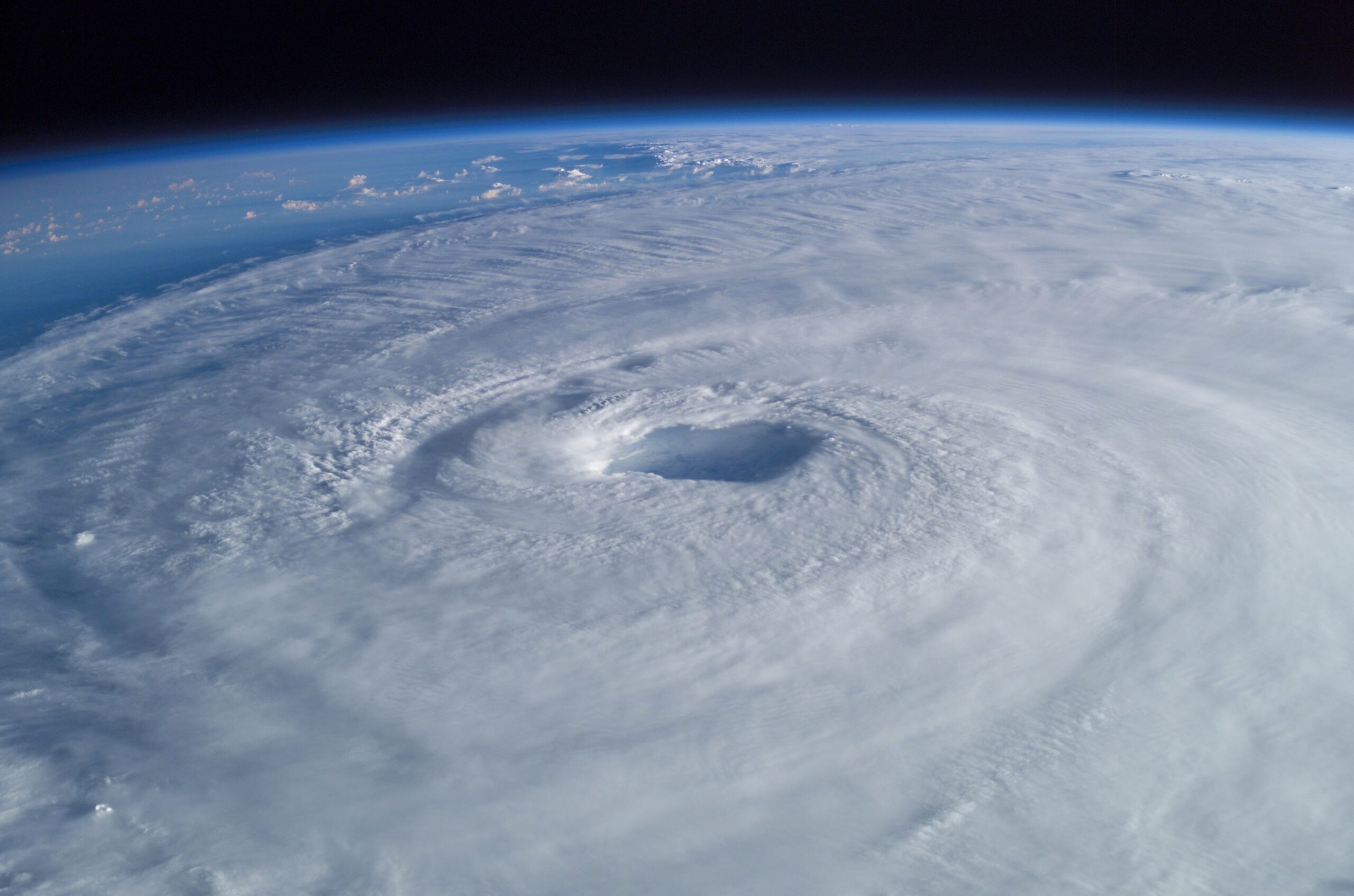
The claim: a storm’s category tells you how dangerous it is. A Category 1 is survivable; a Category 4 is the one to evacuate for.
The verdict: misleading. The scale measures one thing only — sustained wind speed — and wind is not what kills most people in tropical cyclones.
Advertisement — ad space reserved
What the scale actually measures
The Saffir-Simpson scale assigns categories one to five based on maximum sustained wind speed. That is its entire content.
It does not incorporate rainfall. It does not incorporate storm surge. It does not incorporate the size of the storm, its forward speed, or how saturated the ground already is where it is heading. A slow, wet, sprawling Category 1 can be far deadlier than a compact, fast-moving Category 3.
Forecasters have made this point repeatedly and have adjusted their public messaging to lead with water rather than wind, precisely because the category is what the public remembers.
What the evidence shows
Analyses of tropical cyclone fatalities consistently find that the large majority are caused by water — storm surge and freshwater flooding — rather than by wind. Drowning dominates.
The recent Hawaii case illustrates it neatly. Lala weakened from hurricane to tropical storm and did not make landfall directly, which by category logic should have made it a minor event. The governor said flooding proved more destructive than the wind; more than thirty inches of rain fell in the Big Island’s mountains, around a hundred homes were swept off their foundations, and the single confirmed death was a 90-year-old woman found after flooding.
The same pattern appears in the Philippines this month, where the deaths were attributed to landslides, rockslides, fallen trees, electrocution and drowning — as we set out in our report on the monsoon flooding.
Advertisement — ad space reserved
Why the misconception is dangerous rather than merely wrong
Evacuation decisions are made by households, and households make them partly on the category they heard on the news.
A downgrade from hurricane to tropical storm is widely read as an all-clear. It is nothing of the sort: a weakening storm often slows down, and a slower storm dumps more rain over the same place. Some of the deadliest rainfall events on record came from systems that had already been downgraded.
The second failure is geographic. People outside the projected track conclude the danger has passed them, when inland flooding and landslides routinely kill well away from where the centre crossed the coast.
What to look at instead
Four things carry more information than the category. Forecast rainfall totals for your specific location. Storm surge forecasts if you are near a coast. The storm’s forward speed, because slow is worse. And whether the ground where you are has already been soaked in preceding weeks.
Official warnings increasingly lead with those. The category persists because it is a single memorable number — which is the same reason the “hundred-year flood” persists, a case we examined in an earlier fact check. A real statistic, described in a way that invites exactly the wrong inference.
Sources
- weather.com — Hurricane Lala impacts, rainfall totals and the governor’s assessment
- CNN — flooding damage and the confirmed fatality in Hawaii
Advertisement — ad space reserved
Leave a Reply