Category: Economy
-

Cows are giving less milk, winter hay is being eaten in August, and one protected cheese cannot legally switch to the obvious substitute. How a dry summer works its way from a scorched pasture to a wheel of Tête de Moine — and what Bern has done about it.
-

Norwegian goods entering the United States now carry an extra 12.5 per cent duty, while most EU goods face 10 per cent. The reason given is forced labour rules — but the gap says more about who has a trade agreement with Washington and who does not.
-

Houthi strikes killed at least eleven in the Yemeni port city of Mokha on Sunday, and an earlier drone salvo hit a Saudi refinery. Both targets are messages to the new Saudi-led maritime coalition.
-
The tanker behind the Arabian Sea spill has been named as the Caroline Bezengi, with twelve kilometres of coastline now affected. Naming a ship is what makes compensation possible — in principle.
-

Iran says talks with Oman on Hormuz shipping continue, but reopening depends on Washington honouring the June memorandum. Beneath the sovereignty language sits a question about tolls that affects every strait in the world.
-
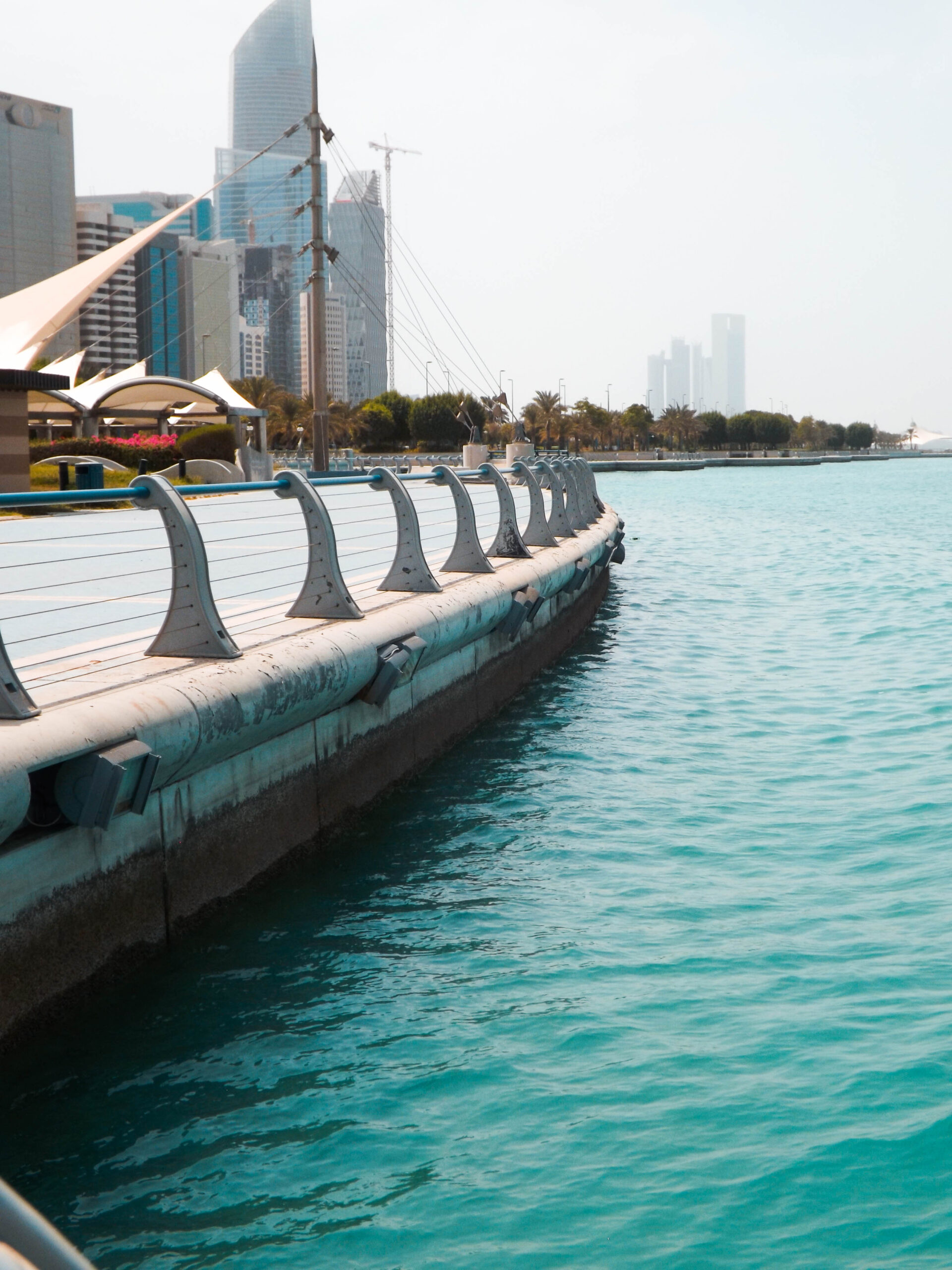
The UAE says Iran has attacked a third ADNOC vessel in under a week in the Strait of Hormuz. Abu Dhabi’s response asserts a right, signals resolve, and commits to diplomacy — without naming a consequence.
-
Ukraine struck NOVATEK facilities at the Baltic export hub of Ust-Luga on 14 August, the latest in a campaign against the refineries and terminals that finance Russia’s war. Why export chokepoints are the chosen target.
-

Thirteen countries have joined a Saudi-led maritime coalition to protect the Red Sea and Bab al-Mandeb from Houthi attacks. The US, Europe and the UAE are all absent — and two Western naval missions are already there.
-
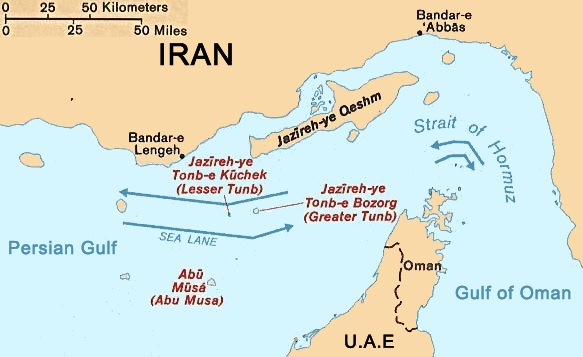
Trump says the US has total control of the Strait of Hormuz. Iran’s Revolutionary Guard says no vessel passes without its permission. Fourteen ships crossed on Tuesday, against about 120 a day before the war.
-

A cargo of 42,000 tonnes of gasoline from an Indian refinery part-owned by Rosneft reached a Russian port on 5 August, routed through a ship-to-ship transfer off Egypt. It is the clearest sign yet of how far Ukrainian strikes have cut into Russian refining.